




By Antonio Herrera, Senior Business Supervisor, Portescap
Surgical robotics has entered its most speedy period of design evolution, pushed by calls for for smaller type elements, better precision, and more and more clever management techniques. What was as soon as outlined by a couple of giant multi‑port platforms has expanded into a various ecosystem of extremely specialised, process‑particular applied sciences — every pushing new technical necessities onto the movement techniques at their core.
For OEMs, this accelerating complexity raises a sharper query: how to engineer platforms that ship uncompromising efficiency, reliability, and scalability whereas staying inside the restricted envelopes and financial constraints of contemporary surgical environments?
4 key tendencies are presently making that query tougher to reply — and are reshaping how movement structure should be engineered.
Minimally invasive surgical procedure retains elevating the bar
The medical case for minimally invasive surgical procedure is effectively established: smaller incisions, sooner restoration instances, and decrease danger. What receives far much less consideration are the engineering challenges behind bettering the robotic techniques themselves.
Smaller incisions imply tighter anatomical entry. Tighter entry means smaller devices. Smaller devices imply much less room for the movement elements inside them — and no discount within the efficiency these elements should ship.
In apply, this interprets right into a relentless demand for greater energy density and extra strong designs. Excessive‑pace motors for surgical hand instruments could run at speeds approaching 100,000 RPM, whereas sterilizable platforms constructed to endure 1,000 autoclave cycles are actually thought-about commonplace. Premium techniques are anticipated to outlive 2,500 cycles with out efficiency degradation.
AI integration calls for predictability
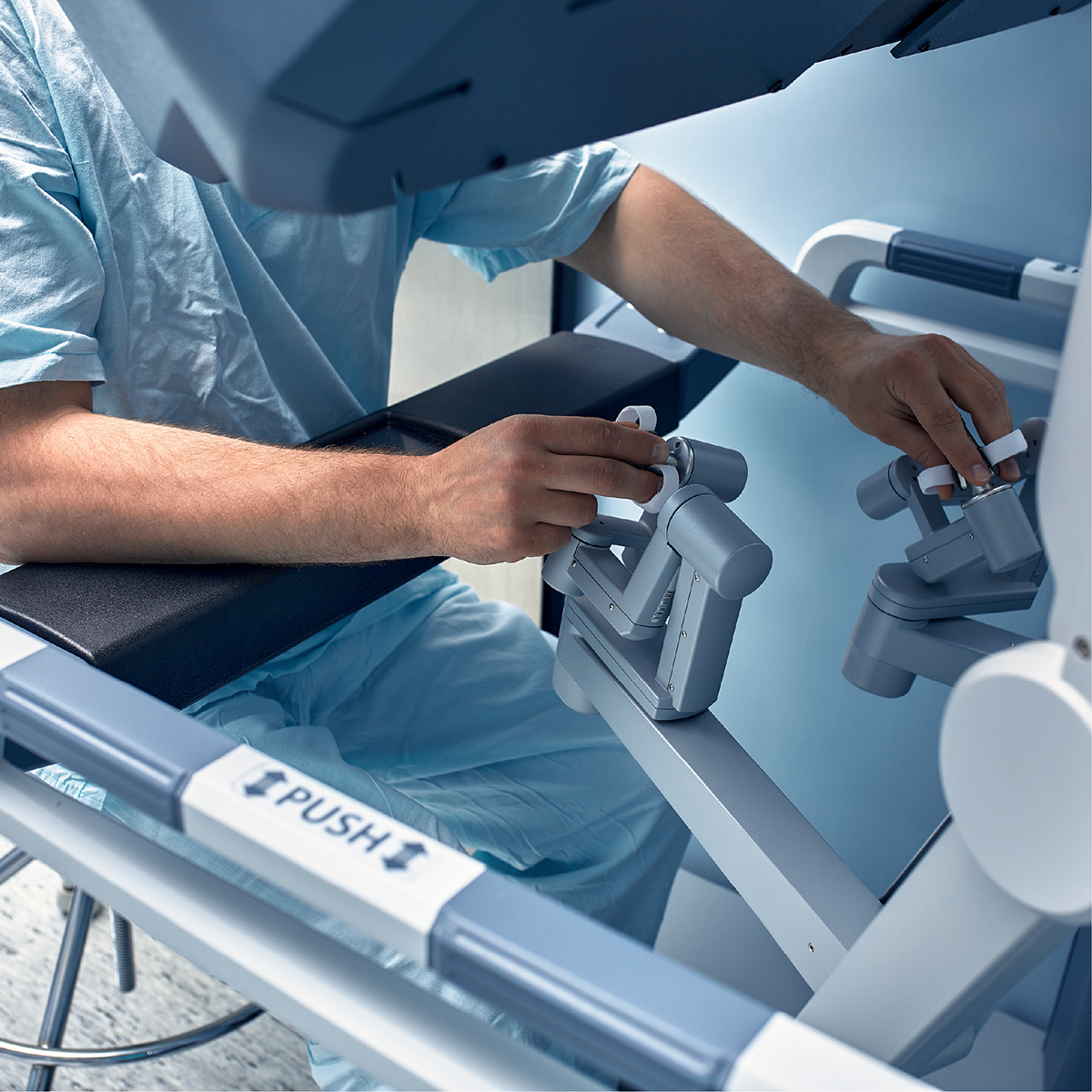
Synthetic intelligence is being embedded into surgical robotic platforms at an accelerating tempo — bettering navigation, enhancing intraoperative visualization, and enabling real-time choice help that augments the surgeon’s confidence. The medical promise is critical – and the engineering penalties are equally vital, although far much less mentioned.
AI-driven management techniques are solely as dependable because the bodily techniques they command. Algorithms that depend upon easy, predictable mechanical response can not compensate for torque ripple, cogging, thermal drift, or inconsistent encoder suggestions. As such, low-cogging, high-efficiency motors with secure thermal efficiency and tightly built-in suggestions units are an absolute should.
The rise of area of interest and procedure-specific techniques
The period of surgical robotics being outlined by a small variety of generalist multi-port platforms is altering. Alongside these established techniques, a brand new era of procedure-specific and area of interest robotic instruments is rising: navigation platforms, and positioning techniques focusing on particular surgical disciplines.
Every of those platforms has its personal movement necessities. An OEM constructing a robotic joint might have a frameless motor built-in instantly into the joint construction whereas one other axis of movement could require a compact, sterilizable motor-gearhead-encoder meeting with a controller for a handheld robotic instrument, and a lead screw-driven linear actuator for a 3rd. The power to supply all of those from a single movement structure — with elements engineered to work collectively and supported by a single engineering relationship — reduces integration danger and shortens improvement cycles.
Broader adoption means balancing efficiency and value
Surgical robotics adoption is shifting past flagship educational facilities. Educating hospitals are increasing fellowship applications and simulation coaching. A era of surgeons educated on robotic methods is getting into apply. Value-effective platforms are opening the door to neighborhood hospitals and rural settings that might not beforehand justify the funding.
This is good news for sufferers, however it modifications the design temporary for OEMs. Platforms that when competed totally on medical functionality now additionally compete on whole value of possession, versatile and scalable working room workflow, and provide chain simplicity. Movement elements play a direct function in all three.
Environment friendly motor designs enhance thermal efficiency whereas built-in movement subsystems simplify meeting and scale back the provider relationships an OEM should handle. Scalable manufacturing ensures {that a} design validated at prototype might be delivered reliably at manufacturing volumes.
One companion throughout the entire platform
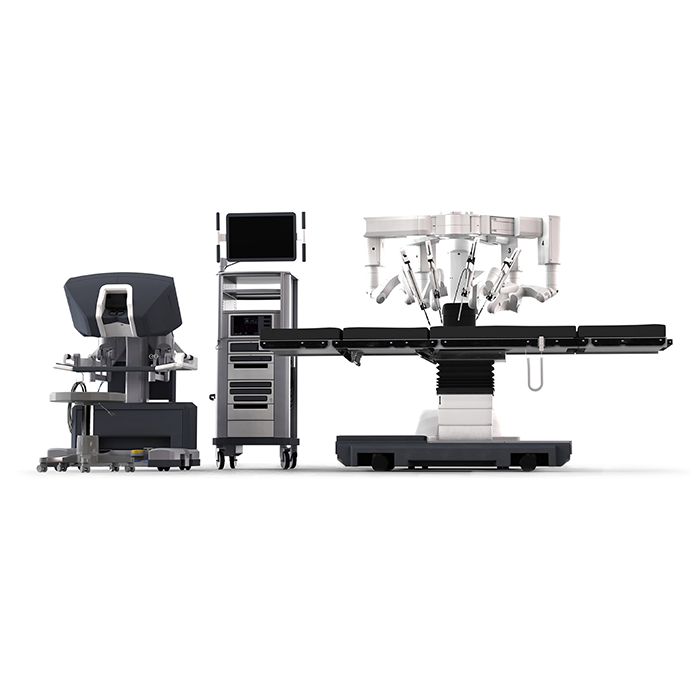 As surgical robotic platforms grow to be extra subtle, provider fragmentation transitions from an annoyance to a real engineering legal responsibility. Each interface between independently sourced motors, gearheads, encoders, and linear techniques introduces potential factors of failure — and slows the speedy iteration cycles trendy robotic techniques demand.
Regal Rexnord addresses this head‑on. Its movement portfolio spans precision miniature motors, customized encoders, planetary and spur gearheads, linear movement techniques, frameless motors, and built-in movement subsystems — all engineered to function cohesively as a part of a unified movement structure.
The broader Regal Rexnord group supplies what a specialist motor manufacturers alone can not: scalable manufacturing throughout 16 ISO-certified international amenities, provide chain depth to help quantity manufacturing, and the engineering breadth to deal with the movement system as a coherent complete reasonably than a group of individually sourced elements.
For OEMs, this implies fewer provider relationships to handle, decrease integration danger at part interfaces, sooner iteration by way of the event cycle, and a movement companion who can keep engaged from preliminary idea by way of to scalable manufacturing. The platforms that can outline the subsequent decade of surgical robotics will probably be constructed on unified, scalable movement architectures — and the companions able to delivering them.
Discover how Regal Rexnord can speed up your subsequent surgical robotic platform right here.
Sponsored content material by Portescap
The publish Surgical robotics: Why movement structure issues greater than ever appeared first on The Robotic Report.
