



**Navigating Liability: Why Your Next Vacation Needs a Crash Backup Plan**
Vacation planning is an exercise in anticipation. We book flights, lock in accommodations, and meticulously craft itineraries for days of sun, exploration, and relaxation. Yet, one critical piece of planning is almost universally overlooked: a backup plan for getting there. Travelers face a decision on almost every trip that carries more legal weight than most realize: rent a car, or opt for a self-driving vehicle like Waymo. Understanding the distinct risks and claims processes for each isn’t just smart; it’s essential protection against a nightmare scenario where an injury far from home turns into a bureaucratic battle.
### Two Very Different Risk Profiles
The fundamental choice boils down to control versus automation, and each comes with a unique liability landscape.
* **The Rental Car:** When you rent a car, you become the driver. This means you assume direct responsibility for the vehicle. If you cause a crash, your financial liability hinges on a complex mix of the rental agreement’s terms, the laws of the state (or country) where the accident occurred, and whether you purchased supplemental insurance at the counter. Conversely, if another driver hits you, their insurance is theoretically responsible, but the rental company’s internal processes can significantly delay and complicate the claims process.
* **The Self-Driving Vehicle:** Choosing a service like Waymo removes the human element from driving, but it doesn’t remove the potential for liability. With no driver to assign fault, responsibility shifts to the technology itself. Claims in these situations pivot on the performance of the vehicle’s sensors, its software, and, crucially, the policies of the company operating the fleet. This represents a move from personal error to product liability and technological failure, requiring a different kind of legal expertise and evidence gathering.
Assuming these two scenarios are handled the same way is a common and costly mistake. Without the proper knowledge, claims can move at a glacial pace, and insurance adjusters may default to placing blame on the passenger.
### Why Rental Car Claims Get Complicated Fast
A collision in a rental car is rarely a simple two-party affair. The web of potential payers and disputants can ensnare even the most prepared traveler. Key stakeholders often include:
* The at-fault driver’s personal insurance.
* The rental company’s own coverage or a collision damage waiver.
* Your personal auto policy, if it extends its “umbrella” to rental vehicles.
* A credit card company’s rental car protection benefit.
This multi-layered environment is ripe for disputes over who should foot the bill. Furthermore, your unfamiliarity with local roads makes you a more likely candidate for an at-fault scenario. Documentation is your most powerful tool in this fight. The rental application, the vehicle’s pre-existing damage report, and any data from the car’s systems can all make or break a claim. Taking proactive steps immediately after an incident is the single best way to ensure a smoother process later.
### When the Vehicle is Driving Itself
Self-driving technology is new enough that the legal framework is still evolving. A crash with a robotaxi is not the same as a fender-bender with a delivery truck. The investigation focuses on terabytes of sensor data, the ride’s digital log, and the internal incident reports maintained by the technology company.
This complexity often necessitates specialized legal counsel. A lawyer experienced in autonomous vehicle accidents knows how to issue proper preservation requests to prevent this crucial data from being erased. Passengers might mistakenly believe that not holding a steering wheel equates to a liability-free ride. In reality, it simply creates a new, more complex battlefield where the fight is for data as much as for compensation.
### Resort Property Adds Another Layer
Your legal exposure doesn’t end when you park your car. Resorts, hotels, and cruise lines are complex ecosystems of third-party vendors, from valet services and shuttle drivers to contracted maintenance crews. A trip-and-fall in a poorly lit parking lot or a collision caused by an untrained shuttle driver introduces premises liability into the mix.
In these instances, the property owner may share responsibility. Key questions to ask include:
* Who is the owner and insurer for the shuttle or valet service?
* Does the resort have security camera footage of the incident?
* Was the vehicle involved an official resort vehicle or a contractor’s?
These details are easily forgotten when you’re focused on enjoying your vacation, but they become critical evidence if a dispute arises.
### What to Do Before You Leave the Scene
Regardless of whether you were behind the wheel or merely a passenger, certain actions are universal best practices. Immediately following any incident, you should:
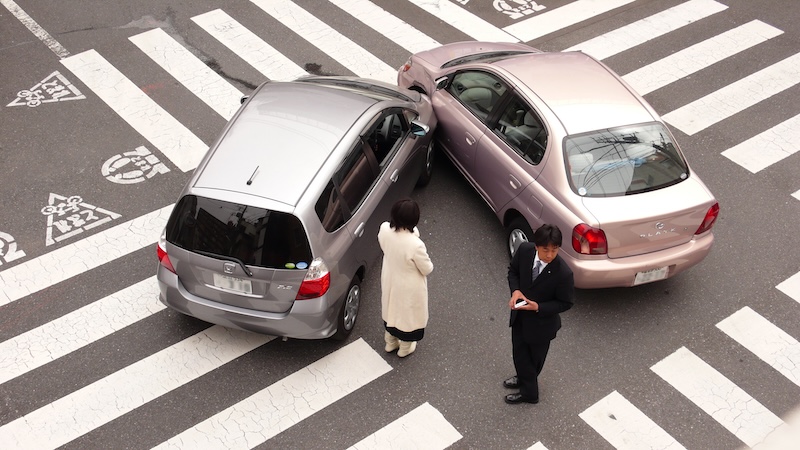
* **Document Everything:** Take clear, wide-angle photos of all vehicles, the surrounding area, traffic signs, and any injuries.
* **Gather Information:** Get the full names, phone numbers, and insurance details of all other drivers, witnesses, and any resort or rental company employees involved.
* **Get the Official Report:** Always request a copy of the police or incident report before you depart the scene.
* **Stay Silent:** Avoid discussing fault or apologizing, as these statements can be misconstrued later.
For those using app-based services, a crucial extra step is to take screenshots of the ride details, driver ID, and route information. This digital data is transient and can be deleted by the company’s servers before you even return home.
### Getting Home Doesn’t End the Claim
A frequent scenario involves a traveler having an accident while on a trip abroad or in a distant state, only later assuming the claim must be handled entirely in that jurisdiction. This is not always the case. An attorney based in your home state can often manage the legal and insurance complexities of your case from afar, allowing you to focus on recovering.
The firm of Joe I. Zaid & Associates specializes in helping clients navigate precisely these kinds of complicated situations, including those involving rental cars and autonomous rides. They work to identify the correct liable parties—be it an insurance company, a tech firm, or a resort—and manage the claims process on your behalf.
### Frequently Asked Questions (FAQ)
**Q: Do I need to buy the rental company’s insurance?**
A: It depends. First, check your personal auto policy; it may already provide coverage for rental cars. Next, use a credit card that offers rental car protection. Only buy the rental company’s insurance if neither of those options applies, as it can be expensive and redundant.
**Q: Who pays for my rental car while my car is in the shop after an accident?**
A: This is typically covered by “Loss of Use” coverage, which is often an optional add-on on rental car agreements or part of your personal auto policy. Without this coverage, you may be responsible for the rental costs.
**Q: Can a self-driving car be ticketed or held responsible?**
A: No. Since there is no human driver, the liability falls on the company that manufactured or operates the vehicle. The car itself cannot be ticketed, but the company can be held financially responsible for damages.
**Q: What if the accident happens on a resort shuttle?**
A: Resort shuttles are often operated by third-party companies. You would likely file a claim against that company’s liability insurance, as well as the resort’s premises liability insurance if the accident was caused by a hazard on the property.
**Q: How long do I have to file a claim after a vacation accident?**
A: The statute of limitations varies by state and country. While you should always act immediately to preserve evidence, you generally have anywhere from one to three years to file a lawsuit. However, consulting an attorney as soon as possible is always the best course of action.
### Conclusion
A vacation is a pause from the complexities of everyday life, but an accident during travel throws a legal labyrinth squarely in your path. The choice between a rental car and a self-driving vehicle is more than a matter of convenience; it is a choice between two distinct legal universes. Whether you are navigating the multi-party claims of a rental car or the evolving technology of a robotaxi, the most valuable thing you can bring to the table is preparation. By understanding your risks, knowing the correct steps to take at the scene, and planning for the possibility of the unexpected, you protect not only your vacation but your financial well-being long after you’ve returned home.
