



**Breaking Free from Big Carrier Contracts: Why I Switched to Mint**
In an era where our smartphones are tethered to our lives more than ever, the choice of a mobile service provider feels weightier. We are bombarded by towering billboards and celebrity-splashed commercials from the industry’s giants—Verizon, AT&T, and T-Mobile—each promising the fastest speeds and the flashiest phone deals. Yet, nestled within the fine print of these enticing offers are traps that can lock you in for years, laden with hidden fees and frustrating conditions.
Recently, a widespread T-Mobile outage left thousands of customers, including some of my in-laws stranded without a signal at a concert venue, navigating the frustrating process of validating tickets just to get service. For those entrenched in such contracts, the “benefits” can feel like a leash: multi-year agreements with exorbitant termination fees, “free” bill credits designed simply to retain your business, and phones that remain locked until you’ve satisfied your lengthy payment obligations. After more than a decade as a T-Mobile customer, I had my own tipping point.
The deciding factor wasn’t just the rising costs—though being forced onto the new “Experience More” plan was a stark wake-up call—but the simple realization that I was paying a premium for perks I barely used. My days are spent connected to Wi-Fi at home and in the office, making the “premium” 5G speeds and generous hotspot allowances feel like expensive extras. The enhanced trade-in values for a new phone felt less like a benefit and more like an enticement to sign onto a longer installment plan, a commitment I actively avoid given how frequently I like to upgrade.
So, I did what any cost-conscious consumer would do: I switched.
I moved to **Mint**, a smaller but formidable Mobile Virtual Network Operator (MVNO) that operates on the same robust 5G and LTE networks as T-Mobile. The migration was remarkably smooth, with my wife’s number and mine transferred in just a few minutes over the phone. The most significant change was my monthly bill, which plummeted from a potential $140 down to roughly $ $20—a savings of $120 a month that I’d rather spend on experiences than on my phone bill.
Here’s a breakdown of why making the switch was the best decision for my wallet and my sanity:
### The Big Carrier Traps
Big carriers operate on a business model designed to keep you locked in. Their massive marketing budgets are funded by the very customers they sign up, using strategies like:
* **Bait-and-Switch Offers:** Appealing sign-up deals that hide complex terms.
* **Contractual Lock-In:** Multi-year agreements with substantial fees for early cancellation.
* **”Free” Perks:** Monthly bill credits that feel like gifts but are simply incentives to stay on an expensive plan.
* **Hidden Fees:** From Device Connection Charges to payment and restocking fees, the charges add up quickly.
### The Benefits Weren’t Worth It
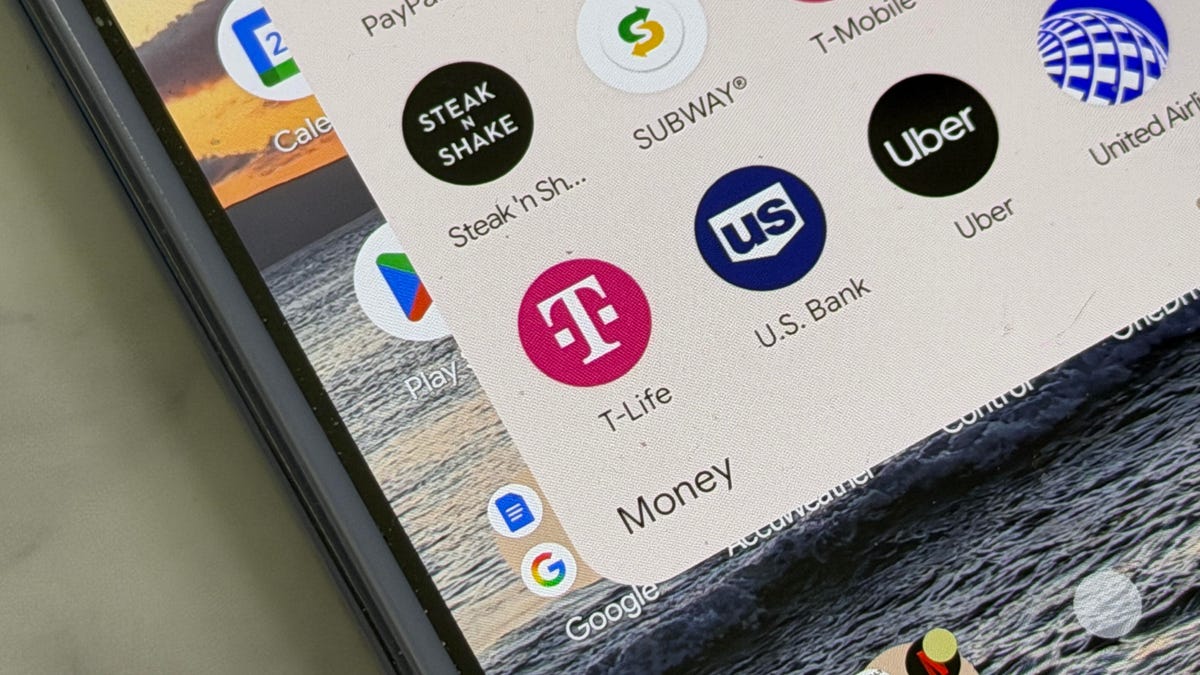
For over ten years, I stayed with T-Mobile for the perceived convenience of a local store and the weekly digital rewards from “T-Life” (like free movie tickets and photo prints). I tolerated the monthly anxiety of unexpected fees and the occasional network outage because, well, switching seemed like a hassle. But I was paying a premium for a service that was increasingly disconnected from my actual usage. Features like 4K streaming and high-speed mobile hotspots were irrelevant to my primarily Wi-Fi-based life.
### A New Era: The Tipping Point
The final straw was T-Mobile’s aggressive push to migrate legacy customers onto the “Experience More” plan. Suddenly, my “Simple Choice” plan—which I had been grandfathered into—was gone, replaced by a bill that was $60 more expensive per month. The trade-offs, like increased hotspot data and 4K streaming, were meaningless to me. It was a clear case of a larger carrier leveraging its size to squeeze more revenue out of long-term customers.
### Why Mint Was the Perfect Alternative
Mint offered the perfect solution. As a smaller provider, it doesn’t have the national footprint of a T-Mobile, which means my data can be deprioritized during peak congestion at a crowded stadium or concert. However, for my daily needs—browsing, streaming at home, and using maps—their service is more than reliable. The most significant advantage is the cost. For a fraction of the price, I receive reliable 5G connectivity without the baggage of inflated fees and unnecessary subscription tiers.
### Overcoming the Downsides of Smaller Carriers
Switching isn’t without its compromises. The most noticeable difference is the lack of a physical retail presence. If you have an issue, you must rely on phone or chat support. For some, this could be a drawback. Additionally, in times of extreme network congestion, a smaller carrier’s data may be slowed before a larger carrier’s. For me, these minor inconveniences are a fair trade-off for the substantial savings and reliable service I now enjoy.
—
### FAQ
**Q: Why would someone switch from a major carrier like T-Mobile to a smaller one like Mint?**
The primary reason is cost. Major carriers often lock customers into expensive contracts and plans, laden with hidden fees. Smaller carriers like Mint use the same national networks but offer a significantly lower-priced plan with fewer bells and whistles you might not even use.
**Q: Will I lose signal or data speed by switching to Mint?**
No. Mint operates as a Mobile Virtual Network Operator (MVNO), which means it leases access to the same 5G and LTE networks that T-Mobile uses. Your connection will be just as fast and reliable for everyday tasks, though it may be deprioritized during extreme network congestion in busy areas.
**Q: What about customer service? Is it as good as a big carrier?**
Customer service for smaller carriers is primarily phone and chat-based, as they don’t have a nationwide network of retail stores. While this requires a different kind of convenience, the savings on your monthly bill often outweigh this difference for many users.
**Q: Are there any hidden fees with Mint?**
Unlike larger carriers, Mint’s business model is built on transparency. You won’t find surprise device connection charges or mandatory paper statement fees. You pay for the service you use.
—
### Conclusion
My decade-long relationship with T-Mobile ended not with a bang, but with a simple calculation. I realized I was paying a premium for a relationship that offered diminishing returns. By switching to Mint, I haven’t sacrificed quality; I’ve simply realigned my service with my actual needs. For anyone feeling trapped by high costs and complex contracts, the message is clear: it’s worth exploring the alternatives. In the world of mobile service, freedom from the big carrier trap is not only possible—it can be profoundly rewarding.
