



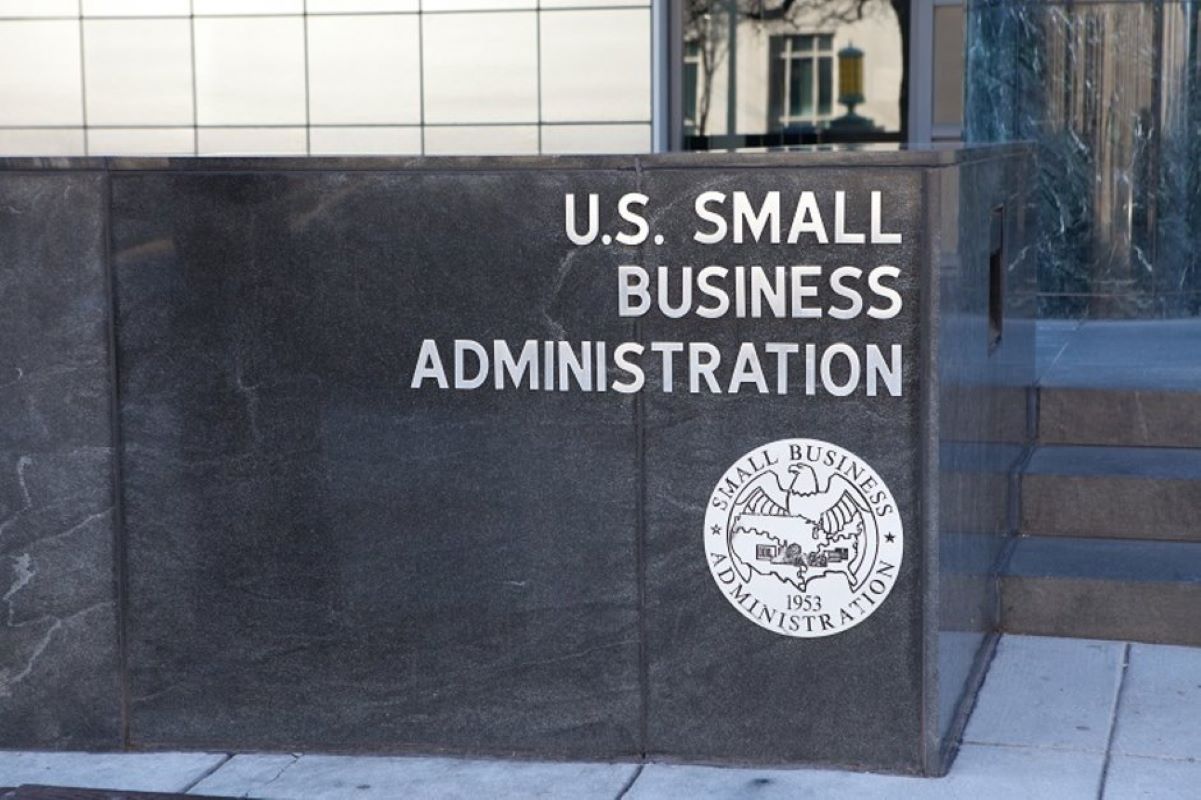
**Understanding the Crackdown on 8(a) Program Fraud**
Recent actions by federal authorities highlight a significant shift in enforcement regarding federal contracting programs. The Department of Justice has announced major settlements related to false claims, specifically targeting entities that fraudulently participate in set-aside initiatives. Simultaneously, the Small Business Administration (SBA) has declared changes to the management of the 8(a) program, signaling a broader governmental focus on integrity and compliance. These coordinated efforts suggest a serious governmental pushback against perceived systemic vulnerabilities within diversity and set-aside contracting schemes.
The core of the recent crackdowns involves entities that misrepresent their eligibility or operational capacity. Often, the issue revolves around a lack of genuine control. Essentially, the government is scrutinizing whether a small business acts as a true operator or merely a front. When an eligible 8(a) firm serves only to funnel work and paperwork to a larger, ineligible parent company, it constitutes a clear violation. Regulators are looking past the organizational chart to find the reality on the ground: who is making the key decisions, performing the labor, and managing the finances?
These cases frequently originate from whistleblower reports or proactive audits initiated by oversight bodies. The government has deployed specific audits designed to uncover “pass-through” fraud, where non-eligible contractors hide behind certified small businesses. Failure to comply with audit findings has already resulted in decertifications, stripping entities of their valuable 8(a) status. Looking ahead, the trend indicates tighter scrutiny and potentially steeper consequences for those attempting to exploit the system, aimed at ensuring federal dollars reach authentic small businesses.
### Frequently Asked Questions
**Q: What does the 8(a) program aim to achieve?**
The 8(a) program is designed to assist small businesses owned and controlled by socially and economically disadvantaged individuals in gaining access to federal contracting opportunities. It is a cornerstone of federal efforts to promote equitable participation in the marketplace.
**Q: How does the government determine if a business is truly “in control”?**
Agencies look for evidence of operational management. This includes examining whether the business makes independent managerial decisions, performs the work itself, and bills for that work, rather than acting as an intermediary that merely forwards communications and directives to a hidden principal.
**Q: What are the risks for larger contractors who partner with 8(a) firms?**
Large contractors face significant legal risk if their partnerships violate regulations. They can be accused of aiding the fraudulent entity, conspiring to secure contracts improperly awarded, or willfully causing the submission of false claims to the government. These liabilities can lead to substantial civil penalties and even criminal prosecution.
**Q: What should a legitimate 8(a) business do to protect itself?**
Businesses should conduct an internal review focusing on corporate structure, subcontracting agreements, the division of labor, and financial arrangements. Ensuring that the 8(a) entity retains genuine control over operations and clearly documents its role is essential to maintaining compliance.
### Conclusion
The current environment marks a pivotal moment for the 8(a) community. While the program’s intent remains vital, the enforcement landscape is evolving rapidly. Success will depend on strict adherence to regulations and a demonstrable commitment to authentic business operations. Organizations that fail to align with these standards risk severe consequences, including decertification and legal action. The government’s message is clear: the era of unchecked set-aside abuse is over.
Thank you for reading
