



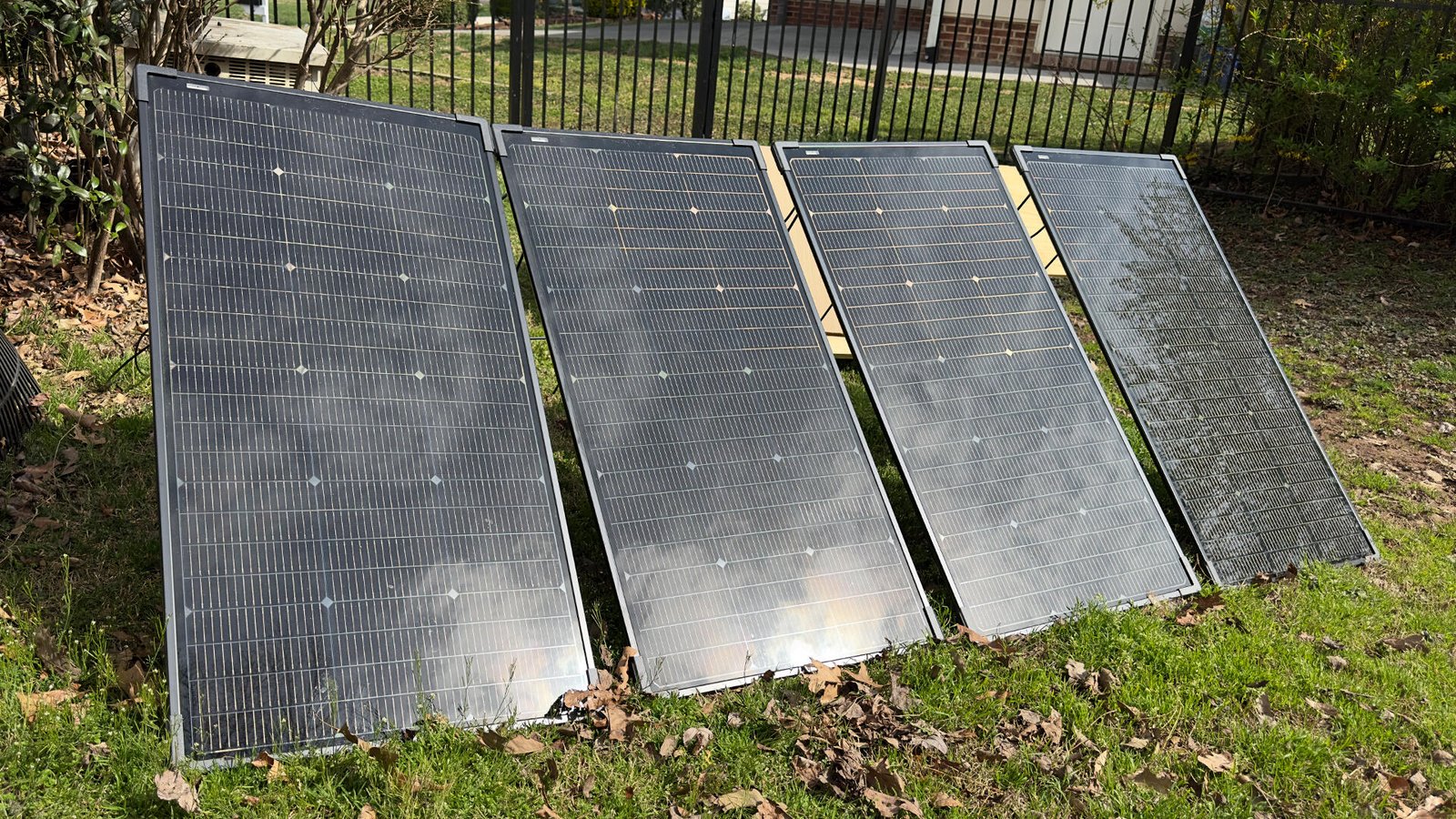
# Backyard Solar Is Finally Going Mainstream — Here’s What You Need to Know
Solar energy has long been associated with expensive rooftop installations and complicated permits. But a new wave of simple, plug-and-play solar systems is changing the game. These backyard solar setups allow everyday homeowners to generate their own clean electricity with minimal effort. The only catch? In many places across the United States, they were illegal.
That’s starting to change. A growing number of states are passing legislation to allow these consumer-friendly solar devices, opening the door for millions of households to slash their energy bills and reduce their carbon footprint.
## What Are Plug-In Solar Systems?
Plug-in solar systems — sometimes called “backyard solar” — are compact setups that typically include one or more solar panels, a small inverter, and a battery. You plug the whole system into a standard 120-volt household outlet, and it automatically sends stored solar energy to the appliances running nearest to it. No wiring, no electrician, no rooftop climbing required.
## Where Is Backyard Solar Already Legal?
Ten states have passed laws explicitly allowing plug-in solar systems for consumer use. These range from Utah, which led the charge, to California, one of the last major states on the list. Each law comes with its own effective date, meaning residents in those states can legally purchase and install these systems over the next year or two.
Here’s a quick look at where things stand:
– **Utah** — First state to legalize, with a law taking effect in May 2025.
– **Virginia** — Legislation effective January 2027.
– **Colorado** — Law takes effect August 2026.
– **Vermont** — Law takes effect July 2026.
– **New Hampshire** — Legislation effective January 2027.
– **Maine** — Law takes effect July 2026.
– **Maryland** — Legislation effective July 2026.
– **Connecticut** — Law takes effect October 2026.
– **New Jersey** — Legislation effective March 2027.
– **California** — Law effective January 2027.
Each of these states has removed the legal barriers that previously made it risky or outright forbidden to use a plug-in solar setup at home.
## Which States Are Working Toward Legalization?
Beyond the ten states that have already acted, roughly two dozen others are actively pushing bills through their legislatures. Some of these proposals are making progress through committee hearings, while others have hit roadblocks and are waiting for the next legislative session in 2027.
Notable examples include Massachusetts, where balcony solar bills are advancing; New York, where a solar-friendly act is awaiting the governor’s signature; and states like Michigan, Ohio, Pennsylvania, Rhode Island, South Carolina, and Washington, DC, where bills have been heard in committee.
## Where Has Backyard Solar Failed?
Unfortunately, not every state has been welcoming. Bills have been defeated in Georgia, New Mexico, Oregon, Washington, and Wyoming, meaning plug-in solar systems remain technically illegal in those places. However, failure doesn’t always mean the end of the road. Lawmakers can reintroduce revised versions of these bills in future sessions, so advocates remain hopeful that more states will eventually join the movement.
## Why Was Backyard Solar Banned in the First Place?
The reasons go beyond simple safety concerns, though safety does play a role. Traditional American home electrical systems weren’t designed to accept power flowing back into them from a wall outlet. Rooftop solar systems are professionally installed and carefully integrated into a home’s electrical panel. Plug-in solar, by contrast, feeds electricity directly into an outlet, which can create complications with circuit breakers and current flow.
But there’s a bigger picture at play. Utility companies have long been the primary opponents of plug-in solar legislation. Their business model depends on customers buying electricity from the grid. When homeowners generate their own power, utilities sell less electricity and collect less revenue. This has made utilities powerful lobbying forces against backyard solar adoption for years.
## Can You Set Up Solar Panels Right Away After Legalization?
Not necessarily. Even in states where legislation has passed, your specific living situation matters. These new laws generally protect homeowners from having utility companies block their plug-in solar projects. However, they don’t automatically override rules set by landlords or homeowners associations. If you rent your home or live in a community governed by an HOA, you may still face restrictions — unless additional local laws address those specific situations.
## FAQ
**Q: Are plug-in solar systems expensive?**
A: Costs have dropped significantly in recent years. Small plug-in systems can be purchased for a few hundred dollars, making them far more affordable than traditional rooftop installations.
**Q: Do I need a professional to install a plug-in solar system?**
A: No. That’s one of the biggest selling points. These systems are designed to be set up by anyone with basic instructions — just plug them in and go.
**Q: Will a plug-in solar system power my entire house?**
A: Most residential plug-in systems are designed to supplement your electricity use, not replace it entirely. They work best when connected to high-consumption appliances or used to charge a home battery.
**Q: What happens if my state hasn’t legalized plug-in solar yet?**
A: You may still be able to use these systems, but operating one in a state where it’s illegal could result in fines or other penalties. It’s worth checking your local laws and advocating for change if you’re interested.
**Q: Is backyard solar worth the investment?**
A: For many households, yes. Even a small system can offset a portion of your monthly electricity bill, and prices continue to come down as technology improves and demand grows.
## Conclusion
The movement to legalize backyard solar is gaining momentum across the United States. With ten states already on board and dozens more actively working toward it, the landscape is shifting quickly. Plug-in solar systems offer an accessible, affordable way for everyday people to take control of their energy use and lower their bills. As more states pass legislation and manufacturers continue to innovate, these simple solar setups are poised to become a common sight in backyards everywhere.
Thank you for reading
