



### Oil Markets Brace for Monday: What the 400% Surge in Strait Traffic Really Means
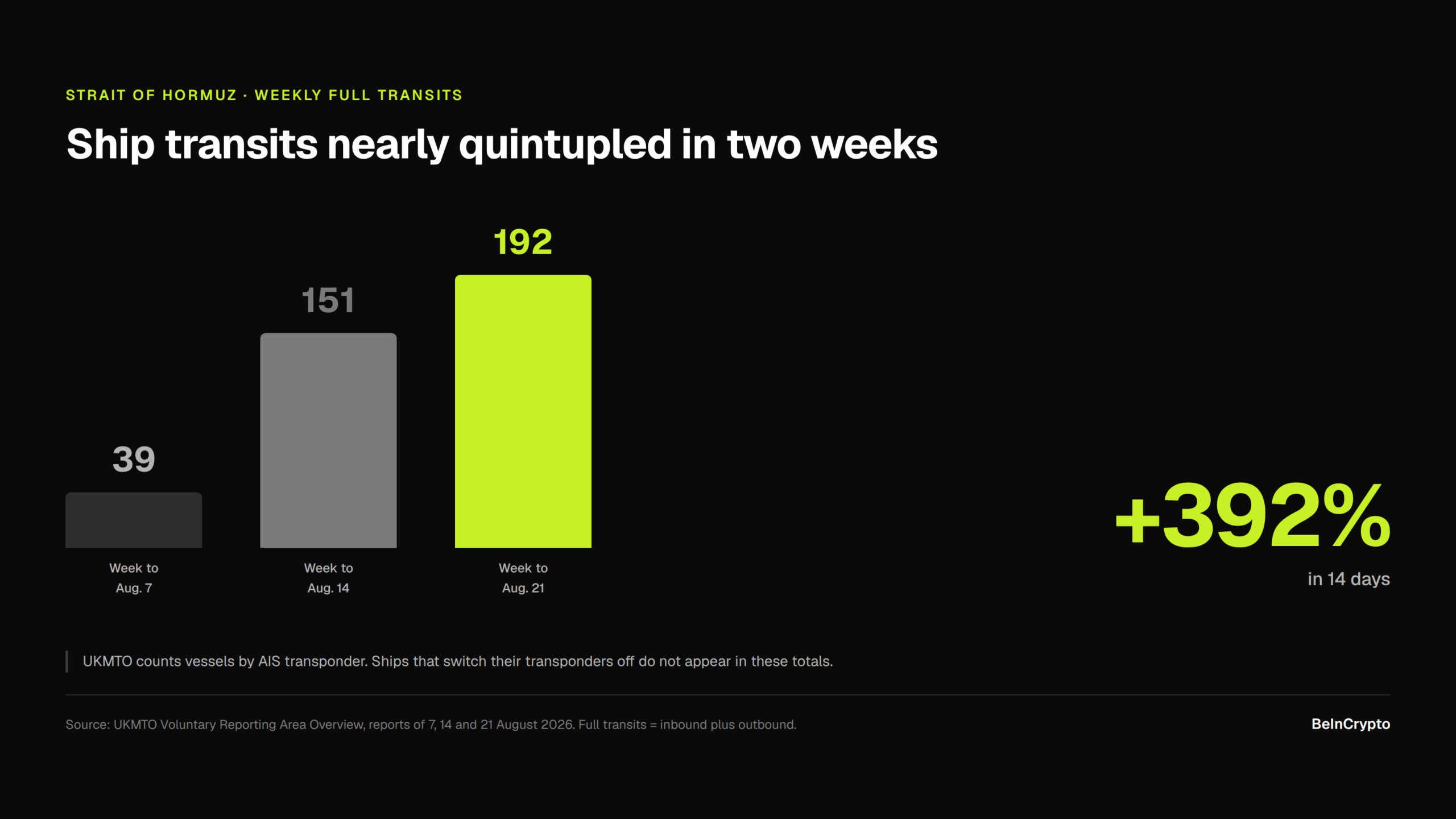
Recent shipping data has revealed a dramatic increase in maritime traffic through a critical global chokepoint. Reports indicate a near quadrupling of vessel transits in just a fourteen-day period. While this surge in numbers typically suggests an influx of supply and would usually pressure prices downward, the market reality is far more complex. The significant spike is partly attributed to vessels reactivating tracking systems rather than a true reflection of new cargo movements, painting a nuanced picture of the actual market balance.
#### The Resurgence of Maritime Traffic
The increase in activity is undeniable and stems from a prominent monitoring source. Official counts have shown a sharp rise in the number of ships physically moving through the strategic waterway. This rebound follows a period of near-stagnation. The progression from a minimal level to a figure representing a significant percentage of historical norms creates a compelling, albeit incomplete, narrative of recovery.
The data shows a clear escalation over a short timeframe. The count jumped from a baseline of a few dozen vessels to over a hundred in a subsequent week, and then to nearly two hundred in the following period. This represents a year-on-year percentage increase that is difficult to ignore. However, this metric only tells part of the story, as the volume of oil carried by these vessels remains a crucial variable.
#### Deciphering the True Market Impact
Analysts caution that the headline-grabbing percentage is misleading. A closer examination of the actual barrel counts tells a different story. The daily flow of crude through the passage remains a small fraction of what it was before recent disruptions. Essentially, the system is operating at a fraction of its former capacity. This “new” traffic is simply restoring a minimal level of activity, not indicating a full market recovery.
Furthermore, the nature of the cargo has changed. The refined products market, which includes diesel and gasoline, is experiencing significant pressure. Profit margins for converting crude into these products have reached record highs. This internal squeeze means that while raw crude might flow, the final products are becoming scarcer and more expensive, contributing to overall market volatility.
#### What Lies Ahead for Price Movements
The coming trading session will be a critical test for market sentiment. Price action will be determined by how participants interpret the confluence of data and upcoming policy announcements. Technical analysis suggests the market is at a pivot point, testing key historical levels that have defined recent trends.
The introduction of new geopolitical factors adds another layer of uncertainty. Upcoming speeches and potential sanctions are expected to influence trader positioning. The outcome will likely determine whether the recent momentum continues or if a period of consolidation and lower prices will follow.
**FAQ**
**Q: Why did oil prices not drop despite the huge increase in ship numbers?**
A: The large percentage increase is largely due to vessels turning their tracking systems back on after being dormant. The actual volume of oil, measured in barrels, remains very low compared to pre-conflict levels, so supply fears are not significantly eased.
**Q: How does the current traffic compare to historical norms?**
A: While the number of ships has surged, the actual oil flow is about 90% below pre-war levels. The strait is currently operating at less than half of its normal capacity, meaning the market is still far from being balanced.
**Q: What role do sanctions and politics play in upcoming price movements?**
A: Sanctions and political rhetoric can restrict supply and support higher prices. However, if the underlying data is softer than expected or suggests a return to negotiations, prices could face downward pressure on Monday.
**Q: What technical levels are being watched by traders?**
A: Both Brent and WTI crude are testing descending trendlines drawn from May highs. A rejection at these levels could confirm a downtrend, while a close above them could signal a major break and erase previous price forecasts.
In conclusion, the 400% surge in ship traffic is more of a statistical recovery than a fundamental market shift. The true test for oil prices on Monday will be whether the actual cargo flows and geopolitical developments can convince traders of a genuine supply increase or further consolidation.
Thank you for reading
