



**The Future of Sonos: AI Integration and Smarter Voice Control are Coming**
The landscape of smart home audio is shifting, and Sonos is determined to remain a dominant force. Recent reports and signals from the company’s leadership indicate a significant strategic shift focused on artificial intelligence (AI) and a major overhaul of its voice control ecosystem. Following a period of new product releases and app redesigns, Sonos CEO Tom Conrad has emphasized that AI will be a central pillar of the company’s revival. This article explores what this means for Sonos users, from next-generation hardware to a more intelligent and integrated assistant.
### A Hardware and AI Reboot
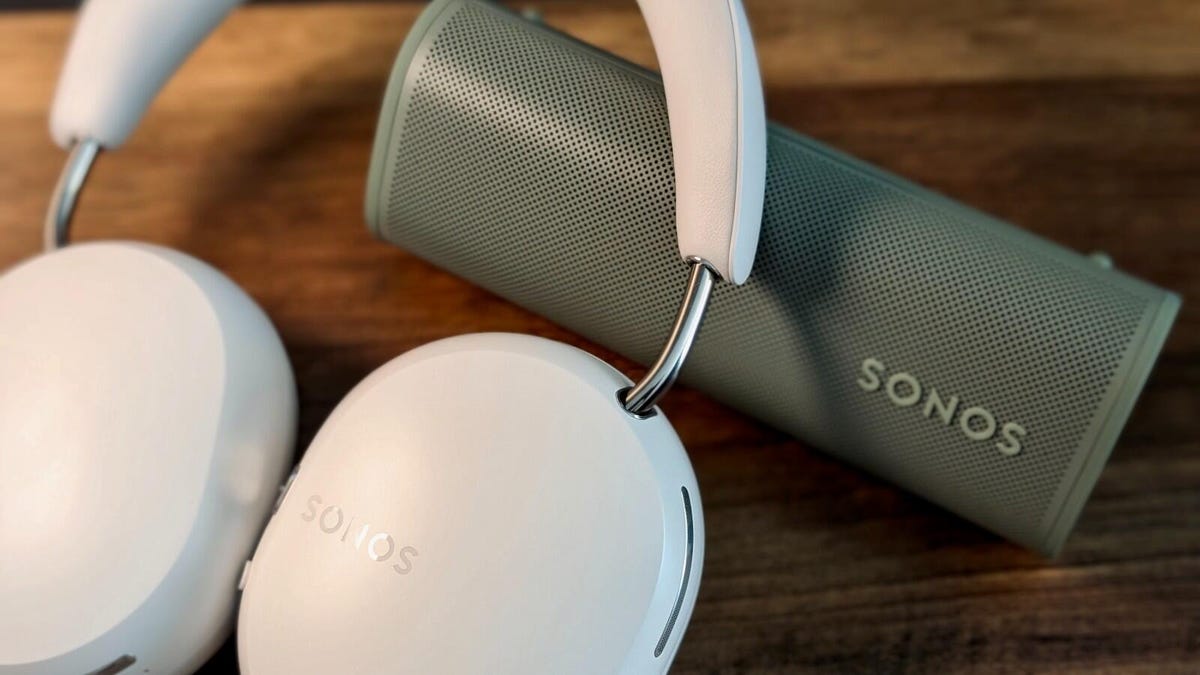
Evidence of Sonos’s upcoming hardware plans is already surfacing. Leaks from the Federal Communications Commission (FCC) point to the imminent arrival of the **Sonos Ace Ultra headphones**, which are expected to launch as early as this fall. These are not just another pair of wireless headphones; they are envisioned as a central hub for your entire Sonos system.
The primary challenge with the previous generation Ace headphones was their limited integration. They couldn’t access Sonos Voice Control and could only connect to a select few soundbars for audio swapping. The new Ace Ultra aims to solve this, potentially acting as a wearable remote and controller for your entire smart home audio setup. Imagine walking through your house, wearing your headphones, and using voice to move audio from room to room or to your TV without lifting a finger.
Alongside the Ace Ultra, a successor to the popular **Sonos Beam (Gen 2)** is also in the works. This signals Sonos’s commitment to refreshing its core soundbar offerings, ensuring they remain competitive and integrated with the latest software features.
### The Need for a Smarter Voice Assistant
These new devices are only half of the equation. For Sonos to truly compete with the major tech giants, its voice assistant, **Sonos Voice Control**, needs a serious upgrade. Currently, Sonos Voice Control is effective for basic commands like playing music from a specific playlist, adjusting volume, or switching between rooms. However, it struggles with more complex, conversational, or contextual requests.
Competitors like Google Assistant (now powered by Gemini) and Apple’s Siri are becoming deeply integrated into the fabric of our smart homes, handling complex tasks across numerous devices. For Sonos to maintain its edge, its voice assistant must evolve. Users will expect to interact with Sonos in more natural, sophisticated ways, such as:
* **Conversational Context:** Instead of rigid commands, being able to say something like, “I’m having a movie night, make the room sound cinematic.”
* **Predictive Intelligence:** The assistant learning your routines and preferences, proactively suggesting music or actions based on the time of day or your activities.
* **Cross-System Control:** The ability for the voice assistant to not just play music, but to integrate with other smart home devices, like adjusting your Philips Hue lights or telling your TV to switch inputs, all from a single, unified command.
### Sonos’s Unique Advantage
While Sonos may lag behind in the breadth of AI capabilities, it holds a powerful advantage: its deep understanding of the home environment. Sonos devices are designed to work together, creating a cohesive network of speakers and soundbars. This interconnectedness is the key to a unique user experience that Alexa+, Google Assistant, or Siri cannot replicate.
Imagine a system where your home “knows” you are in the living room and automatically pauses the music in the kitchen. Or, where you can simply tell your headphones, “I’m going to work,” and the system will transfer your audio from your living room speaker to your headphones seamlessly. This **audio continuity**—the seamless flow of sound throughout your home, managed by a smart assistant that understands your habits and the layout of your space—is Sonos’s true differentiator.
The future of Sonos is about more than just playing music; it’s about creating an intelligent, responsive, and unified smart home audio experience. By focusing on both cutting-edge hardware and a powerful AI-driven voice assistant, Sonos is poised to reclaim its leadership in the smart home market.
***
### FAQ
**Q: When will the new Sonos hardware be available?**
**A:** Reports suggest that new hardware, including the Sonos Ace Ultra headphones, could arrive as soon as this fall.
**Q: What is the main goal of the Sonos Ace Ultra headphones?**
**A:** The Ace Ultra is designed to be a central controller for the entire Sonos ecosystem, allowing for deeper integration with Sonos Voice Control and the ability to seamlessly switch audio between headphones and other Sonos speakers in your home.
**Q: How will the new Sonos Voice Control be different?**
**A:** The upcoming upgrade aims to make the voice assistant more conversational, predictive, and contextually aware. It will be able to handle more complex requests and understand user habits, moving beyond simple device commands to truly intelligent home automation.
**Q: What advantage does Sonos have over competitors like Alexa or Google Assistant?**
**A:** Sonos’s primary advantage is its deep, integrated ecosystem. While competitors can control a wide range of smart home devices, only Sonos can provide a unified and continuous audio experience across all its speakers and headphones, controlled by a voice assistant that understands the specific layout and routines of your home.
***
### Conclusion
Sonos is at a pivotal moment, poised for a significant comeback driven by a dual focus on innovative hardware and intelligent software. The integration of the Sonos Ace Ultra and a major overhaul of Sonos Voice Control are not just incremental updates; they represent a fundamental shift in how the company plans to compete in the smart home market. By leveraging its unique strength—a deeply interconnected audio network—Sonos has the opportunity to offer a smarter, more seamless, and more personalized listening experience that stands apart from the competition. The future of Sonos looks not just connected, but truly intelligent.
