



**The Dawn of a Safer Road: How 4D Radar is Reshaping Global Safety**
A significant shift is occurring in how we approach road safety worldwide. The focus is moving away from merely equipping vehicles with basic warning systems and toward actively preventing accidents before they happen, especially for pedestrians and cyclists. This evolution is being driven by new regulations across the globe. From Europe and India to UNECE standards, lawmakers are setting strict deadlines for the implementation of advanced safety measures. This regulatory push marks the beginning of a new era where technology is not just an option but a mandate for protecting all road users.
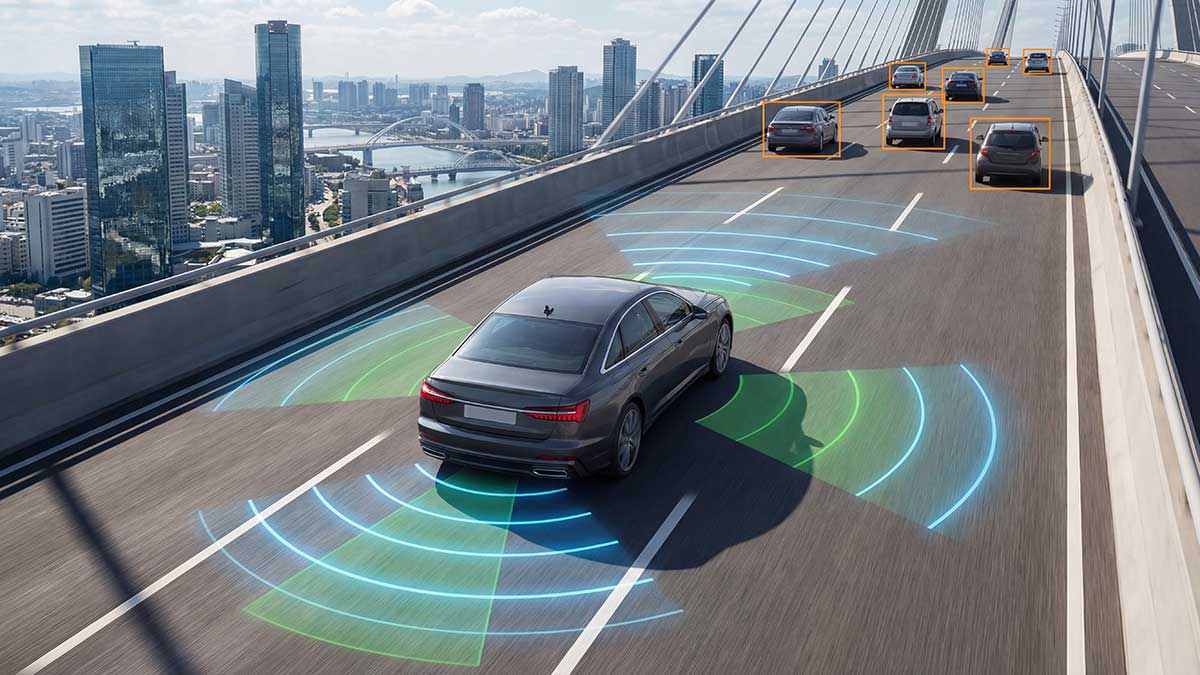
At the heart of this transformation is the advancement in sensing technology. While cameras and AI have their place, radar has emerged as a critical tool for fleet operators and automotive manufacturers. The latest innovation is 4D radar, a technology that provides a complete picture of the environment by detecting an object’s distance, speed, position, and height. This capability is essential for detecting vulnerable road users and ensuring compliance with the new global standards.
### Why 4D Radar is a Game-Changer
Traditional radar systems have limitations, often lacking the vertical resolution needed to distinguish between a person on a bicycle and a signpost. Legacy systems also struggle to provide the detailed data required for modern safety protocols. 4D imaging radar solves these issues, offering a level of detail that allows vehicles to categorize objects in real-time, whether they are a pedestrian, a cyclist, or a large truck.
The importance of this technology cannot be overstated. With regulations requiring advanced driver-assistance systems (ADAS), retrofitting existing vehicles with 4D radar has become a priority for the automotive industry. Some vehicles already ship with multiple high-end sensors, and the market is expected to grow exponentially, with analysts predicting that radar sensors will become as standard as a pair of headlights. The combination of radar, camera systems, and edge AI processing creates a robust safety net that can significantly reduce the number of tragic accidents worldwide.
### Integration for the Real World
For these systems to be effective, they must be integrated efficiently. A camera-plus-radar architecture is often the most cost-effective solution for operators, providing comprehensive coverage without breaking the budget. Crucially, the processing of this data must happen at the Edge—directly within the vehicle. This allows for faster decision-making and ensures the system remains responsive and reliable, even in challenging weather conditions.
The future of road safety depends on this seamless integration. As we move toward a world with autonomous features, the data from these radar systems will become even more vital. The ability to generate precise 3D maps of the environment, known as point clouds, is a stepping stone toward higher levels of autonomy. While other technologies have their drawbacks, 4D radar offers a balanced solution that is accurate, affordable, and adaptable to the real world.
### Looking Ahead
The journey toward safer roads is well underway. By equipping vehicles with the ability to see and understand their surroundings, we are not only meeting regulatory requirements but also saving lives. The combination of 4D radar, smart data processing, and collaborative technology is paving the way for a future where accidents involving the most vulnerable road users are a thing of the past.
This evolution represents more than just compliance; it is a commitment to building a safer, more responsible transportation ecosystem for everyone.
***
### FAQ
**Q: What is driving the new focus on road safety regulations?**
The primary driver is the global goal to reduce traffic fatalities, which currently stands at 1.3 million deaths per year. New regulations for pedestrians and cyclists are pushing the automotive industry toward advanced sensor technology.
**Q: What makes 4D radar different from traditional radar?**
Unlike legacy radar, 4D radar adds vertical resolution. This allows vehicles to not only see objects but understand their height, which is crucial for distinguishing a small cyclist from a road sign or a low-hanging obstacle.
**Q: Is this technology only for new vehicles?**
No. One of the significant advantages of this technology is that it can be used to retrofit existing vehicle fleets, helping operators comply with new regulations without needing to replace their entire inventory.
**Q: Why is “Edge AI” important for this technology?**
Processing sensor data at the Edge (directly in the vehicle) is vital for reducing latency. It ensures that the vehicle can make split-second decisions without relying on cloud connectivity, which is essential for safety.
### Conclusion
The integration of 4D radar and smart technology represents a monumental leap forward in road safety. By prioritizing the protection of vulnerable users and embracing regulatory standards, we are moving closer to a reality where our roads are safe for everyone. This technological shift offers hope for a significant reduction in traffic fatalities globally.
Thank you for reading
