



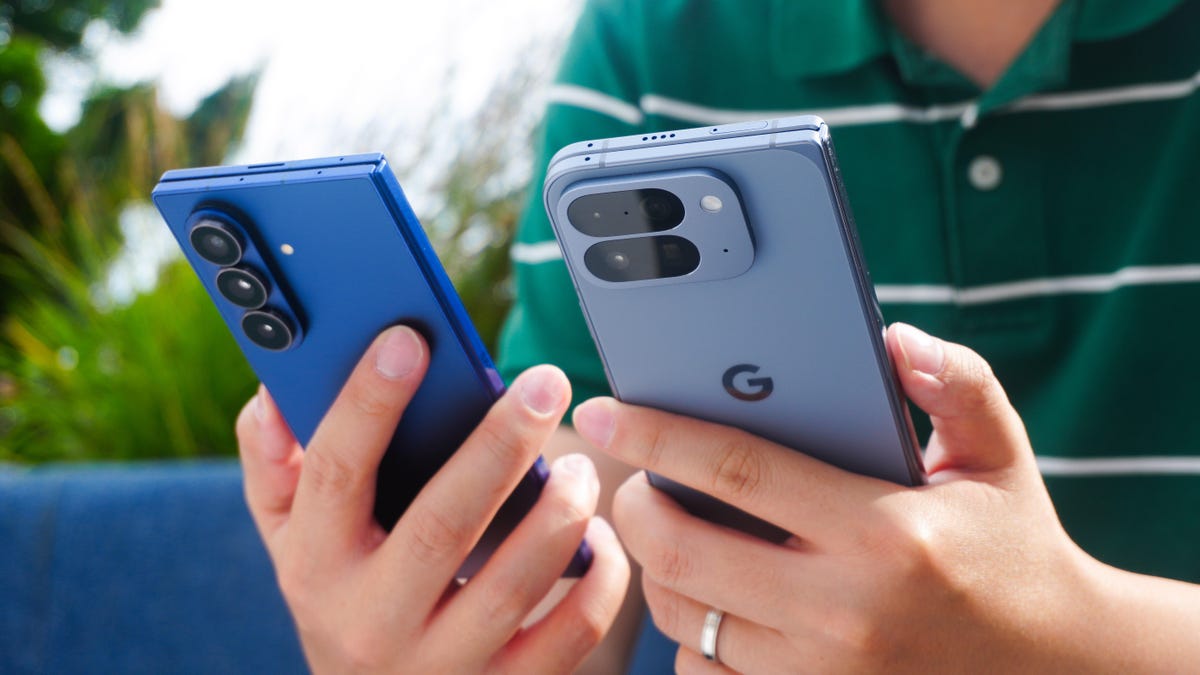
**Google Pixel 11 vs. Samsung Galaxy S26: Which Premium Phone Wins?**
As the tech world gears up for another wave of flagship devices, the rivalry between Google’s Pixel series and Samsung’s Galaxy lineup is set to take center stage. The upcoming Pixel 11 series, launching next week, promises competitive hardware but at a higher price point, challenging its longstanding value proposition. Meanwhile, Samsung continues to push the boundaries of hardware innovation. This article breaks down the key differences, pricing, and what truly matters when choosing between these two premium Android powerhouses.
—
### **ZDNET’s Key Takeaways**
– Pixel 11 prices may rise by $100 or more across the series, challenging their reputation for value.
– Samsung often wins on hardware, while Pixel leads on software.
– Pixel Drops and early Android updates are the real value.
—
### **When Are the New Phones Coming?**
Google has confirmed that the Pixel 11 series will be unveiled during a Made by Google event on **August 12 at 6 p.m. ET**, with preorders likely starting the same day and a retail release expected by **August 20**. Samsung, on the other hand, has already released the Galaxy S26 series and is now turning its attention to the Galaxy Z Fold 8 and Z Flip 8, which are available as of August 7.
—
### **Pixel’s Old Price Advantage Is Gone**
Recent leaks suggest the Pixel 11 will start at **$899**, a $100 increase from the Pixel 10. The Pixel 11 Pro and Pro XL are also expected to rise by $100, while the Pro Fold will carry the same $100 premium but retain the same storage options. These prices now mirror Samsung’s current lineup:
– Galaxy S26: $899.99 (256GB)
– Galaxy S26+: $1,099.99 (256GB)
– Galaxy S26 Ultra: $1,299.99 (256GB)
– Galaxy Z Fold 8: $1,899.99 (256GB)
While the Pixel offers double the storage (256GB vs. 128GB), the gap in pricing has significantly narrowed.
—
### **Let’s Talk Hardware**
Samsung’s Galaxy S26 series boasts impressive specs:
– **S26**: 6.3-inch AMOLED display, 12GB RAM, Snapdragon 8 Elite Gen 5, triple rear cameras including a 3x telephoto lens.
– **S26+**: 6.7-inch QHD+ display, 4,900mAh battery, 45W fast charging.
– **S26 Ultra**: 6.9-inch QHD+ display, 5,000mAh battery, 60W charging, S Pen integration, and a 200MP quad-camera setup.
The Pixel 11, powered by Google’s Tensor G6 chip, focuses on AI-driven performance and computational photography. While Samsung’s Snapdragon chips lead in raw power and faster charging, Google’s custom silicon excels in intelligent features and photo processing.
The Pixel 11 lineup is expected to feature 6.3-inch OLED displays (6.8-inch on the Pro XL), a 4,985mAh battery, and fast charging capable of reaching 55% in 30 minutes. The Pixel 11 Pro Fold, rumored at $1,899, will offer an 8-inch inner display compared to Samsung’s 7.6-inch foldable.
—
### **Software: The Real Advantage**
Where Pixel truly shines is in software. Google’s tight integration of hardware and Android ensures:
– **Early access to Android updates** (e.g., Android 17 rolled out first to Pixel devices).
– **Exclusive features** like Floating App Bubbles, Screen Reactions, and Gemini-powered tools.
– **Pixel Drops**, which bring innovations such as:
– **Gemini Omni**: AI-driven video creation.
– **Magic Cue**: Context-aware actions.
– **Take a Message**: Smart replies for missed calls.
– **Voice Translate**: Real-time translations.
Samsung, while quick to adopt major Android updates, layers its own One UI and services, some of which may feel bloated compared to Google’s streamlined approach. Pixel devices also include six to twelve months of Google AI Pro and Google One storage, adding extra value.
—
### **Is the Pixel Series Still a Good Value?**
The answer depends on your priorities:
– **Choose Pixel if**:
– You prioritize a clean, feature-rich Android experience.
– AI tools, software updates, and exclusive features matter most.
– You value computational photography and seamless integration with Google services.
– **Choose Samsung if**:
– Top-tier hardware specifications (display, battery, processor) are your focus.
– You prefer flexible storage options and faster charging.
– You’re invested in Samsung’s ecosystem (e.g., DeX, Knox).
While the Pixel’s $100 price hike may seem steep, longtime users know that the software experience often justifies the cost. That said, Samsung remains the go-to for hardware enthusiasts.
—
### **FAQ**
1. **Why is the Pixel 11 more expensive this year?**
The increase reflects competitive pricing as Google positions the Pixel 11 closer to Samsung’s premium segment while offering enhanced AI and software features.
2. **Does Samsung or Google offer better software updates?**
Google provides faster and earlier Android updates, along with exclusive features like Pixel Drops. Samsung offers broader compatibility but may lag in timeline.
3. **Which phone has a better camera?**
Both excel in photography, but Google’s Tensor G6 chip is optimized for computational photography, delivering smarter editing and enhanced image processing.
4. **Are Pixel Drops worth the upgrade?**
Absolutely. Pixel Drops bring exclusive AI-driven tools and features that are unavailable on other Android devices, enhancing usability and creativity.
5. **Is the Pixel Fold competitive with Samsung’s foldables?**
Yes. While Samsung offers a larger outer display and longer battery life, Google’s Pixel Fold provides a more seamless software experience and cutting-edge AI features.
—
### **Conclusion**
The Pixel 11 series marks a pivotal shift for Google’s flagship line—priced closer to Samsung’s offerings but retaining its software-driven charm. If you’re a fan of pure Android, AI-powered tools, and early access to innovation, the Pixel 11 remains a compelling choice. However, if raw hardware performance and versatility are your top priorities, Samsung’s Galaxy S26 and Z Fold 8 series continue to impress. Ultimately, the best phone depends on whether you value software magic or hardware mastery.
