



Here is the rewritten HTML content, preserving the layout and structure while clarifying and simplifying the text where possible for easier comprehension:
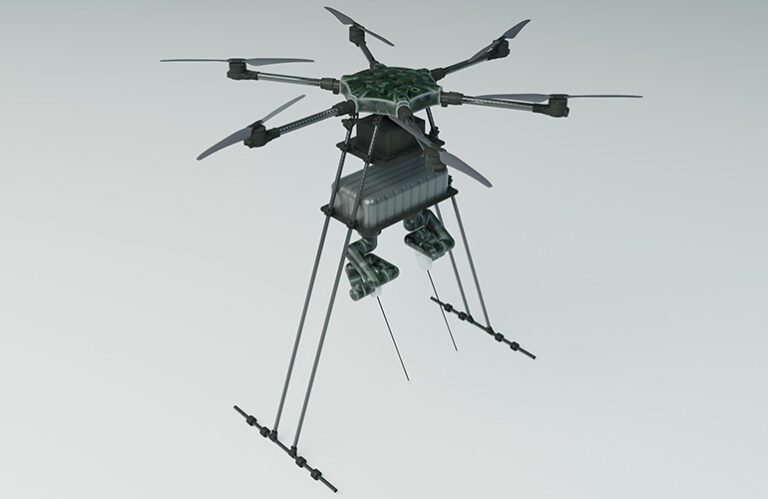
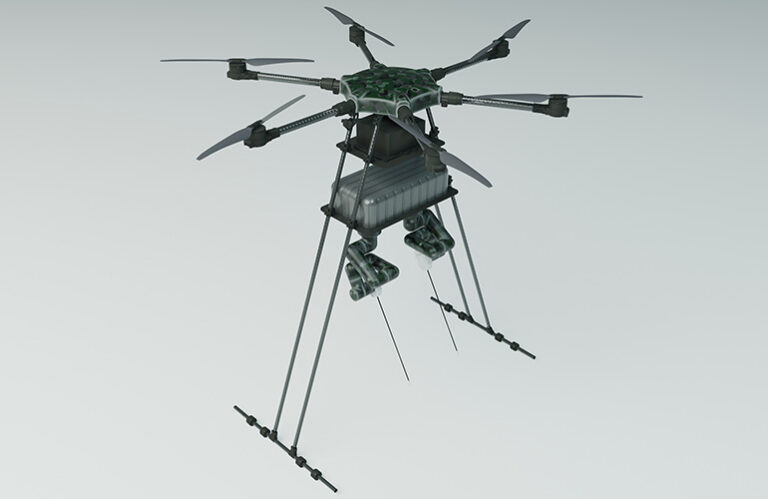
A concept design illustration of the Vimana Aero drone. | Source: SS Innovations
Dr. Sudhir Srivastava, CEO of SS Innovations International Inc., shared that his company aims to have a fully operational flying surgical robot ready by mid-2026.
In April, SS Innovations introduced its conceptual design for the Vimana Aero drone, sparking two main questions: Is it feasible? And if so, what’s the purpose?
Srivastava explained to Medical Design & Outsourcing that the Indian Army approached SS Innovations with a critical issue. Excessive bleeding (hemorrhage) is the top cause of soldier fatalities because wounded personnel often can’t be evacuated from combat zones quickly enough.
Inspired by 1980s DARPA research, Srivastava devised a concept that integrates SS Innovations’ existing surgical robotics and teleconnectivity to drastically shorten the time between injury and medical intervention.
SS Innovations is advancing robotics in healthcare
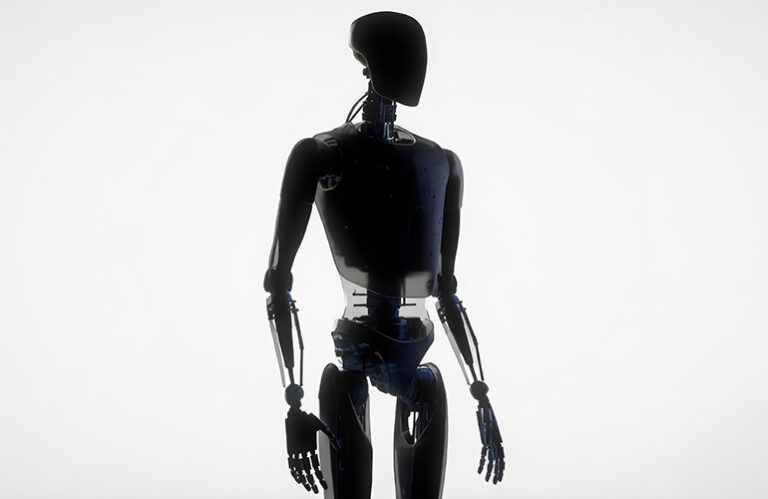
A concept design of the Avtara humanoid robot. | Source: SS Innovations
The drone is just one of several “bold, groundbreaking ideas” from SS Innovations to expand access to telerobotic-assisted healthcare, according to Srivastava.
“The moment you stop innovating, you start declining,” he said. “Science must keep moving forward.”
SS Innovations launched the SSi Mantra surgical robotic system in 2021. Since then, the India-based company has released two newer models, including the SSi Mantra 3, which was recently submitted to the U.S. FDA for 510(k) clearance.
According to Srivastava, the company has installed over 200 SSi Mantra systems, which have collectively performed nearly 11,000 surgeries, including 20 long-distance cardiac telesurgeries. The system has received regulatory approval in 14 countries.
He noted that the Mantra system’s telesurgical capabilities demonstrate very low communication delays, giving the company confidence that the technology can function “anywhere in the world.”
“Our goal is to transform surgical care for patients globally,” he said. “All the necessary technology exists—this can be achieved.”
Surgical robots designed for battlefield emergency care
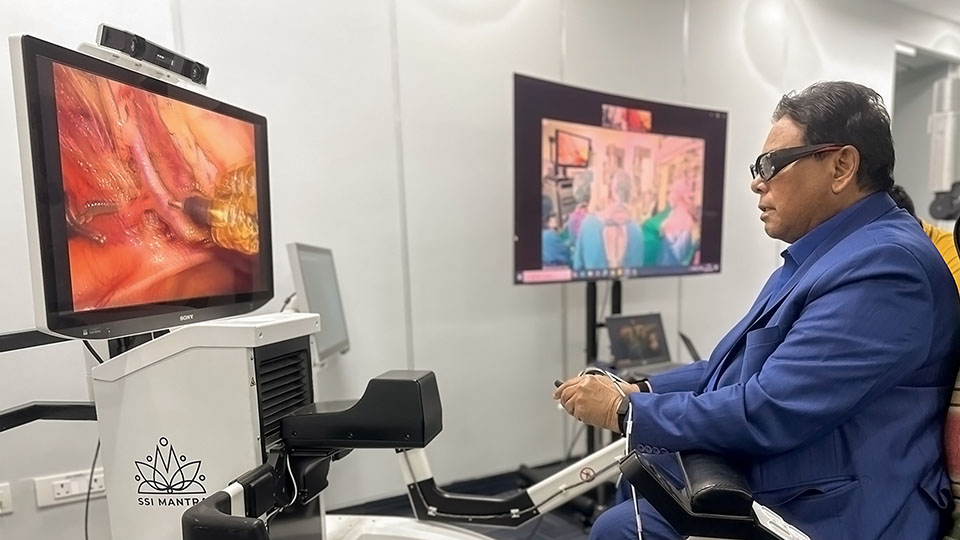
SS Innovations founder and CEO Dr. Sudhir Srivastava performs a remote procedure using the Mantra 3 system. | Source: SS Innovations
As the Mantra system’s telesurgical features continue to advance, Srivastava’s next projects focus on delivering emergency medical care in combat zones. These efforts echo the origins of robotic surgery: Intuitive Surgical and Computer Motion (acquired by Intuitive in 2003) both emerged from DARPA-funded research in the 1980s and 1990s aimed at developing battlefield telesurgery.
SS Innovation’s Vimana Aero system is currently in the concept phase. It consists of a heavy-lift autonomous drone paired with a detachable module equipped with two miniature robotic arms (each with seven degrees of freedom) and 5 mm (0.1 in.) surgical instruments.
In its current design, the fully remote-controlled drone would land near a patient to deploy the detachable unit, allowing a surgeon to remotely perform critical procedures such as controlling bleeding, wound repair, chest decompression, shrapnel removal, and field suturing—helping to stabilize patients until evacuation teams arrive.
“We’ve conducted demonstration flights, but the system isn’t fully functional yet,” Srivastava noted. “I’m hopeful our team can accelerate development, and within two months, we’ll have a working prototype.”
He acknowledged that the main technical challenges are payload capacity and battery life, but added, “Both are solvable.”
“It comes down to drone size, which affects flight duration and payload capacity,” Srivastava explained. “We’re working on smaller robotic arms we can produce, and 3D vision technology—which is readily available.”
Another challenge is the landing environment.
“When drones land, they kick up dust,” Srivastava said. “Our solution involves a detachable unit mounted underneath the drone, allowing it to land away from the patient to avoid contamination.”
Srivastava added that the detachable unit could take the form of a humanoid or a legged robot with arms to carry out remote-controlled procedures. SS Innovations recently announced development plans for its Avtara humanoid robot.
SS Innovations is developing teleoperation capabilities for combat zones
An illustration of the Operion mobile operating room. | Image credit: SS Innovations
SS Innovations is also exploring the creation of compact surgical spaces away from combat zones or within military bases. These facilities would be equipped with robotic surgery systems to treat injured soldiers who have been evacuated from the field.
“In short, surgeons can remotely perform whatever procedures are necessary,” Srivastava explained. “This serves primarily as a last-resort measure to preserve the patient’s life. Following that, the individual is airlifted to a facility where a robotic system is available to continue their treatment.”
Srivastava pointed out that the Vimana Aero drone has potential well beyond military use, offering a way to deliver critical emergency medical support to hard-to-reach locations.
“When natural disasters like earthquakes, floods, or landslides strike, responders often can’t reach affected areas,” he noted. “This technology can make a real difference and will prove highly practical. … I hope we shift our focus and funding toward preserving lives rather than ending them.”
Additionally, Srivastava is working on a concept to transport an operating room directly to patients in isolated regions using the SSi Operion mobile operating room. The proposed design includes a fully functional surgical suite mounted on a truck, featuring suspended surgical tools and remote-operation technology—similar to the U.S. Army’s mobile army surgical hospital (MASH) units.
According to Srivastava, this vehicle-based solution could enhance surgical care on a global scale.
“Roughly 65% of India’s population resides in villages or rural areas with limited access to medical services,” he said. “This challenge isn’t unique to India—it’s a nationwide issue. I believe this approach could serve as a replicable model.”
Editor’s note: This article was originally featured on The Robot Report‘s sister publication Medical Design & Outsourcing.
