



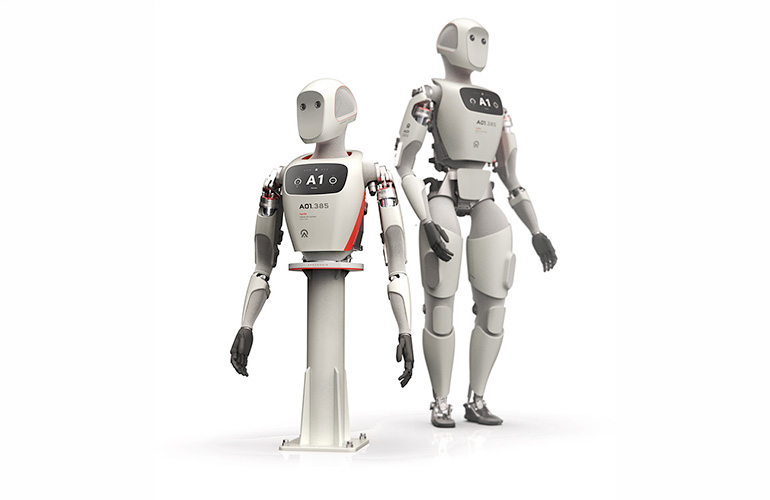
Apptronik is gearing up for a major growth phase as it prepares to manufacture and sell its Apollo humanoid robot. | Credit: Apptronik
Apptronik has taken a clear step forward in its journey from a research-driven startup to a major player in industrial robotics by appointing Daniel Chu, the mastermind behind Waymo’s autonomous ride-hailing launch, as its new chief product officer. By bringing in a proven leader who has successfully moved advanced AI systems from the lab into real-world services, Apptronik is signaling its ambition to make humanoid robots the next big leap in widely accessible, mass-market technology.
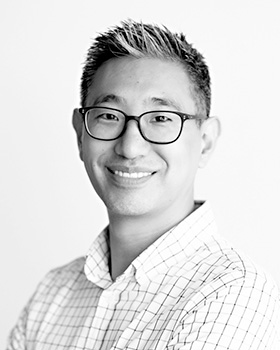
Daniel Chu will oversee Apptronik’s product strategy. | Credit: Apptronik
The hiring of Chu—alongside industry veterans from Amazon, Boston Dynamics, and Paramount+—represents a turning point for the Austin-based company as it shifts gears from a strong R&D operation to an aggressive push into the commercial market. Supported by a recent $985 million Series A round and the imminent unveiling of its flagship humanoid model, Apptronik isn’t only focused on building robots; it’s laying the groundwork to weave general-purpose automation into everything from industrial logistics hubs to the future of eldercare.
Chu’s background positions him perfectly to steer Apptronik’s long-range product strategy as the company moves first toward deploying general-purpose robots in factories, and later expanding into healthcare and eventually home settings.
During his tenure at Waymo, Chu was instrumental as chief product officer. He played a central role in shaping the company’s product division and was a key leader in launching the world’s first fully autonomous ride-hailing service. This firsthand experience in ensuring the safety and reliability of self-driving systems is vital as Apptronik works to scale its humanoid robot platform.
Most recently, as chief product officer at 23andMe, Chu focused on pioneering individualized medicine, managing how complex genetic data could be translated into meaningful consumer health insights. Apptronik highlighted that this healthcare expertise is crucial to its vision for assistive care and eldercare, where robots will ultimately provide the essential support needed for an aging population to maintain dignity and independence in their daily lives.
“We’re at a decisive crossroads in robotics, where the technology has finally caught up to the scale of the challenge,” noted Jeff Cardenas, co-founder and CEO of Apptronik. “Adding Daniel Chu to our team is a critical move. His rare combination of experience in scaling both cutting-edge autonomous systems and human-focused health platforms is exactly what we need to develop the next wave of AI-driven robots and advance toward our ‘North Star’ goal of assistive care and eldercare.”
“Our expanded leadership team brings together top talent from the companies that defined the last decade of tech, and they’ve come to Apptronik to shape the next one,” Cardenas added. “We have the expertise, the technology, and the drive to bring AI-powered humanoid robots to the world at scale.”
Chu excited for the next step in physical robotics
When asked, “What excites you about humanoid robotics?” Daniel Chu shared with The Robot Report: “I’ve always been pulled toward frontier technologies that hold the potential to create a substantial, positive global impact. I’ve been privileged to collaborate with teams at Waymo to tackle the challenge of road safety, and at 23andMe to forge a path toward personalized, preventative healthcare.”
“Humanoid robotics opens up a similar, yet entirely new, frontier: embodied AI,” he elaborated. “We’re moving past software confined to screens toward a universal platform that can physically engage with our surroundings. What excites me most about this prospect is the ability to use this technology to enhance the human experience in a novel way—by lifting the physical and logistical burdens we’ve often simply accepted as part of everyday life.”
“By creating robots capable of handling physically strenuous or dangerous jobs, we can dramatically cut down workplace injuries in industrial environments,” stated Chu. “These same abilities then open the door to support in other critical fields, such as healthcare and eldercare, where robots can take over repetitive and time-consuming duties so that professionals can concentrate on what they do best: providing care and building connections.”
He emphasized that “The core challenge in robotics has always been generalization. Historically, robots were confined to narrow tasks in controlled settings. We’re now at a transformative stage because advancements in artificial intelligence are at last enabling robots to generalize and adapt to unpredictable, human-centric environments.”
“This leap in software capabilities is being matched by major improvements in hardware,” noted Chu. “We finally possess the physical components and battery efficiency needed for these machines to move smoothly and operate reliably throughout an entire workday. When you pair that hardware readiness with today’s AI breakthroughs, you see a clear shift from rigid, task-specific automation toward flexible, general-purpose robotics. While there’s still a long road ahead, we now have the essential fundamentals to start moving these systems beyond the laboratory and into real-world testing.”
Chu explained that he’s drawn to his new opportunity because “Apptronik has a distinct edge; they have been leaders in this space well before the current wave of global investment and attention. That long history has cultivated a deep well of robotics expertise and a uniquely resilient team culture. They’ve done the hard work through every phase of the industry’s growth.”
“But what truly resonated with me was their unwavering dedication to the right mission: robots that serve humanity,” he emphasized. “While we’re making remarkable strides in industrial applications right now, Apptronik has always viewed those achievements as the initial steps toward a far larger purpose. Whether it’s preventing injuries at a loading dock today or assisting healthcare teams and offering companionship in eldercare settings in the future, Apptronik is building toward a tomorrow where technology makes life better for everyone.” Jeff has put together a world-class team that is developing an exceptional product and is
dedicated to a mission that aligns with my personal values.”
Editor’s note: The upcoming Robotics Summit & Expo in Boston will feature sessions on healthcare robotics, humanoids, and AI. Sign up now to join.

Apptronik Strengthens Leadership Team
Alongside Chu, Apptronik has brought on several executives to round out its management team:
- Kevin Garell, Senior Vice President of Services and Support – Garell previously led worldwide services and support at Boston Dynamics, specializing in building the infrastructure needed to deploy robots in real-world environments. He was instrumental in guiding Boston Dynamics’ shift from a research-focused company to a full-scale commercial enterprise.
- Chirag Shah, Vice President of Software – As a former software executive at Amazon working on Kindle and Alexa+, Shah managed global teams in developing AI-powered, multimodal experiences for devices like Kindle, Scribe, and Echo. He brings extensive expertise in embedded systems and AI-driven software platforms that connect digital intelligence with physical interaction.
- Dave Perry, Vice President of Marketing – An Emmy award-winning digital strategist and former executive at Paramount+ and Amazon, Perry is renowned for building globally recognized brands. He has a strong track record of developing innovative, world-building consumer campaigns for major franchises including Star Trek and Halo.
- Justin Birtz, Vice President of People Operations – A seasoned people and culture leader, Birtz has directed people operations at Cellino, a pioneer in personalized regenerative medicine, and at iconic robotics company iRobot. He offers specialized experience in scaling high-performance teams within top robotics and healthcare technology organizations worldwide.
