



# Spoiled Stock and Stolen Data: The Real Cost of Outdated Smart Fridges in Supermarkets
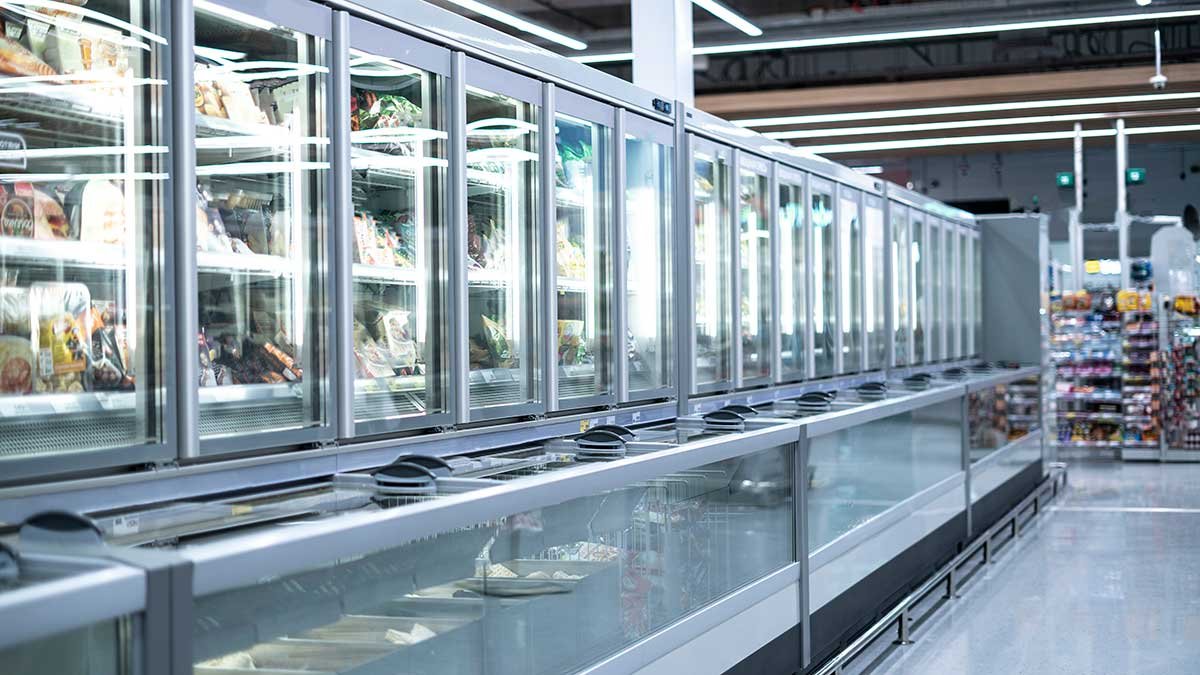
Major grocery chains across France recently fell victim to a cyberattack that turned their freezers into ovens. Hackers manipulated the refrigeration software controlling the cold storage units, forcing temperatures to soar to 50 degrees Celsius for several hours overnight. The result was devastating: millions of euros worth of spoiled food and damaged equipment across hundreds of stores belonging to major retailers.
The attack targeted software created by a Danish engineering company. The vulnerability stemmed from the fact that the compromised refrigeration units were older models that had already stopped receiving security updates years ago. When a manufacturer ends support for a device, it stops receiving patches for newly discovered bugs, leaving it completely exposed to known exploits.
Security researchers explain that these smart cooling systems are often left dangerously exposed to the public internet. They frequently rely on factory-default passwords, weak authentication methods, or predictable access codes. Without proper firewalls or network separation, a remote attacker can easily send malicious commands to the machinery. Once the signal is sent, the equipment simply obeys, even if the command is destructive.
This incident highlights a dangerous blind spot in modern business operations. Many retail owners assume that when they purchase internet-connected equipment, the security is already handled by the installer or manufacturer. In reality, the burden falls on the shop owner to actively manage and secure the device once it is plugged in. Smaller businesses, in particular, often lack dedicated security teams, leaving these vulnerable gadgets completely unmonitored and easily exploitable.
The supermarket breach is a warning sign for the entire Internet of Things (IoT) and Operational Technology sector. The same types of outdated, unpatched chips and software are found in medical devices and vehicles. Experts warn that relying solely on external network walls is not enough; devices themselves need built-in safeguards that verify whether a command is safe before executing it.
### FAQ
**Q: Why were the supermarket refrigeration units so easy to hack?**
A: The units were running on older software that had already stopped receiving security patches. Additionally, they were directly connected to the internet with weak factory-default passwords and lacked network barriers to stop outside access.
**Q: Who is responsible for securing these types of connected devices?**
A: While manufacturers must build secure products, the business owner is ultimately responsible for maintaining and securing the equipment once it is installed. This includes changing default passwords, isolating the devices from the public internet, and monitoring for unusual activity.
**Q: Can this type of vulnerability affect other everyday devices?**
A: Yes. Similar weaknesses exist in any internet-connected operational technology, including vehicles and medical equipment. If a device lacks regular updates and proper network segmentation, it can be exploited by malicious actors, regardless of its primary function.
### Conclusion
The supermarket refrigeration attack serves as a stark reminder that our connected world is only as secure as its weakest, oldest link. As businesses continue to rely on internet-enabled machinery, ignoring the end-of-life status of these devices is a recipe for disaster. Protecting physical infrastructure requires a shift in mindset: companies must stop treating security as a factory-installed feature and start treating it as an ongoing responsibility. Replacing outdated hardware, enforcing strict network separation, and verifying every command sent to vital equipment are no longer optional—they are essential for survival.
Thank you for reading
