



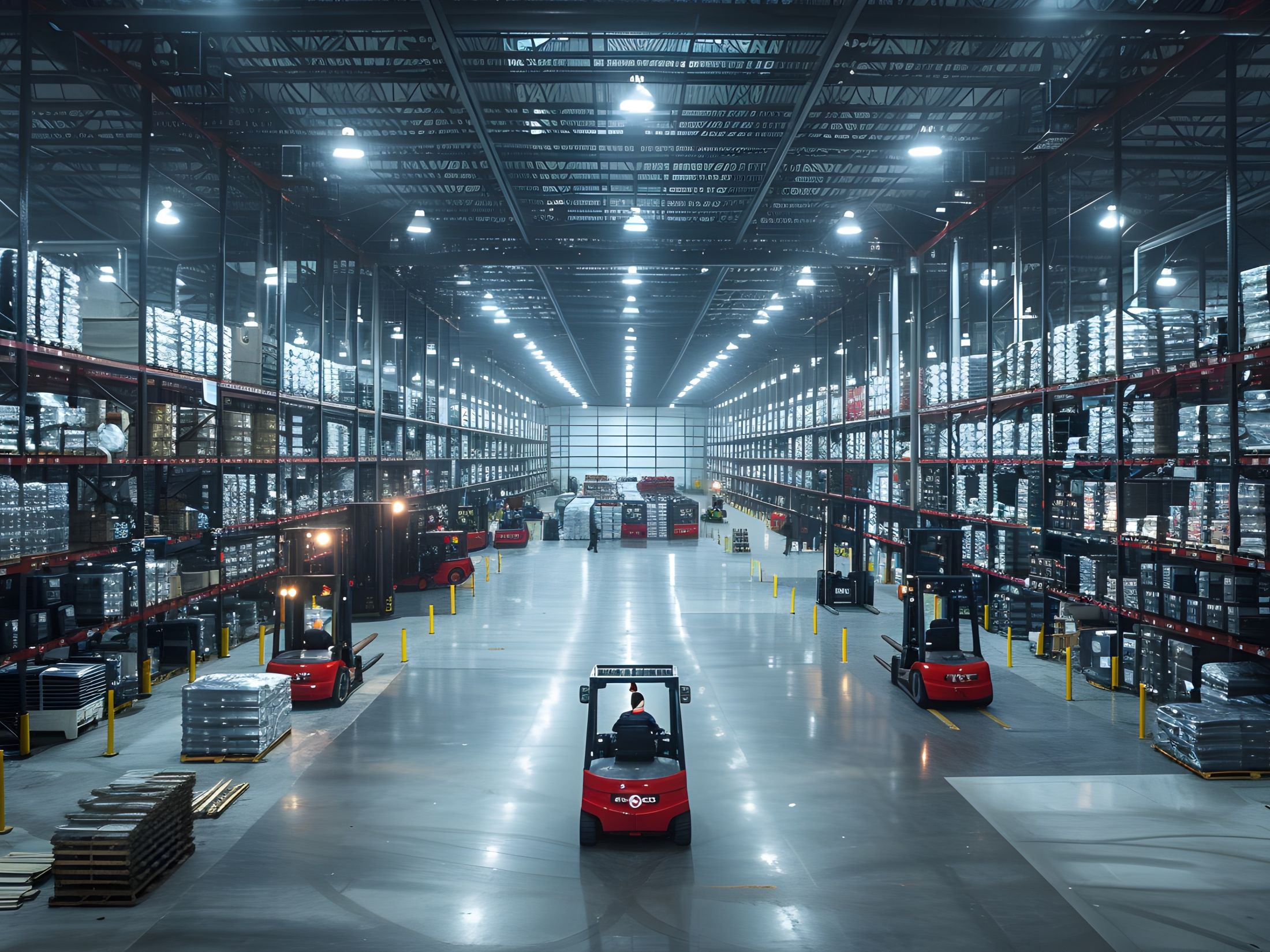
The landscape of logistics is undergoing a significant transformation, as research indicates that automated intelligence systems in distribution centers now operate across four distinct tiers. This shift marks a move from experimental software trials to fully integrated, live facility deployments. The industry has crossed a clear adoption threshold, driven by three concurrent pressures: severe workforce shortages, the emergence of software models with reduced upfront financial barriers, and the simultaneous maturation of autonomous machinery and underlying algorithms to production-grade reliability.
When evaluating these emerging systems, analysts focus on two primary performance axes: the sophistication of their intelligence and their direct orientation toward physical operational actions. Successful implementation requires clear system visibility so that supervisors can understand the automated reasoning happening on the floor. Human staff must seamlessly work alongside these tools to address specific facility challenges.
Advanced Optimization and Generative Planning
Traditional mathematical models have evolved beyond rigid heuristics and static spreadsheets. Modern calculation engines now intake real-time telemetry from the warehouse floor to direct operations. These refined algorithms apply to four core workflows: demand forecasting, shift planning, travel routing, and stock placement. By recalculating inventory movements in real-time as order profiles shift, these systems curb operational expenditure and boost physical asset productivity. Crucially, the underlying logic preserves deterministic audit trails required for regulatory compliance.
Furthermore, machine learning models now interpret unstructured facility data alongside traditional tabular logs. Operational generative systems parse equipment maintenance records, vendor delivery receipts, and incident tickets to compile dynamic documentation. When unexpected supplier delays disrupt standard schedules, software agents can instantly generate updated standard operating procedures and picking instructions. Floor supervisors receive real-time exception-handling guides directly on handheld terminals. Instead of searching through static manuals during equipment faults, technicians can access context-specific repair instructions drawn from historical maintenance archives.
Semi-Autonomous AI Agents and Physical Warehouse Automation
On the software side, autonomous agents handle complex workflows by pairing analytical evaluation with human validation. These systems actively inspect active floor queues, reassign picking tasks, and redistribute machinery across loading bays. Human managers retain manual override authority over high-value decisions; the software presents recommended sequences, but floor supervisors confirm the dispatch order before execution begins. This shared supervisory framework prevents workflow interruptions while accelerating response times to dock congestion.
Physical automation integrates machine learning directly with industrial robotics and spatial sensors. These autonomous systems execute picking, packing, parcel sorting, and pallet transit across loading bays, maintaining high positional accuracy across multi-shift schedules. Deployment teams report steadier item velocity and fewer physical injuries in palletizing zones. Automated equipment helps logistics directors maintain volume commitments despite severe regional hiring deficits.
A practical approach to integrating these technologies involves establishing steady operational baselines by deploying proven inventory optimization tools first. As workforce familiarity with algorithmic systems matures, operations teams can subsequently introduce agentic assistants and autonomous lift trucks.
FAQ Section
What are the main drivers behind the adoption of AI in warehouse logistics?
Three primary factors are fueling this shift: persistent worker deficits that make automated systems mandatory for daily operations, the lowering of initial capital requirements for software solutions, and the achievement of production-grade reliability in both underlying algorithms and autonomous machinery.
How do generative planning systems assist floor supervisors during supply chain disruptions?
These systems interpret unstructured data like maintenance records and vendor receipts to instantly generate standard operating procedures and updated picking instructions. Supervisors receive real-time, context-specific exception-handling guides on handheld terminals, rather than having to rely on outdated static manuals during equipment faults or scheduling delays.
What is the role of human oversight in semi-autonomous warehouse operations?
Human oversight remains critical for high-value decision-making. While software agents propose operational sequences—such as reassigning picking tasks or redistributing machinery across the facility—human managers must confirm dispatch orders before execution begins. This ensures a shared supervisory framework that prevents workflow interruptions while still accelerating response times to issues like dock congestion.
What is the recommended approach for facilities adopting physical robotics and AI?
Industry experts recommend a pragmatic, phased approach. Facilities should first tackle proven use cases, such as labor forecasting and inventory slotting, to establish steady operational baselines. Once staff familiarity with algorithmic systems grows, they can gradually expand into generative AI and physical automation, such as autonomous lift trucks and robotic picking systems.
Conclusion
The transition of warehouse automation into four distinct operational tiers represents a fundamental evolution in logistics infrastructure. By balancing advanced algorithmic optimization with physical robotic systems, facilities can overcome severe workforce shortages and maintain high productivity levels. As these technologies continue to mature, the focus remains squarely on creating an intelligent, adaptive, and resilient warehouse environment where human expertise and machine efficiency work in harmony to meet modern supply chain demands.
Thank you for reading
