



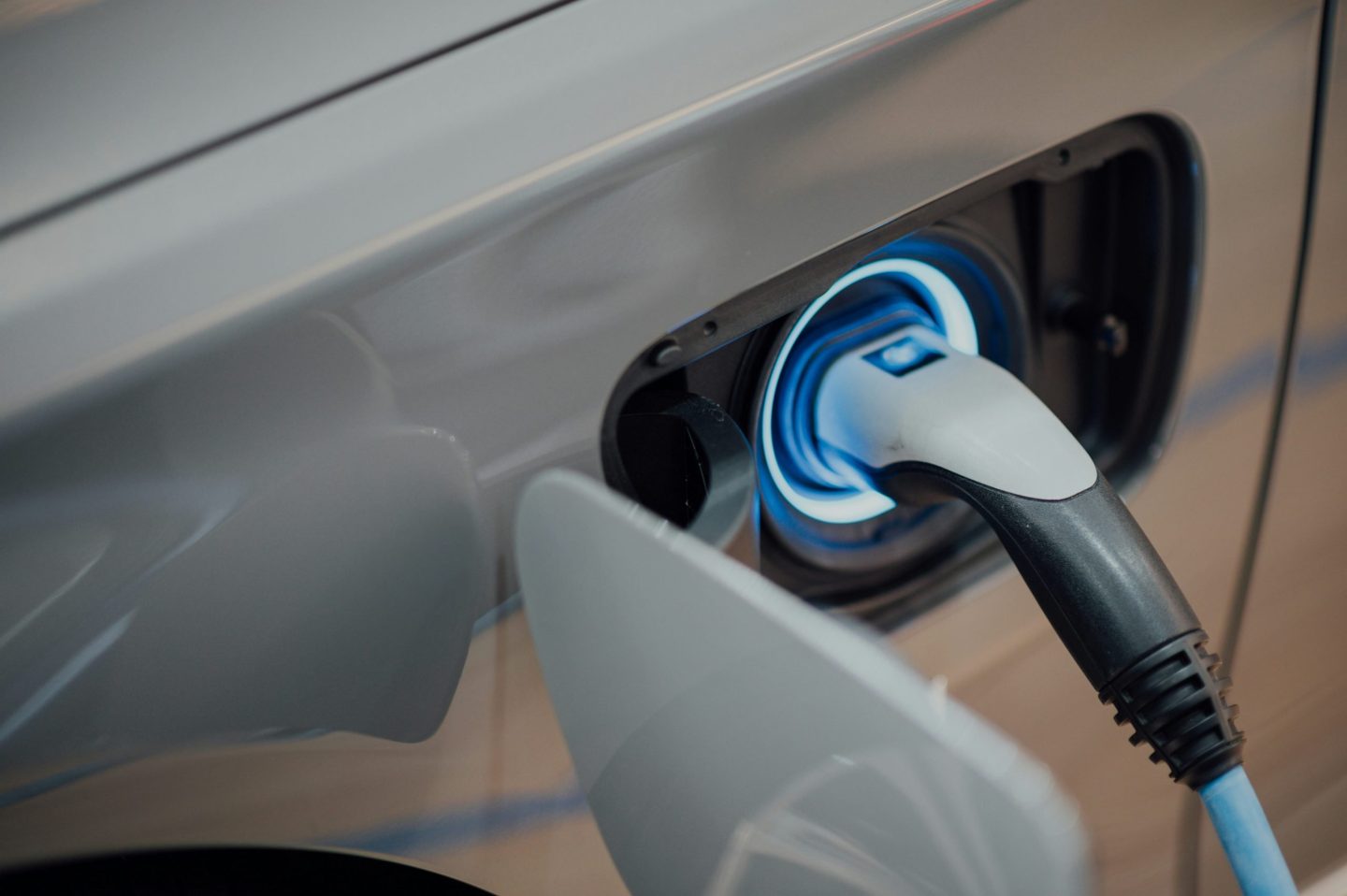
A recent Driivz report highlights how EV charging operators are increasingly focusing on network reliability and charger usage.
The 2026 State of EV Charging Network Operators Report draws on input from 300 senior EV charging professionals across North America and Europe. According to Driivz, the growing priority for uptime and efficiency – over and above the expansion of charging infrastructure – signals a move towards what the company terms “intelligent profitability.”
Respondents work for firms in the US, Canada, Germany, France, the Netherlands, the UK, and Norway. Senior professionals from areas such as IT, operations, product, business development, strategy, e-mobility, and roaming took part in the survey.
Reliability Earns Top Spot
Charger reliability and stability was selected by 59% of operators as the industry’s most pressing issue – the first time that energy constraints has not topped the list in the report’s history.
However, site energy constraints remains a major concern, with 48% of respondents citing it. While this was the top challenge in last year’s survey, charger reliability and stability has now moved ahead of it.
An increase in charger utilisation was rated as the number one profitability driver by 59% of respondents – the same percentage as chose reliability. In addition, 47% stated that 24/7 network availability is a priority for enhancing the charging experience in 2026.
Network uptime and reliability also featured among factors expected to drive profitability in the next 12 months – as mentioned by 44% of respondents. The report notes that solid uptime is needed to underpin higher utilisation levels.
Predictive Maintenance Gains Momentum
Where AI can support network operations, predictive maintenance stands out for many operators. Some 69% ranked predictive maintenance as a leading AI use case for operational improvements.
Anomaly detection came out slightly higher at 72%, while pricing optimisation was chosen by 70% of operators. Other AI-related topics in the report include demand charge reduction and network planning.
The report ties predictive maintenance to the operational data emitted by chargers and related energy systems. Operators rely on this data to remotely detect faults and diagnose equipment issues. It can also help flag abnormal performance before chargers drop offline.
Maintenance is intertwined with cost reduction. Results show that 52% of respondents plan to enhance network monitoring and automation in 2026, and another 52% intend to boost maintenance efficiency.
Energy management is another lever for controlling costs, with 60% opting for smart energy procurement and load management to trim expenses in 2026.
According to Driivz CEO Shiri Levi-Laor, the EV charging industry is shifting from deployment to operational intelligence. She notes that reliability and utilisation – alongside driver experience and data quality – are becoming central to network operations.
Data Quality Holds Back AI
The report details hurdles to broader AI adoption, starting with data – or rather the lack of it. Roughly 63% pointed to insufficient data quality or limited availability. Close behind, 62% flagged integration complexity with current systems and vendors, while 55% cited cost or unclear ROI.
Larger networks appear particularly focused on reliability. Among these operators, 73% named uptime and stability as a primary challenge.
Availability continues to shape planned investments in driver experience. Driivz found that 47% of operators intend to invest in 24/7 network stability and availability in 2026. Priorities also include seamless authentication (43%), flexible payment options (37%), and fast charger numbers (32%).
Charger availability therefore tops the list of planned investment areas for improving the charging experience ahead of authentication and payment flexibility.
Cybersecurity Readiness Under Scrutiny
The report also explores cybersecurity readiness across network operators. Some 64% describe their cybersecurity readiness as “robust” or “very robust.”
However, Driivz cautions that some operators still fall short in areas such as fraud detection, 24/7 threat monitoring, encryption controls, and vulnerability scanning. These weaknesses sit alongside other security measures already deployed by charging networks.
Driivz said it processes over four billion data points across 100 terabytes of global charging data – including operational insights from charging networks.
(Photo by CHUTTERSNAP)
See also: IoT scaling challenges slow deployments at enterprise scale

Want to learn more about IoT from industry leaders? Check out IoT Tech Expo taking place in Amsterdam, California, and London. The comprehensive event is part of TechEx and is co-located with other leading technology events, click here for more information.
Internet of Things News is powered by TechForge Media. Explore other upcoming enterprise technology events and webinars here.
