



Terry Gerton It feels like we can finally breathe a sigh of relief—DHS funding is back after a 76-day lapse. But honestly, this doesn’t feel like a satisfying resolution. For one, we’ll be right back here in five months. So, Mitchell, walk us through how this final deal actually came together.
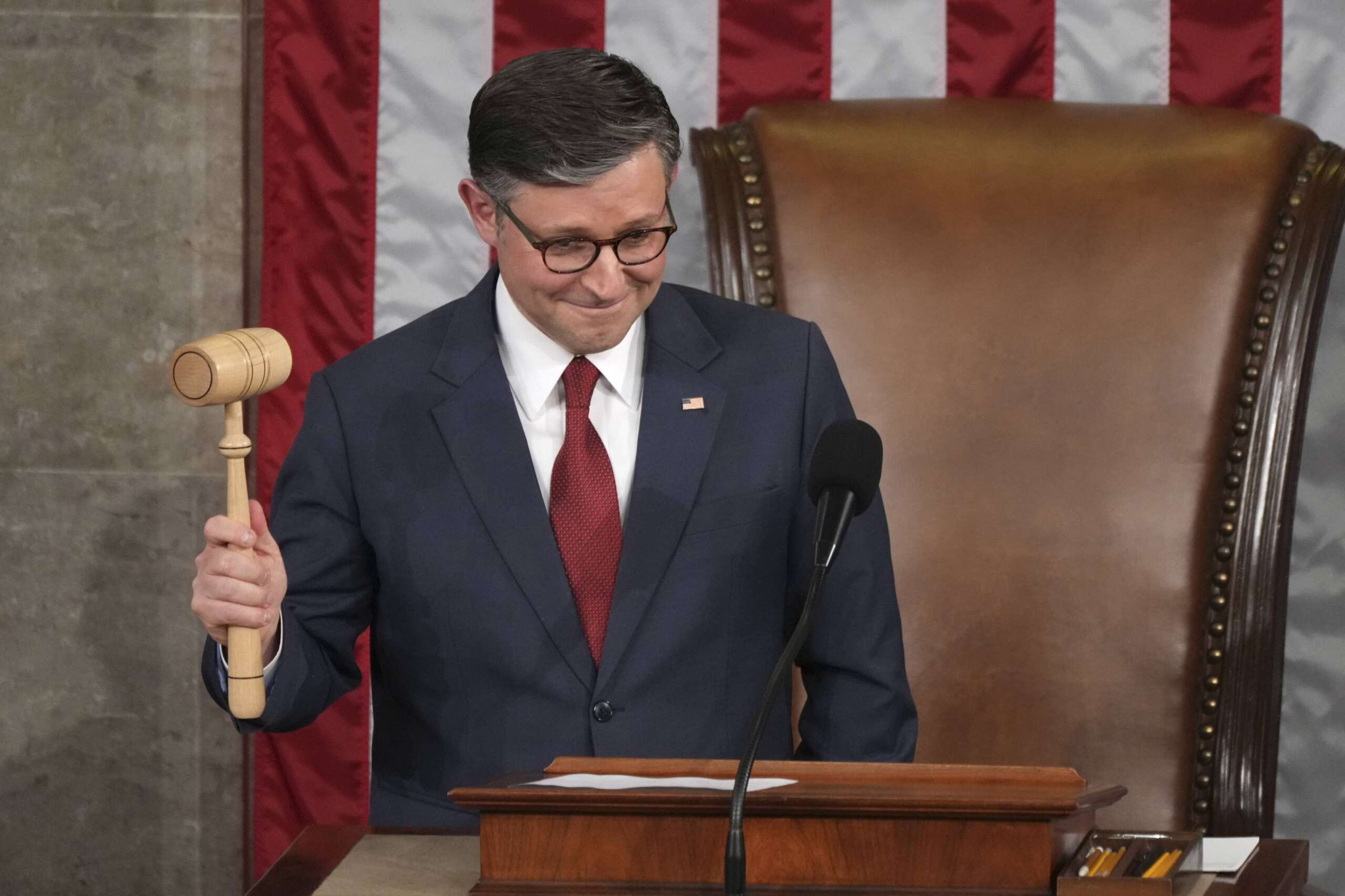
Mitchell Miller This was truly unprecedented, even by Congress’s standards. I’ve never seen anything quite like it. Here’s the thing: 35 days before the House finally passed the DHS funding bill by voice vote to end the partial shutdown, the Senate had already approved the exact same bill—also by voice vote. At the time, House Speaker Mike Johnson dismissed it as a joke, trying to rally his conservative members by insisting they’d handle it themselves. But as weeks dragged on, Senate Majority Leader John Thune—a notably composed figure—made it increasingly clear he was losing patience with the House’s refusal to act, despite the Senate having already passed the bill. The House kept insisting on separating ICE and border protection funding, which the Senate actually agreed with. So after 76 days, we ended up right where we started—a deal that was available all along. And that’s not just Democrats saying so; some Republicans echoed that too. Now, the Speaker argued they needed to untangle other agencies and address various concerns, but it’s remarkable this dragged on so long without resolution. When you step back and ask who won and lost—both sides will point fingers—but the real losers are the tens of thousands of federal workers who went without pay, and the Americans who depend on their services. These people were left hanging for weeks. The only reason they got paid recently is because the administration redirected funds. A few things finally pushed this over the edge: the White House got more involved, with President Trump saying he wanted it done, and DHS Secretary Markwayne Mullin warned they’d run out of money within days. So multiple factors forced action—but this was hardly a proud moment for Congress.
Terry Gerton You’re absolutely right, Mitchell. Several DHS agencies are now way behind on critical operations, many tied to national security. It’s hard to call anyone a winner here. But how does this tie back to the core political fight—the push for reforms at Customs and Border Protection and ICE?
Mitchell Miller That’s the fascinating part. Objectively, Democrats triggered this standoff. They argued that after fatal shootings linked to border enforcement, ICE needed serious reforms—things like body cameras, mask policies, and new operational guidelines. They held firm on that for weeks. And they’re still pushing for those changes. Republicans counter: “You forced a shutdown and got nothing.” And honestly? There were no major reforms—just a couple minor tweaks in the original bill. Democrats didn’t achieve their goals, except they can tell their base, “We fought for this.” Republicans, meanwhile, can blame Democrats for starting the crisis—but they also need to restore some normalcy, because right now, the House and Senate are just trading blows over these bills. Going forward, Republicans will likely unite through reconciliation to secure the $70 billion they want for ICE and border security over three years. But other tensions are already bubbling up that we’ll dig into later.
Terry Gerton Mitchell Miller is WTOP’s Capitol Hill correspondent. Mitchell, we’ve touched on the national security fallout from this standoff. Let’s pivot to another angle: Defense Secretary Hegseth was on Capitol Hill last week, briefing both chambers on the Iran conflict. What stood out?
Mitchell Miller These were intense hearings. Both the House and Senate Armed Services Committees grilled the secretary repeatedly: What’s the endgame? What’s actually happening with Iran’s nuclear program? Hegseth pushed back hard, insisting they’ve done exactly what the president asked and demanding, “Why aren’t you supporting us?” From his view, they’re being undermined—not just by Democrats, but by Republicans too. Now that we’re past the 60-day War Powers Act window, even some GOP lawmakers are saying Congress must weigh in. But the administration is playing semantic games: they claim the 60-day clock hasn’t expired because there’s been a ceasefire for weeks, so the timer is paused. Lawmakers aren’t buying it. In fact, just last week, the administration declared the war “terminated.” But this isn’t going away. The Strait of Hormuz remains a flashpoint, and oil and gas prices keep swinging wildly. The administration can’t just say “ceasefire, it’s over” and move on.
Terry Gerton Right—and both sides are now talking about War Powers votes or new military force authorizations. Is any of this gaining real traction now that we’re past the 60-day mark?
Mitchell Miller A few weeks ago, I’d have said no. But now? It’s gaining momentum. Alaska Senator Lisa Murkowski said just last week that action is overdue now that we’re in the 60-day window. Maine Republican Susan Collins joined Rand Paul as the only GOP senators to vote with Democrats on a War Powers resolution—even though it failed. And Democrats plan to keep pushing this issue when—
Terry Gerton With lawmakers returning to Capitol Hill, I expect we’ll see growing momentum around Congress taking a more active role on this issue.
Terry Gerton Another key national security topic gaining traction on Capitol Hill is the FISA reauthorization bill—particularly Section 702, which has sparked significant debate, especially in the House. It now appears the legislation may finally be advancing.
Mitchell Miller Indeed, the trajectory of the FISA bill—and especially Section 702—has been fascinating to watch. Once a vocal opponent of reauthorization, House Judiciary Chair Jim Jordan notably shifted his stance this time around, publicly urging approval during floor debate. Thanks in part to Speaker Mike Johnson’s leadership amid his razor-thin majority, the House managed to pass a three-year extension. However, the Senate initially declared the bill “dead on arrival,” partly due to a controversial provision that would block the Federal Reserve from creating a central bank digital currency—a separate but politically charged issue. Such tangential disputes often overshadow the core purpose of major legislation. In response, the Senate approved a 45-day extension to buy more time for negotiations. What we’re really seeing here reflects a recurring dynamic: Speaker Johnson, facing constant legislative gridlock, pushes bills through quickly and hands them off to the Senate, essentially saying, “Your turn.” But Senate Majority Leader John Thune has made clear he’s uncomfortable with that approach. This underlying tension between the chambers will likely shape legislative strategy in the months ahead.
Terry Gerton Both chambers are on recess this week—but are they truly stepping back? Is this a chance to ease tensions, or is important work still happening behind closed doors?
Mitchell Miller Honestly, I think many members are just relieved to leave Washington for a bit. While public frustration and political friction often dominate the headlines, sometimes stepping away is exactly what Congress needs. Critics may complain about frequent recesses—it does seem like they’re always on break—but behind the scenes, substantive work continues. When lawmakers return, we’re likely to see a flurry of committee markups on key spending bills, including those covering Commerce, Justice, and the Legislative Branch. Despite the ongoing DHS shutdown consuming much of the spotlight, congressional staff are quietly laying the groundwork to restore some legislative normalcy. That said, their efforts are complicated by the looming midterm elections later this year. Right now, many members are probably more focused on campaigning than on the detailed policy work their staff are advancing behind the scenes.
Copyright © 2026 Federal News Network. All rights reserved. This website is not intended for users located within the European Economic Area.
