



**The Hidden Foundation: Why Cement Security Matters for National Resilience**
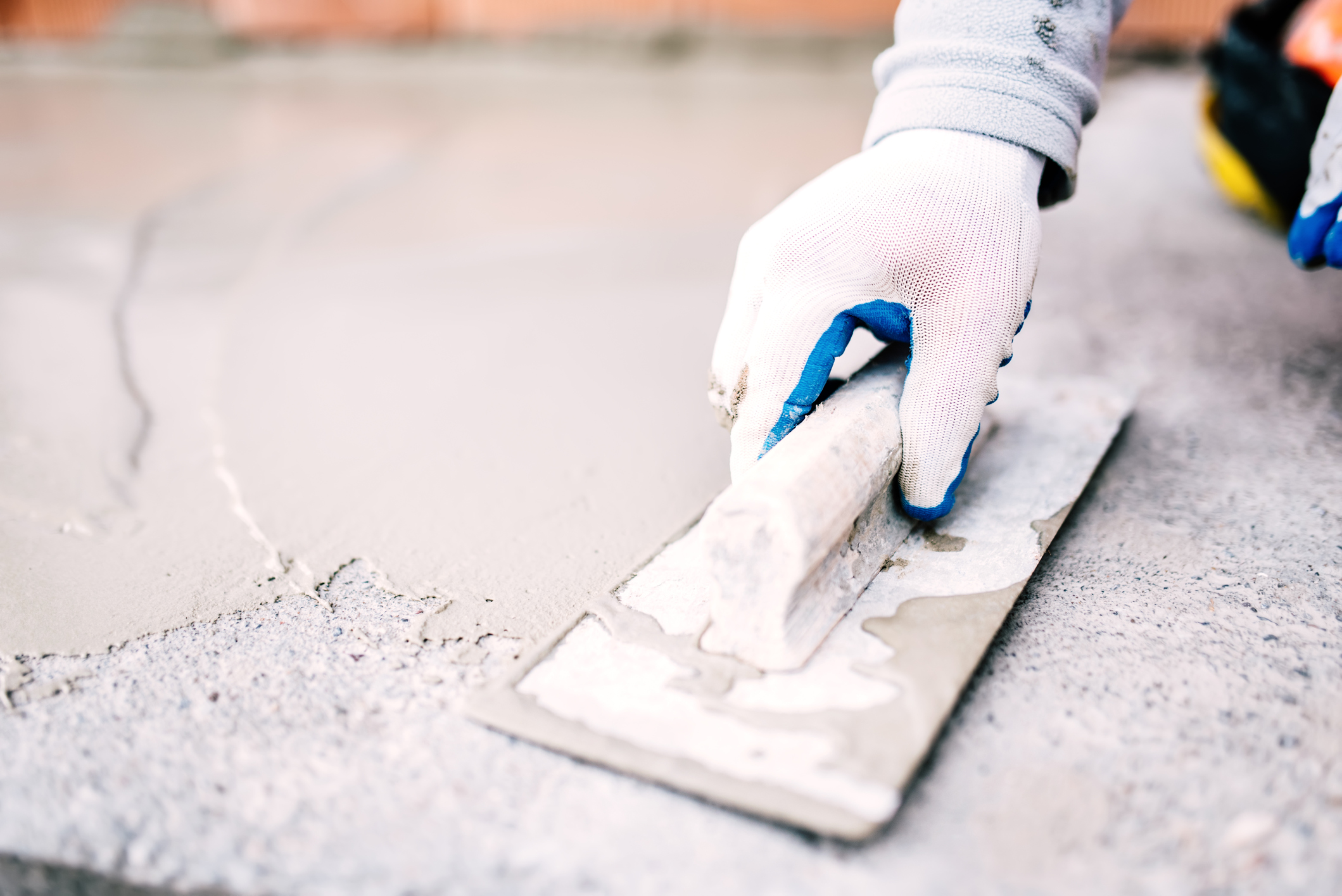
In our daily lives, we often overlook the materials that form the bedrock of our infrastructure. Cement, the binding agent in concrete, is one such material. It’s as common as dirt or sand, yet it is a manufactured product critical to every building, road, and runway we depend on. A recent discussion between industry expert John Teichert and Eric White highlights a growing vulnerability in U.S. national security and economic stability: our reliance on imported cement for military and critical construction projects.
For decades, the United States has shifted from being nearly self-sufficient in cement production to importing over 22% of its needs. This shift raises serious questions about the reliability, safety, and responsiveness of foreign supply chains, particularly for high-stakes military applications. “Cement is literally under our feet every single day,” Teichert argues, “and we need to make sure that the policy matches the necessary foundational elements of our country.”
### The Military Construction Imperative
Military bases and defense infrastructure demand nothing less than perfection. Unlike commercial projects, where failure might mean financial loss, military construction failures can compromise national security. Substandard cement can lead to weak foundations, compromised runways, and unsafe hardened facilities—critical assets that must withstand both natural disasters and conflict.
Teichert warns of real-world consequences, citing the example of toxic drywall from China that contaminated thousands of U.S. homes. “We’ve seen horror stories of basic fundamental elements of construction that come from overseas that are either not responsive, not reliable, or unsafe,” he says. In military contexts, such compromises are unacceptable.
### Why Did Cement Almost Miss “Buy America” Protections?
One of the most pressing issues identified in the discussion is why cement was omitted from federal “Buy America, Build America” policies. According to Teichert, the oversight wasn’t malicious—it was a product of cement being “so basic that it is taken for granted.” While iron and steel dominate policy discussions, cement’s foundational role is often overlooked.
“This isn’t about just keeping dollars at home,” Teichert explains. “It’s about ensuring that when we compete on a level playing field, American workers and companies can win.” He advocates for two key solutions:
1. **Inclusion in Buy America, Build America** to ensure federal procurement favors domestic cement.
2. **Section 301 investigations** to address anti-competitive practices, such as foreign companies dumping low-quality cement at prices that undermine U.S. producers.
### National Security in the Age of AI and Data Centers
The conversation extends beyond bricks and mortar into the realm of emerging technologies. The explosive growth of data centers—essential for AI, cloud computing, and digital infrastructure—relies heavily on cement. “All of the centers require a large dose of cement,” Teichert notes. “If it starts to crumble or introduces toxins, we lose the primary economic driver of the next decade.”
From a national security perspective, cement is not just about static defenses. It’s about ensuring that runways, ports, roads, and digital infrastructure remain robust in an era of increasing global competition.
—
### FAQ
**1. Why is cement considered a national security issue?**
Cement is a foundational material for military bases, runways, hardened facilities, and infrastructure like roads and railways. If compromised, it can threaten both physical safety and operational readiness. Additionally, cement supports critical industries like data centers, which are essential for AI and digital defense systems.
**2. How did the U.S. become so reliant on imported cement?**
Over the last 15 years, cement imports have surged from 7% to over 22% of U.S. needs. This shift is partly due to foreign competition and a lack of inclusion for cement in federal “Buy America” policies. Additionally, cheaper, low-quality imports have flooded the market, undermining domestic producers.
**3. What is “Buy America, Build America,” and why does cement matter?**
This policy requires the use of domestically produced materials for federal construction projects. Cement was inadvertently omitted from these protections, meaning U.S.-made cement doesn’t have the same procurement advantages as iron and steel. Including cement would level the playing field for American manufacturers.
**4. What are the risks of using foreign cement for military projects?**
Foreign cement may not meet U.S. quality, safety, or environmental standards. There’s also the risk of intentional substandard materials, as seen with toxic drywall from China. For military applications, such materials could lead to catastrophic failures.
**5. How does cement relate to AI and economic growth?**
Data centers, which power AI and cloud computing, require massive amounts of cement for construction. If foreign cement introduces safety or quality issues, it could undermine the infrastructure driving future economic growth.
**6. What solutions are proposed to reduce reliance on foreign cement?**
Teichert advocates for:
– Expanding “Buy America, Build America” to include cement.
– Conducting Section 301 investigations to curb dumping of low-quality cement.
– Raising awareness about cement’s critical role in national security and the economy.
—
### Conclusion
Cement is one of those invisible materials that only becomes visible when it fails. As the U.S. grapples with supply chain vulnerabilities and national security concerns, the reliance on foreign cement emerges as a pressing issue. It’s not just about building roads or bases—it’s about ensuring the resilience of our infrastructure, the fairness of our economy, and the security of our nation. By recognizing cement’s foundational role and implementing thoughtful policy, we can ensure that the American worker and the American dream are built on solid ground.
