



Follow ZDNET: Add us as a preferred source on Google.
Fitness trackers are experiencing a comeback, and Google is eager to join in. I recently had the opportunity to test the newest Fitbit Air.
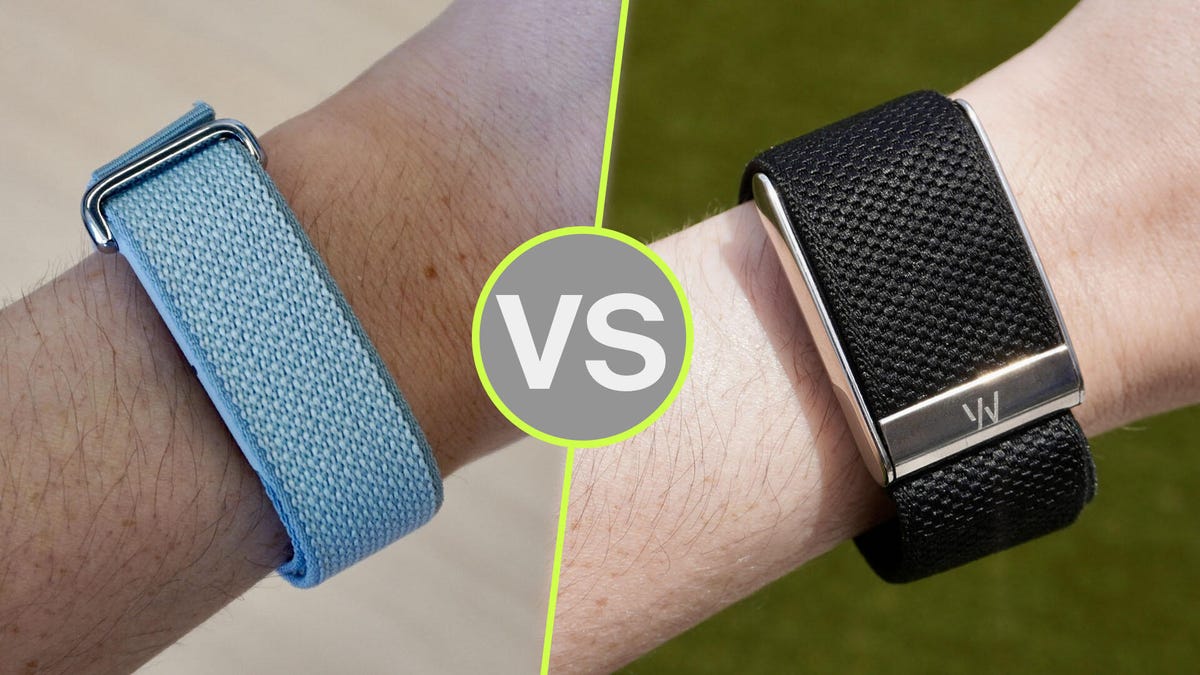
Priced at $100, this fitness band targets well-known options such as the Whoop as a budget-friendly alternative to high-end health monitors (whose yearly subscriptions begin at $200 and can go up to $360). While Whoop appeals to dedicated athletes, the Fitbit Air is aimed at everyday users, offering a more accessible price and no mandatory subscription.
Also: I wore Google’s Fitbit Air to track my health for a week, and it’s a serious Whoop rival for less money
The two devices share many features. Both eliminate the screen in favor of a sleek band design and rely on apps for health tracking. They each monitor activity, sleep, recovery, and stress, and come equipped with advanced AI assistants (though Google’s AI Health Coach requires a premium subscription).
So, which one is right for you? The choice depends on your budget and preferences. Although I haven’t yet tested the Fitbit Air myself, I’ve analyzed the specifications and features of both devices to outline their strengths and weaknesses.
At a glance
| Whoop 5.0/MG | Fitbit Air | |
| Weight | 27 grams | 12 grams |
| Battery life | 14 days | 7 days |
| Dimensions | 34.7 mm x 24 mm x 10.6 mm | 34.9 mm x 17 mm x 8.3 mm |
| Water resistance | IP68 | 5 ATM |
| Sensors | PPG optical sensor, 3-axis accelerometer, skin temperature sensor, and ECG contact pads (specific to Whoop MG only) | Optical heart rate monitor, 3-axis accelerometer and gyroscope, red and infrared sensors for Sp02, temperature sensor, vibration motor |
| Subscription required? | Yes | No, though Google Health Premium costs $100/year or $10/month. Your first three months are free with Fitbit Air purchase. |
| Colors | Black standard band | Fog, Obsidian, Lavender, and Berry |
| Price | Annual subscriptions for $199, $239, or $359 | $100 |
Consider choosing the Whoop band if…
1. Longer battery life matters to you
Whoop’s battery lasts up to 14 days, doubling the seven-day runtime of the Fitbit Air. With Whoop, you’ll spend less time charging your device.
2. You prefer instant, comprehensive data access
The Fitbit Air from Google delivers a health-tracking experience similar to other Google products, like the Pixel Watch. Its app gives insights into sleep, steps, and readiness. If you subscribe to Google Health Premium, you can unlock the AI Health Coach for deeper analysis, though you’ll need to prompt it for detailed comparisons.
Also: Your Whoop app isn’t just for fitness anymore – you can order blood tests through it now
Whoop, however, provides extensive data visualizations without requiring an AI assistant (Whoop also offers its own AI tool and was among the first in this space). The device focuses not only on daily activity but also on how habits impact long-term health and longevity. For instance, Whoop’s Healthspan feature lets users see how exercise, stress, and sleep influence their biological aging rate—a unique wellness-focused function absent from the Fitbit Air.
The app also shows recovery versus strain, helping you understand how your body responds to intense effort. Another section analyzes your sleep patterns to ensure you’re meeting your needs. Whoop’s Health Monitor watches vital signs like heart rate, heart rate variability, and temperature, alerting you to possible strain or illness.
3. You want extra features from your health tracker
Whoop includes several premium touches not found on the Fitbit Air. For example, it automatically detects time zone changes and offers personalized advice on jet lag recovery, including tips on sleep timing, light exposure, caffeine, and hydration. The brand targets those interested in personal optimization, with features geared toward a health-conscious, upscale audience.
Also: I wore the Whoop 5.0 for a month – it combines the best of the Oura Ring and Apple Watch
Additionally, unlike the Fitbit Air—which only fits on the wrist—Whoop provides bicep bands and sports bras for more precise tracking across different body locations.
Consider choosing the Fitbit Air if…
1. You’re looking for an affordable tracker
The Fitbit Air is tailored for everyday fitness enthusiasts—not those focused on biohacking or longevity like Whoop users. Its price reflects this difference. Without the optional Google Health Premium subscription, the Fitbit Air costs just $100. Meanwhile, Whoop subscriptions start at $200 annually, with the top “medical grade” option reaching $360.
While I enjoyed using the Google Health Coach available with the membership tier, it isn’t essential for everyone. You can still track sleep, workouts, and core health metrics without the AI Coach, getting alerts for low readiness days and weekly cardio goals.
Also: iFixit tears down ‘the most repairable smartwatch’ – and it’s not from Apple
Importantly, unlike Whoop, Google doesn’t require an annual subscription. You can skip Google Health Premium entirely and still monitor basics like steps, recovery, sleep, and activity.
2. You prefer simplicity over data overload
If you’re new to health tracking, you might not need vast amounts of detailed data or multiple charts comparing metrics. The Fitbit Air offers straightforward insights, making it easier for beginners to understand their health trends without feeling overwhelmed.
Users who don’t want to dive deep into analytics will appreciate Fitbit Air’s clean and simple approach to health monitoring.
Using biometric data can sometimes feel like more of a chore than a real help.
The Fitbit Air (along with Google’s other devices) is designed for everyday people who love working out and don’t really care if their fitness stats show they’re “biologically older or younger” than they actually are (which is the crowd Whoop targets). Instead, the Fitbit Air quietly keeps tabs on the essentials—things like daily step counts, weekly heart-health workouts, how you’re sleeping, physical recovery, and stress levels—while skipping over all the extra, less important numbers. This makes it an ideal starter activity tracker that won’t flood you with too much information.
Also: I logged 3,000 steps using my Apple Watch, Google Pixel, and Oura Ring—and here’s which one nailed it the most
If you sign up for the Premium plan, you have the option to request that Google’s Health Coach pull up more in-depth charts to show your fitness recovery levels and body strain, or compare the amount of sleep you actually get versus your ideal sleep schedule. I personally had a great experience with the Health Coach feature for logging my food intake, getting tips for days when my body felt unprepared for exercise, and figuring out how to interpret my sleep ratings and energy readings.
I even managed to pull fitness records from other platforms and have the Coach go back and add those heavy-lifting movements into a strength-training log I had already created on Fitbit. Still, the Fitbit Air truly shines when keeping things simple, and that stripped-down approach is more than perfectly adequate for the vast majority of users.
3. You prefer something that feels unnoticeable
The Whoop clicks the scale at roughly 26 grams, but the Fitbit Air tips the scale at a mere 12 grams. That means the wallet-friendly tracker is dramatically lighter and just a touch more comfortable for all-day wear. I genuinely adored having the Fitbit Air on my wrist and found it to be incredibly comfortable. On top of that, its subtle band color mixed in seamlessly with any outfit without drawing any glances. My only minor frustration is that it doesn’t dry quickly, meaning it stayed a little damp for a while after I washed my hands or took a shower with it on.
My top pick
After putting both of these fitness trackers through their paces, I really value the Fitbit Air’s focus on being approachable and precise. It’s genuinely exciting to see some new rivalry in a market that Whoop has mostly had to itself. Over my years spent covering wearable tech, I’ve watched the demand for health displays without screens—like wristbands and smart rings—climb steadily, yet there are still surprisingly few solid fitness bands to actually pick from.
What makes it even better is that the Fitbit Air lets you choose whether to add the Google Health Premium plan, whereas Whoop forces you into pricier monthly subscriptions no matter what.
I’d steer anyone looking for their first fitness tracker toward the Fitbit Air. It covers all the necessities to get a deeper look at your physical well-being, sleeping habits, and movement while deliberately steering clear of overwhelming you with charts and data. The Whoop, on the other hand, is the better fit for fitness junkies or data-hungry biohackers who want a long-lasting battery and a massive collection of detailed health insights.
