



In 2025, stolen credentials skyrocketed by 160%, playing a role in 20% of all data breaches. Cybercriminals are now leveraging AI-powered tactics to circumvent conventional security measures.
For cybersecurity professionals, the focus has shifted from merely confirming user identities to doing so in a secure manner that doesn’t inconvenience genuine users. Vulnerable onboarding procedures, excessive dependence on fixed credentials, and uneven authentication protocols all open doors for malicious actors to exploit.
Making identity verification as robust as possible has become a fundamental pillar of contemporary cyber resilience. Here are five proven strategies organizations can adopt to reinforce identity verification and establish more durable access control mechanisms throughout their infrastructure.
1. Implement robust, fatigue-proof multi-factor authentication
Multi-factor authentication (MFA) continues to be one of the most reliable methods for bolstering identity verification and minimizing the likelihood of unauthorized account access. Instead of depending exclusively on a password, MFA mandates that users confirm their identity through two or more verification methods drawn from distinct categories:
- Something you know, like a password or PIN code.
- Something you possess, such as a mobile phone, authentication application, or physical security key.
- Something inherent to you, such as a fingerprint or facial recognition scan.
Per NIST recommendations, MFA delivers the strongest protection when it blends factors from different categories. Pairing a password with a hardware token or authenticator application offers far greater security than stacking multiple knowledge-based factors like passwords and security questions. That said, MFA is not foolproof—less secure setups remain vulnerable to tactics such as prompt bombing and SIM swapping.
To bolster defenses against these attack methods, organizations should:
- Phase out outdated SMS or email-based one-time passcodes (OTPs), which are more susceptible to interception, phishing, and manipulation through social engineering.
- Adopt phishing-resistant MFA approaches, such as FIDO2 security keys, passkeys, or certificate-driven authentication.
- Opt for authenticator applications that produce locally generated OTPs instead of push-notification approval prompts when suitable.
Verizon’s Data Breach Investigation Report revealed that stolen credentials factor into 44.7% of breaches.
Effortlessly fortify Active Directory with compliant password policies, blocking over 4 billion compromised passwords, enhancing security, and cutting down on support headaches!
Try it for free
2. Shield the service desk against social engineering
Helpdesks continue to be a prime target for social engineering schemes because they operate at the crossroads of identity management, access control, and time-sensitive user demands. Cybercriminals pose as employees to persuade support personnel into granting account access, often through password reset requests.
These schemes are growing increasingly advanced, with attackers harnessing AI-generated deepfake audio or publicly accessible data to make their requests seem credible.
In multiple high-profile incidents, including those affecting Marks and Spencer (M&S) and Clorox, breaching the service desk served as the initial gateway to ransomware deployment or wider lateral network movement. In M&S’s case, the attack forced a five-day halt in sales, with average daily losses reaching £3.8 million.
The root issue is typically not a shortage of security tools, but rather inconsistent identity verification practices during high-stress support scenarios.
Dedicated solutions such as Specops Secure Service Desk integrate secure identity verification directly into helpdesk processes, requiring users to authenticate through trusted methods before password resets, MFA modifications, or other sensitive operations can proceed.
This empowers support teams to manage requests safely and lowers the chance of attackers circumventing controls via social engineering.
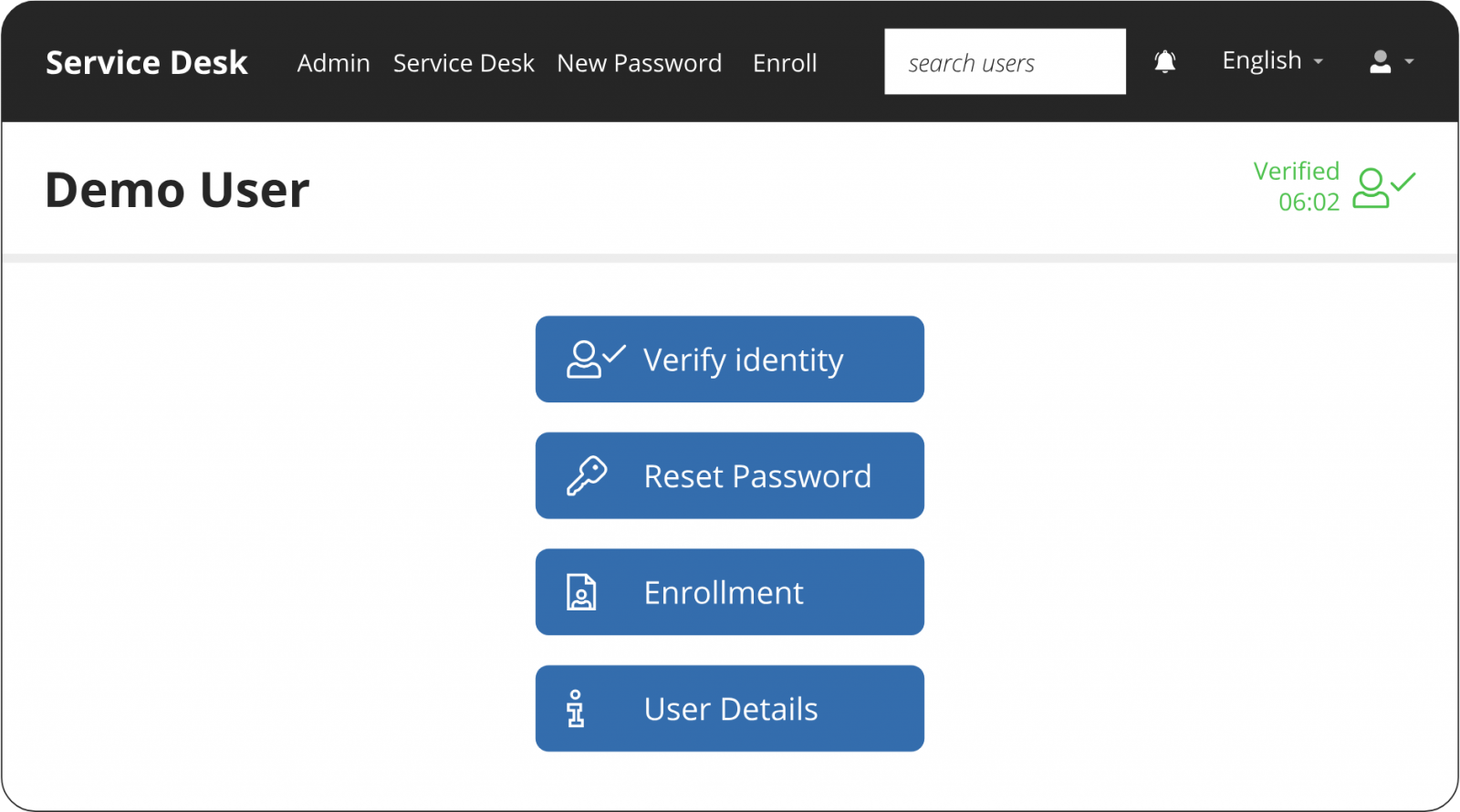
For particularly sensitive service desk operations, Specops Verified ID introduces government-issued document scanning and biometric liveness detection into identity verification processes. With this added defensive layer, organizations can reduce the risk of impersonation attacks resulting in account takeover.
3. Factor device trust into identity verification decisions
Contemporary identity verification cannot depend solely on credentials. In addition to stealing valid credentials, attackers also harvest session cookies and MFA tokens to undermine the authentication process, making it increasingly difficult to differentiate between legitimate users and compromised accounts based purely on login information.
This is why a growing number of organizations are incorporating device trust into their authentication and access control decisions.
Device trust enables security teams to validate not only who is trying to log in, but also the device they’re using. Rather than treating all devices the same, trusted access policies assess indicators such as:
- Whether the device is managed by the organization or unmanaged
- Operating system version and update compliance
- Availability of endpoint protection or EDR solutions
- Device certificates or cryptographic identifiers
- Browser reputation and session integrity
- Indicators of compromise, malware, rooting, or jailbreaking
These indicators provide meaningful context to identity verification processes. For instance, a login attempt from a known, policy-compliant device on the corporate network may proceed with minimal interruption.
However, the same credentials used from an unmanaged device or a suspicious IP address could prompt additional authentication steps, limited access, or a completely blocked session.
4. Explore adopting passkeys
MFA substantially lowers the risk of credential compromise, but many organizations are now looking to move beyond passwords entirely. Among the most broadly embraced passwordless solutions are passkeys.
Built on FIDO2 and WebAuthn standards, passkeys leverage public-key cryptography to verify users without transmitting passwords over the network. The private key remains securely stored on the user’s device, rendering passkeys resistant to phishing, credential theft, and password reuse attacks.
Since there’s no password to memorize or update, they also help streamline the experience for both employees and IT departments.
However, passkeys aren’t yet a full substitute for passwords. Organizations still depend on passwords as a backup authentication method, especially during account recovery or when users transition between devices. For this reason, robust password policies and phishing-resistant MFA remain essential wherever passwords are still in play.
5. Safeguard biometric data
Biometric authentication—through fingerprint scanning, facial recognition, or voice verification—strengthens identity verification when deployed correctly. However, unlike passwords, biometric data cannot simply be changed if it’s exposed, making its protection critically important.
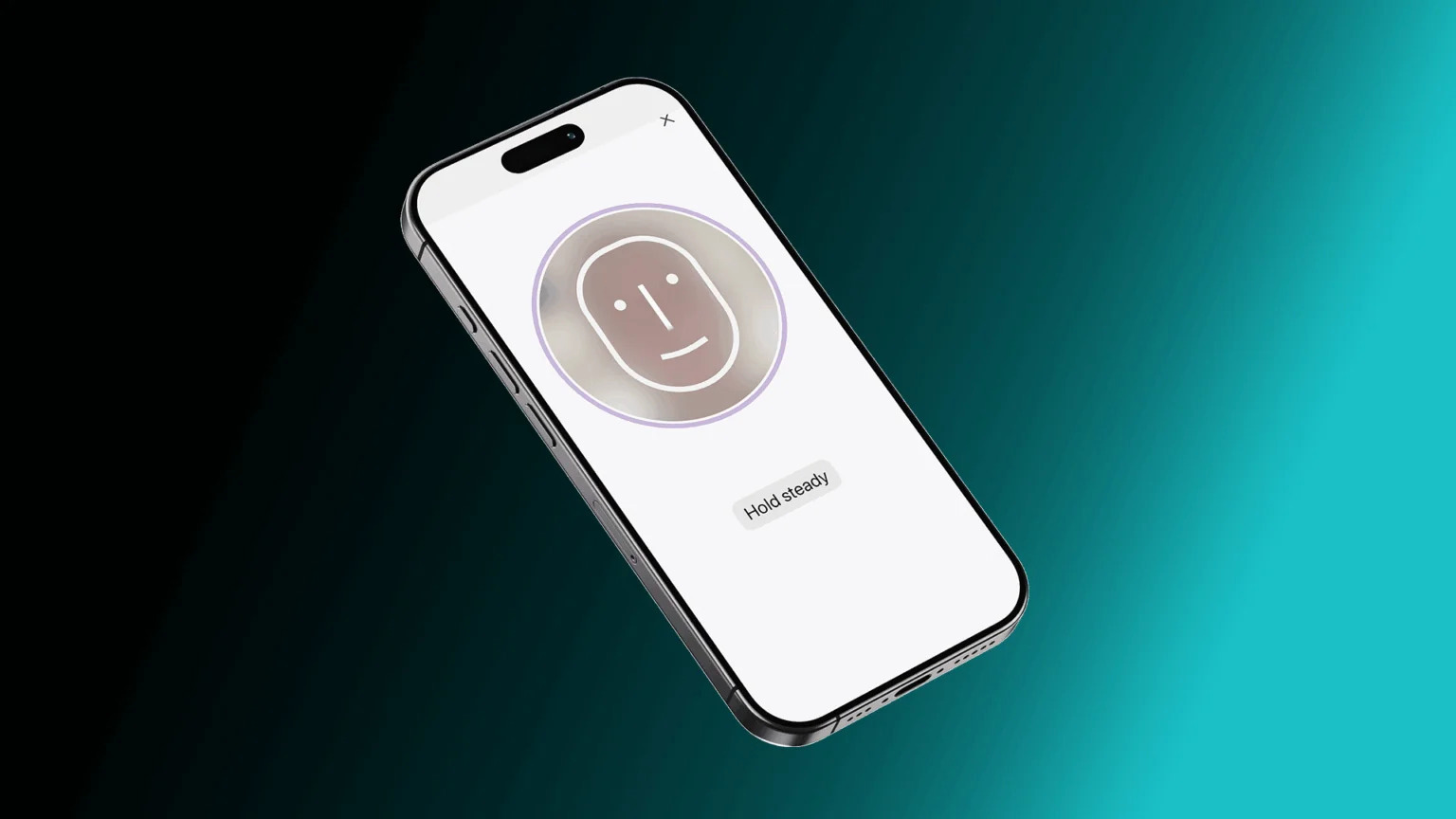
One of the most crucial best practices is to avoid storing raw biometric data whenever possible. Instead, organizations should retain encrypted biometric templates and carry out authentication locally on trusted devices where practical.
Privacy-enhancing technologies are also gaining traction in high-security settings. Methods like homomorphic encryption enable biometric matching to occur without revealing the actual biometric data, helping organizations mitigate both security and privacy concerns.
Strengthen your identity verification workflows with Specops
As attackers persist in targeting credentials and exploiting gaps in authentication processes, evaluating and modernizing identity verification controls should remain a top priority for security teams.
If you’re seeking to reinforce your identity verification workflows, Specops is ready to assist.
Reach out today or schedule a demo to explore our solutions firsthand.
Sponsored and written by Specops Software.
