



**Major Cloud Platform Breach Exposes Developer Credentials After TeamCity Exploit**
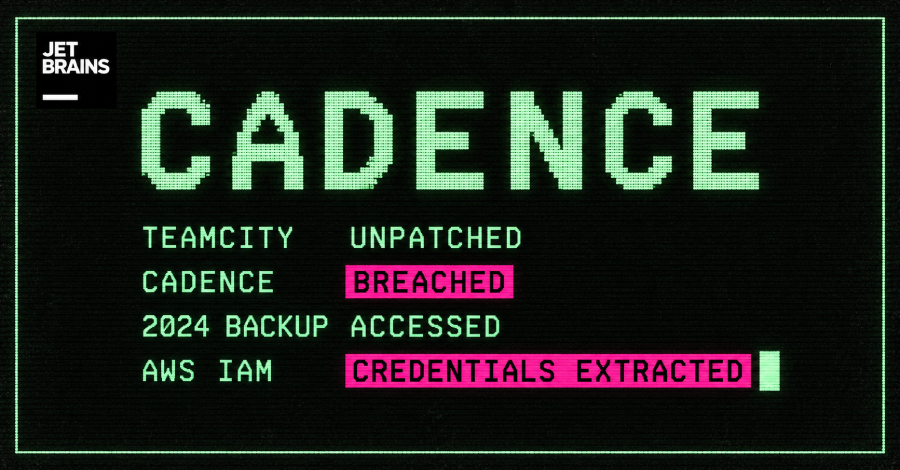
A widely used cloud computing platform designed for developers has suffered a significant security breach after threat actors exploited a critical vulnerability in an underlying continuous integration server. The attackers gained unauthorized access to the platform, compromising user credentials, cloud secrets, and source code.
The threat actors leveraged a recently disclosed, critical deserialization vulnerability (CVSS score: 9.8) in TeamCity. This flaw allows unauthenticated attackers with access to the server to bypass authentication checks and execute arbitrary operating system commands with the privileges of the server process. The exploitation was discovered by the platform provider on August 23, 2026, following an intrusion that took place between August 8 and 24, 2026. The vulnerability has since been added to the U.S. government’s Known Exploited Vulnerabilities catalog due to active wild exploitation.
Once inside, the attackers accessed a full backup of the platform’s server dating from 2024. This backup contained a trove of sensitive data, including usernames, real names, email addresses, last-login timestamps, and last accessed IP addresses. The threat actors also extracted multiple AWS IAM users and their associated credentials and secrets, some of which belonged to internal company employees. Additionally, files stored in Amazon S3 buckets and source code synchronized from developer IDEs were potentially compromised.
In response to the incident, the platform provider has invalidated all access tokens used by its integrated plugin to connect to the cloud service and has taken the affected server offline. The company is now urging all users to immediately revoke or rotate any credentials and secrets that may have been used during their platform executions. As a precaution, all past executions, including their inputs and outputs, are being treated as potentially untrusted.
Security teams have been provided with specific indicators of compromise (IOCs) to monitor for, including activity originating from known malicious IP addresses, unexpected changes to repository secrets or webhooks, modifications to cloud IAM roles and policies, and new or modified personal access tokens in external services.
The exposure of personal data poses a significant elevated risk to the affected community, particularly increasing the likelihood of targeted phishing, social engineering, and impersonation attempts using the compromised names and email addresses.
***
**Frequently Asked Questions (FAQ)**
**Q: Which cloud service was affected by this breach?**
A: The breach affected a cloud computing service that integrates with the PyCharm IDE, allowing developers to run machine learning and heavy computational workloads on cloud GPUs directly from their development environment.
**Q: What specific vulnerability was exploited by the attackers?**
A: The attackers exploited a critical vulnerability in TeamCity related to the deserialization of untrusted data. The flaw carried a CVSS score of 9.8 and allowed unauthenticated command execution on the server.
**Q: What types of data were confirmed to be compromised?**
A: The compromised data included a full server backup from 2024 containing personal data (usernames, real names, emails, IP addresses), AWS IAM credentials and secrets, files in cloud storage buckets, and potentially source code from developer projects.
**Q: What immediate actions should users take to secure their accounts?**
A: Users must immediately revoke or rotate all credentials, secrets, and access tokens used to run executions on the platform. They should also audit their connected cloud accounts, S3 buckets, deployment environments, and source code repositories for any unauthorized activity.
**Q: Why did the vulnerability remain unpatched on the platform?**
A: The platform provider acknowledged that the affected server should have been patched as part of its own vulnerability response efforts but did not disclose the specific reasons why the patch was not applied before the breach occurred.
***
**Conclusion**
This incident highlights the severe cascading risks present in modern software development pipelines. A single critical vulnerability in a continuous integration server can provide threat actors with the keys to cloud environments, exposing sensitive source code, credentials, and personal data. As organizations recover from this breach, the immediate priority must be credential rotation and continuous monitoring for indicators of compromise. Moving forward, this event serves as a stark reminder of the necessity for robust vulnerability management, strict isolation of cloud infrastructure from internal CI/CD networks, and the assumption that any stored secrets may eventually require rotation.
Thank you for reading
