



At the Robotics Summit’s opening keynote, QNX President John Wall, second from right, sat alongside (from left) Locus Robotics’ Hamid Montazeri, Universal Robots’ Anders Beck, Amazon Robotics’ Aaron Parness, and moderator Eugene Demaitre. Source: QNX
BOSTON — At the Robotics Summit & Expo this week, QNX unveiled its latest research report, “Inside the Robot: Architecture Benchmark Report,” exploring how the field of robotics is shifting as robots become more AI-driven, software-centric, and designed to operate alongside people.
“Robotics teams are clearly striving to build smarter, more autonomous systems, but the data reveals they’re also hitting the hard limits of architectures never built to handle this degree of complexity or responsibility,” said Jim Hirsch, global vice president of sales and general embedded markets at QNX.
“Developers repeatedly point to four major hurdles: integration complexity, certification delays, functional safety risks in human-machine interaction, and ensuring dependable behavior when it counts most,” he continued. “The encouraging news is that these are all addressable challenges, and by investing in stronger software foundations, developers can pave the way for faster innovation and a new wave of safe, reliable, highly autonomous robots.”
QNX commissioned OnePoll to carry out an online survey of 1,000 software developers and engineers working in robotics across various industries, following the Market Research Society’s code of conduct. Data was gathered between Feb. 2, 2025, and April 3, 2026. All participants double-opted in and received compensation based on the survey’s length and complexity.
The study uncovered the most significant barriers to progress, the disconnect between system ambitions and current capabilities, and developers’ outlook on where the industry is heading, said QNX, a division of BlackBerry Ltd.
Hardware is no longer the top bottleneck for developers
Nearly one in three developers (27%) identified software architecture and integration as their biggest performance bottleneck, the survey found. In contrast, only 16% singled out hardware, the research showed. QNX noted that future progress depends less on new hardware advances and more on creating systems that are predictable, secure, and able to manage varying levels of criticality.
As robots transition from controlled environments like factories and warehouses to more unpredictable settings such as city streets and hospital wards, developers are recognizing that software is becoming the key factor determining whether innovations succeed or fall short, QNX said.
Looking forward, 85% of developers said they expect software to take on an even bigger role in robotics over the next three to five years. Teams foresaw their largest investments going toward AI-driven decision-making and cybersecurity (both at 51%), followed by operating systems and real-time control software (37%).
QNX stated that this trend further highlights how software foundations are becoming strategic assets as robotics systems grow more complex, interconnected, and distributed.
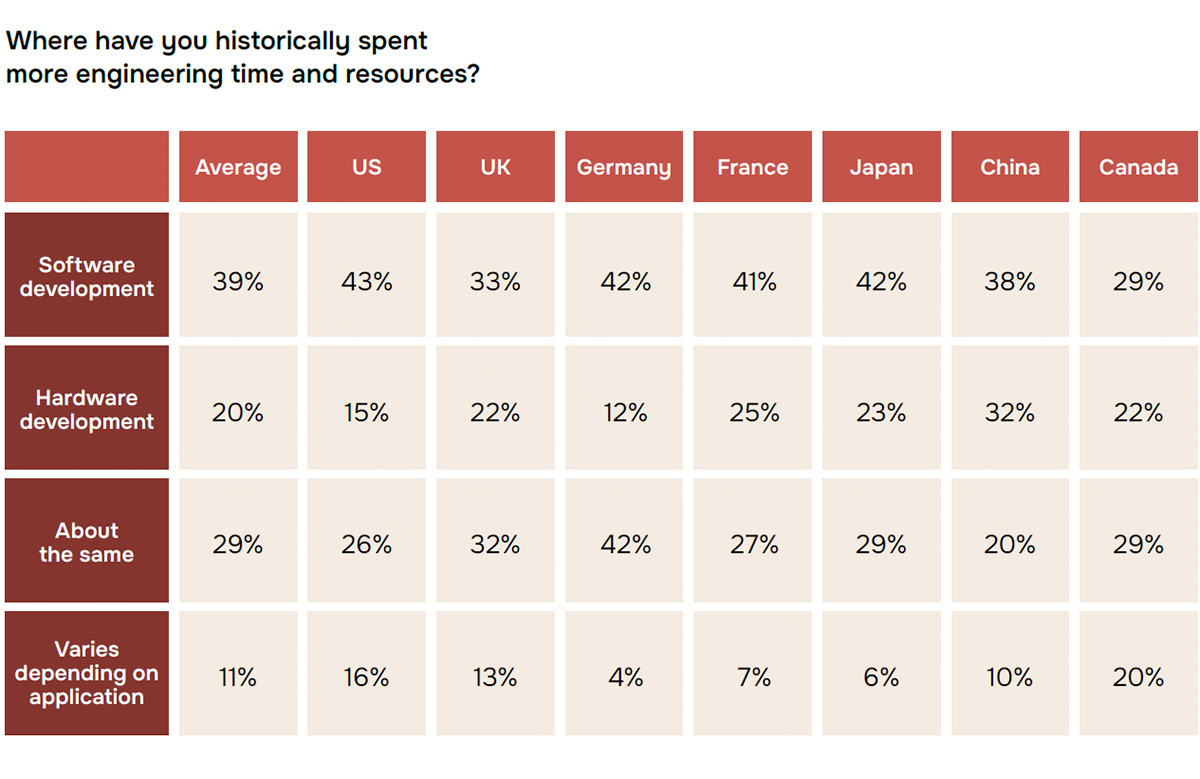
The survey revealed that software development now demands more developer resources than hardware. Source: QNX
Deployments around people raise the stakes, says QNX
Robotics teams are already experiencing the ripple effects of broader deployments. More than four in five respondents (83%) said their systems are currently working alongside people.
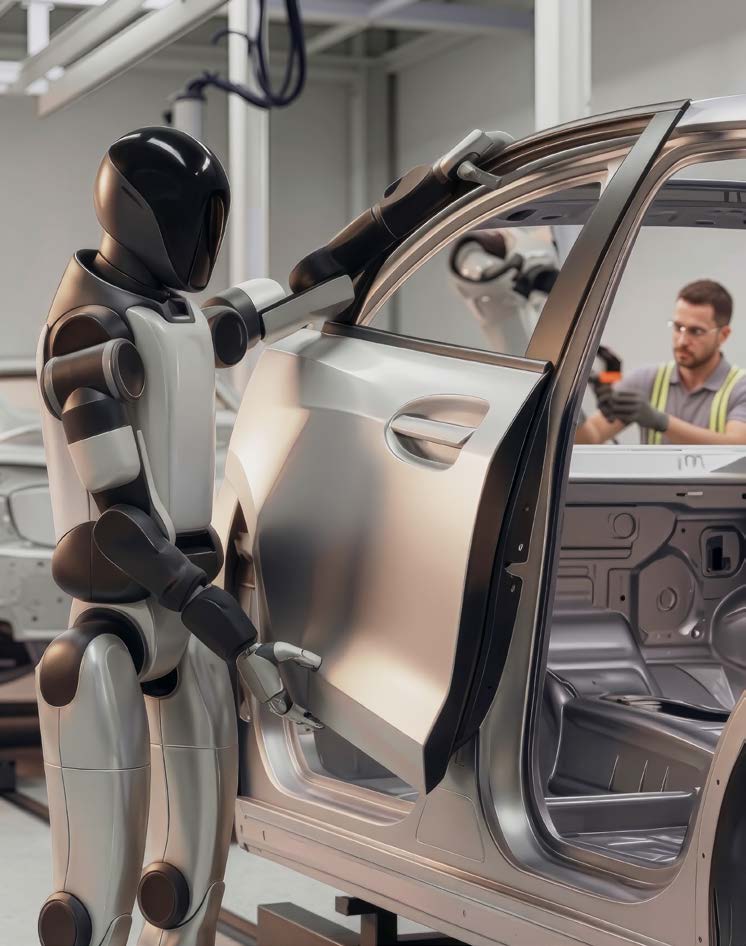
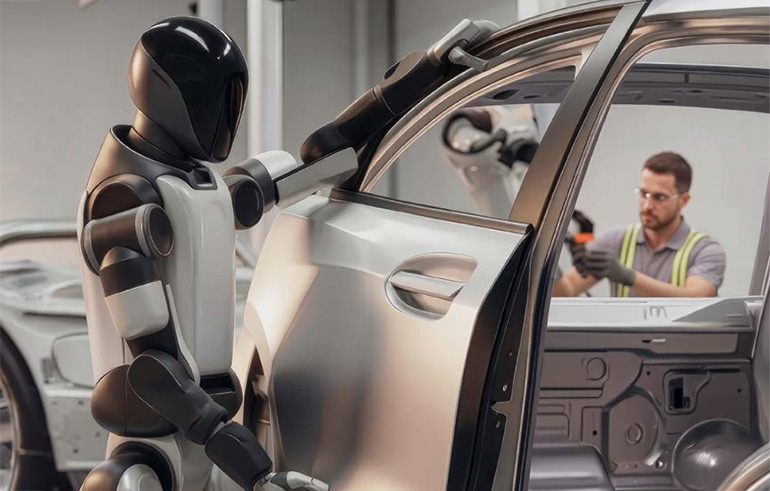
Growing deployments of robots in human environments present significant challenges. Source: QNX
Among organizations that haven’t yet deployed their systems in human-facing settings, two-thirds (67%) said they expect to do so within three to five years. This expanding presence in less controlled environments — from operating rooms to busy retail floors — is driving up expectations for reliability, safety, and consistent performance.
QNX observed that nearly all respondents (95%) said deterministic, real-time execution is important to the systems they develop. Despite this priority, most development teams admitted they still rely on software not originally designed for real-time or safety-critical applications.
The research showed that 91% of respondents run these workloads, at least partly, on general-purpose operating systems (GPOS), even though safety-certified commercial solutions are considered the best fit for their needs. Consequently, 86% of these GPOS users said they are open to switching their OS. QNX said this contrast underscores the growing tension between the desire for flexibility and the need for predictable, guaranteed behavior as robotics deployments expand.
Certification delays and security demands add pressure
Regulatory and compliance pressures are amplifying these challenges, according to QNX. Two-thirds of respondents (66%) reported project delays caused by certification processes, climbing to about 70% in the U.K. andGermany. In comparison, just 56% of respondents in China experienced delays, where regulatory requirements tend to be more relaxed.
The company noted that these setbacks can have a direct impact on development expenses, project delivery schedules, and business-related risks. Among the toughest areas to meet compliance requirements, cybersecurity standards like ISO/SAE 21434 and functional safety standards such as ISO 10218 stood out, mentioned by 51% and 49% of those surveyed, respectively.
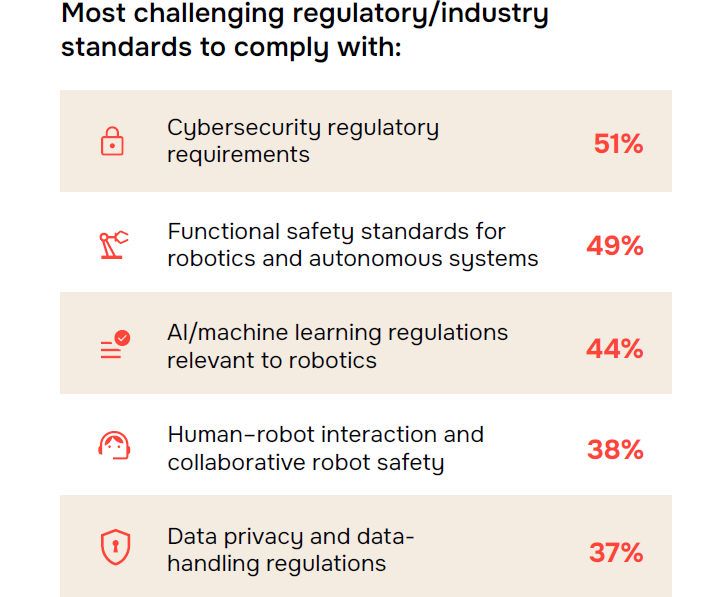
According to the survey, cybersecurity and functional safety remain the biggest worries for robotics developers. Source: QNX
Physical AI enthusiasm outweighs actual preparedness, according to QNX
Even with mounting software, deployment, and compliance challenges, industry-wide ambition and optimism remain robust, QNX observed. Physical AI features prominently on respondents’ technology roadmaps, with 89% believing that AI-powered robots capable of sensing, reasoning, and acting independently in the real world will play a vital role in their companies’ strategies over the next three to five years, with China leading the pack globally.
“The long-term outlook for physical AI is filled with confidence, but actual preparedness varies widely,” stated QNX. A mere 29% of participants expressed strong confidence in their capability to ensure safe, reliable decision-making under real-world conditions.
Headquartered in Ottawa, QNX delivers software-defined and physical AI solutions for mission-critical applications, encompassing operating systems, hypervisors, middleware, and development tools, along with expert embedded software support and services. The company earned a 2026 RBR50 Robotics Innovation Award for its General Embedded Development Platform (GEDP), built to accelerate the creation of safe, secure, and high-performance robotic systems.
BlackBerry emphasized that its communication technology supports hundreds of millions of vehicles currently on the road and powers a diverse array of systems across industrial automation, robotics, medical equipment, commercial transportation, rail, and aerospace and defense sectors.
QNX delved deeper into the survey findings through its blog and the Code the Future podcast, which included insights from Lian Jye Su, principal analyst at Omdia (see video below).
