




With cloud and AI needs on the rise, Microsoft is growing its Azure footprint across Europe to provide flexible, reliable infrastructure that fuels innovation, ensures compliance, and delivers strong performance.
The push for cloud and AI services is speeding up globally, and Europe has seen especially strong momentum. Public sector groups like Manchester City Council rely on Microsoft 365 Copilot to simplify operations and enhance services for citizens, while businesses such as Inriver leverage Microsoft Foundry to overhaul how they manage product information.
These advancements run on Microsoft Azure—the backbone behind both Microsoft 365 Copilot and Microsoft Foundry. Azure gives organizations the tools to create, launch, and grow AI solutions with solid performance, security, and reliability. Across various sectors, customers depend on Azure to handle essential workloads and push forward their AI plans, sparking a fresh wave of innovation throughout Europe.
Meeting Europe’s cloud and AI demand
To back customers running everything from essential business systems to advanced analytics and AI-driven applications, we are making major investments in datacenter regions throughout Europe.
This fiscal year, we have moved into new regions and keep expanding in key markets. We are boosting capacity in both new and established regions so customers can scale with confidence, including:
Microsoft’s worldwide infrastructure covers more than 80 datacenter regions across 34 countries, offering customers more options for keeping data at rest and fulfilling data residency, compliance, and performance needs.
These investments bring more than just extra capacity; they offer trusted, sovereign solutions built for transparency, operational control, and compliance with local laws.
Comprehensive sovereign solutions without compromise
We are growing quickly with a clear goal: helping customers scale as their needs increase. We are putting resources into places where customers are building and expanding critical workloads, and we will keep broadening our regional presence with secure, resilient cloud and AI services—including sovereign solutions that give organizations the control and deployment flexibility they often need.
These investments go past simply adding capacity; they provide trusted sovereign infrastructure that encourages innovation with transparency, operational control, and alignment with regional regulations.
With Azure datacenter regions across the European Union, the European Union Data Boundary, and Microsoft Sovereign Cloud, customers get to decide where their data is stored and handled — without losing access to cutting-edge cloud and AI features.
Northern Europe: Scaling AI and cloud innovation in the Nordics
Across the Scandinavian countries in Northern Europe, interest from industry, the public sector, and enterprises is climbing fast, fueled by advanced digital and AI workloads.
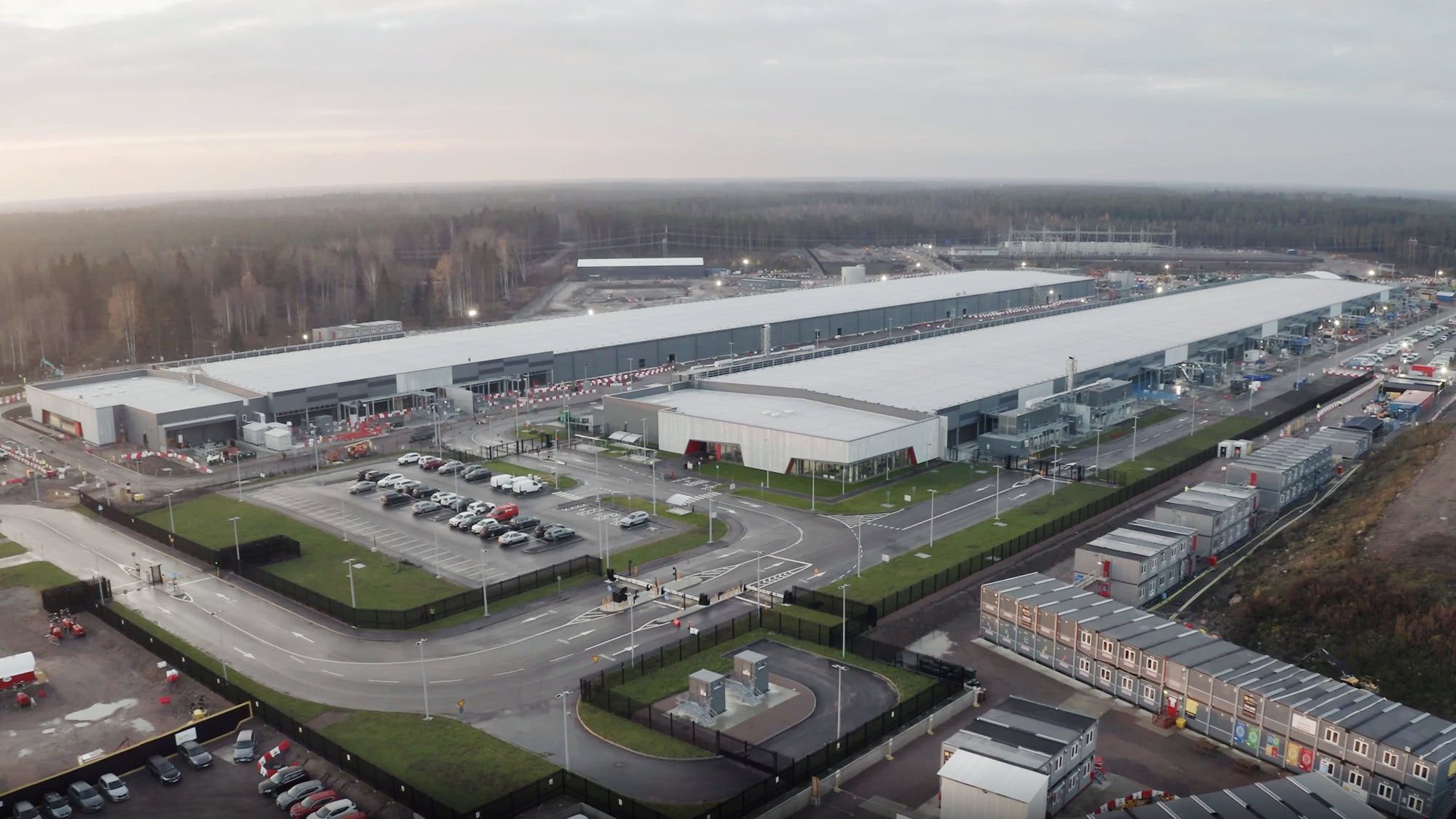
In Sweden, we are matching that rising demand with a more sustainable approach to how Azure datacenters are designed and powered, including:
- Free-air cooling.
- Rainwater harvesting.
- Renewable diesel backup power.
- A partnership with Vattenfall for daily renewable-energy matching.
Organizations like Legora and Inriver are tapping into Azure and Azure OpenAI to create AI-powered solutions and improve digital experiences, while Sandvik is transforming manufacturing with Microsoft AI tools.
That same emphasis on proximity, resilience, and trust is shaping cloud adoption across Denmark. With the newly launched Denmark East datacenter region, organizations can run workloads nearer to users while satisfying data residency and protection standards, all while boosting their digital resilience.
As demand keeps growing across the Nordics, we are continuing to invest in cloud and AI infrastructure throughout the region, supporting the next wave of innovation from customers like Sanoma in Finland and the City of Stavanger in Norway.
Southern Europe: Accelerating digital transformation with local Azure regions
Southern Europe is experiencing its own surge in cloud adoption as organizations upgrade IT systems, broaden digital services, and move AI workloads closer to users. In countries like Spain and Italy, Azure infrastructure supports cloud and AI workloads with low latency while meeting national and European Union regulatory standards.
The Spain Central datacenter region in Madrid helps organizations like LaLiga develop and grow digital services. LaLiga offers smooth fan experiences and AI-powered insights using Azure Arc, showing how organizations use local infrastructure to drive innovation at scale.
At the same time, companies such as Telefónica are advancing AI and machine learning capabilities on Azure, while Amadeus is using Azure Databricks to sharpen data-driven decisions, and Factorial is running its platform on Azure
Kubernetes Service to scale efficiently and support rapid growth.
Similarly, the Italy North datacenter region in Milan broadens access to trusted cloud and AI infrastructure, helping organizations fulfill in-country data requirements while modernizing critical systems and speeding up innovation.
Microsoft is collaborating with telecom infrastructure operator FiberCop to bring cloud and AI capabilities closer to organizations throughout Italy by integrating Microsoft technologies with FiberCop’s nationwide network and edge infrastructure. This enables ultra low-latency performance for use cases such as industrial automation, healthcare systems, and smart city solutions while broadening deployment options for customers building secure cloud and AI services in Italy.
Further south, in Greece, Microsoft is broadening access to trusted cloud and AI infrastructure—supporting both public sector transformation and enterprise innovation. Azure enables organizations to deploy locally, satisfy regulatory requirements, and accelerate their digital modernization.
Across financial services, leading institutions including the National Bank of Greece are leveraging Azure to strengthen resilience, improve customer experiences, and drive data- and AI-powered operations. In energy and critical infrastructure, organizations such as HELLENiQ Energy are leveraging Azure to modernize systems, optimize performance, and support the shift toward more sustainable, intelligent operations. Together, these efforts reflect a wider momentum across Greece—where cloud and AI are becoming foundational to economic growth, public service delivery, and long-term competitiveness.

Western Europe: Investing in cloud capacity and AI skills
Across Western Europe, Microsoft continues to invest in infrastructure to support rising demand in markets such as the United Kingdom and Belgium. The United Kingdom remains a major cloud market in Europe, with accelerating demand across the public sector, financial services, healthcare, and enterprise workloads.
Microsoft is investing $30 billion in AI infrastructure and ongoing operations across the United Kingdom from 2025 through 2028, including $15 billion in capital expenditures to expand cloud and AI capacity and grow the datacenter footprint.
Customers such as Manchester City Council are using Microsoft 365 Copilot to boost productivity and streamline citizen services, while Space Intelligence is delivering data-driven insights for environmental sustainability and ITF is modernizing its operations on Azure to enhance efficiency and scalability.
Building on the momentum established in the United Kingdom, Microsoft is also advancing digital growth and innovation in Belgium. Our Belgium Central region continues to expand since its recent launch, supporting local organizations while also contributing to digital skills and economic growth.
Microsoft’s commitment in Belgium extends beyond infrastructure: AI skills are essential to unlocking Belgium’s digital transformation. That’s why Microsoft recently partnered with the Flemish government to introduce Microsoft Copilot to 10,000 civil servants—one of the largest public Copilot projects in Europe.
Central Europe: Enabling compliance and advanced analytics with Azure
Microsoft’s focus on expanding regional capabilities continues further into Central Europe. In Germany, Azure infrastructure enables local deployment while staying connected to the broader Microsoft Cloud for resilience and operational flexibility.
The Germany West Central region provides high availability and regional performance, supporting organizations such as BMW Group,
Automotive innovation is being powered by Azure, while TK Elevator is upgrading its digital services and boosting operational efficiency using the same platform.
Basalt AG leverages Microsoft Fabric to gain data-driven insights and strengthen analytics, all while ensuring compliance with regional governance standards. As the need for analytics and AI continues to rise, regional cloud capacity allows German organizations to scale securely and in line with local regulations.
In addition to large-scale industrial applications, companies like ElringKlinger are migrating SAP workloads to Azure—keeping sensitive manufacturing data secure and aligned with regional data sovereignty rules.
In Austria, Azure’s local infrastructure enables businesses to store and process data within the country, supporting both regulatory compliance and cross-industry innovation.
As part of its commitment to Austria’s digital future, Microsoft is equipping 200,000 people with essential digital skills. Initiatives like Red Bull Basement demonstrate how these skills fuel real-world innovation—uniting emerging creators to build new solutions using Microsoft AI tools, including Azure OpenAI.
Similar progress is underway in Poland, where cloud-driven innovation is reshaping education and healthcare. In Poland, organizations are fast-tracking digital transformation to tackle pressing challenges. Photon Education is redefining classroom experiences, helping teachers create more engaging and inclusive learning environments. At the same time, CancerCenter.AI is revolutionizing cancer diagnosis—using an Azure-based platform to significantly cut diagnosis times—showcasing how Polish innovation is paving the way for a more connected future.
Building resilient multi-region cloud architectures
Europe plays a central role in the global economy, with companies operating across borders and serving international customers. Microsoft’s growing regional presence empowers customers to design multi-region cloud architectures—deploying applications across multiple Azure regions for enhanced flexibility and control. This approach helps organizations boost availability, minimize the impact of local disruptions, deliver consistent performance across Europe, and meet data residency, regulatory, and operational needs without being confined to a single region.
Adopting a multi-region strategy enables dynamic scaling, improved reliability for mission-critical workloads, and reduced downtime from localized issues. It also places applications and data closer to end users for faster performance, while ensuring compliance with data residency laws and EU-wide regulations. With support from the Microsoft Cloud Adoption Framework and Azure Well-Architected Framework, customers can effectively design and implement robust multi-region environments.
Scaling Azure to meet Europe’s growing AI demand
Cloud and AI adoption is surging worldwide—and Europe is no exception, with increasing customer uptake and larger workloads migrating to Azure. That’s why Microsoft continues to expand its regional cloud capacity across Europe, driven by real demand and a forward-looking vision. By scaling both new and existing Azure regions, we’re helping customers build for performance, scalability, and strong governance—with infrastructure available precisely when and where it’s needed. These investments underscore our long-term commitment to powering Europe’s next era of innovation.
