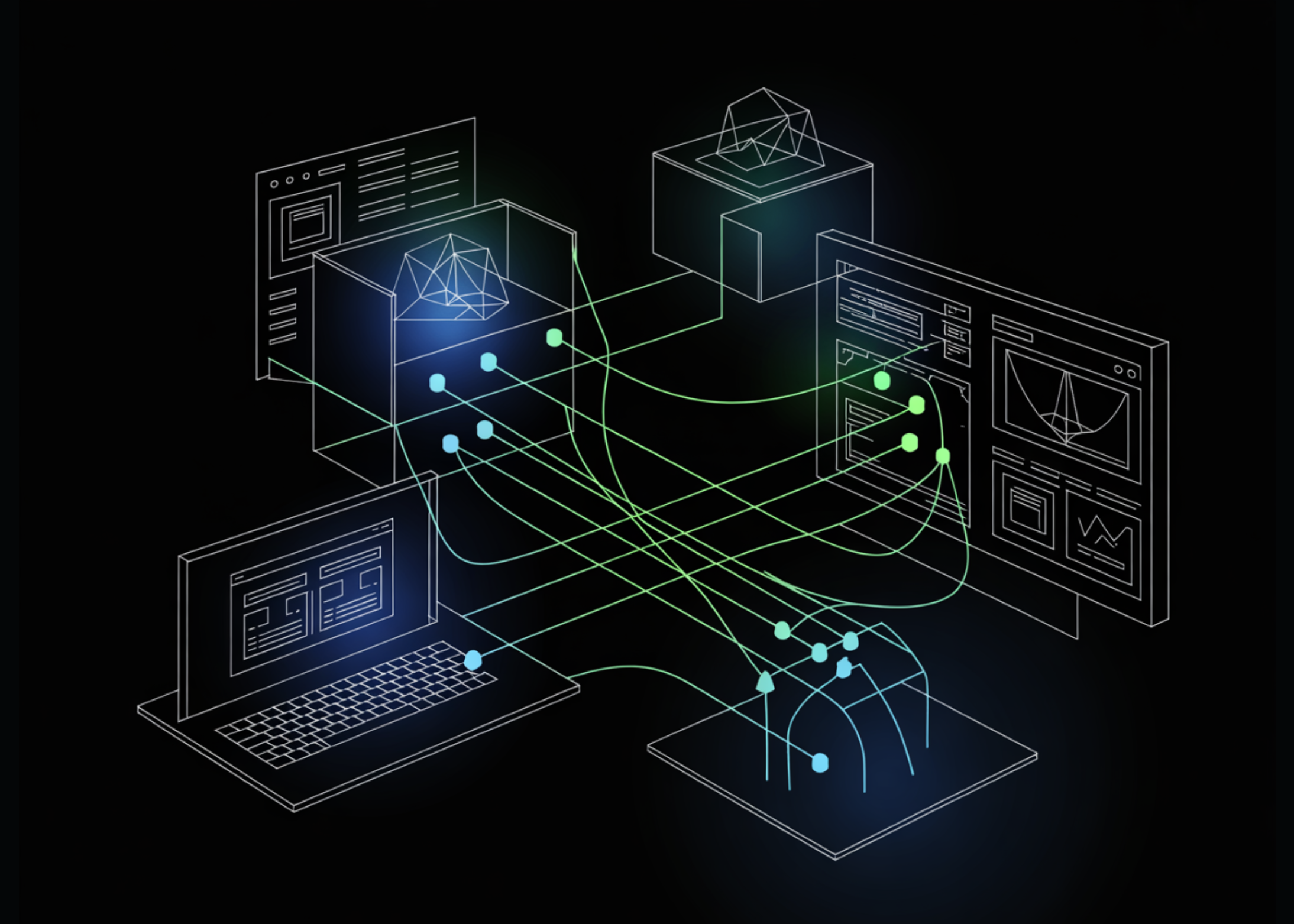
Perplexity has integrated Deep Research into Computer, its multi-model orchestration platform. This upgrade enhances precision, analytical depth, and the quality of citations. Deep Research now decomposes complex queries into smaller tasks and distributes them across more than 20 advanced models. The result is polished, work-ready reports, presentations, and dashboards, all generated within Computer.
Deep Research in Computer
Deep Research is a feature that conducts multiple searches, analyzes sources, and produces a fully cited report. The latest version is embedded within Perplexity Computer, which was introduced in late February 2026. Computer is a cloud-based platform that synchronizes up to 20 AI models within a single workflow. It is model-agnostic, using Opus 4.6 as its primary reasoning engine. Specialized sub-agents manage specific tasks, such as Gemini for in-depth research assignments.
Deep Research in Computer is powered by two core components: the Agent Search SDK and Search as Code. Given a single complex question, it automatically formulates a research plan. It then locates primary sources from hundreds of websites and provides citations for every assertion.
Search as Code: How It Works
The model generates code that constructs the search process itself. This code executes thousands of retrieval operations simultaneously, customized for each query. The script operates within a sandbox environment and utilizes Perplexity’s Agentic Search SDK. The SDK provides search functionalities like filtering, deduplication, and reranking. This approach differs from a static pipeline that follows identical steps every time. Code-based search enables the system to branch out, make comparisons, and refine results as it processes information.
Search as Code is being deployed through both Computer and the Agent API. This allows developers to access the same agentic search infrastructure programmatically. Computer also analyzes your files in addition to the live web. You can upload a PDF or spreadsheet to provide internal context. It then cross-references this information against sources like census data and Statista.
A Working Developer Example
Deep Research in Computer is a consumer feature available to Perplexity Max subscribers. Developers can access the same infrastructure via the pay-as-you-go Agent API. The official SDK includes a deep-research preset, demonstrated below.
# pip install perplexityai
# export PERPLEXITY_API_KEY="your_api_key_here"
from perplexity import Perplexity

client = Perplexity()  # reads PERPLEXITY_API_KEY from the environment

response = client.responses.create(
    preset="deep-research",  # pre-configured research setup; "pro-search" is another
    input="Compare the cash flow and profit margins of the largest AI chip makers.",
)

print(response.output_text)  # aggregated report text from the run
The endpoint is POST https://api.perplexity.ai/v1/agent. It also supports POST /v1/responses for compatibility with the OpenAI SDK.
Benchmark
Perplexity released comparative data showing the performance of the legacy Deep Research versus the Computer version. The most significant improvements are seen in agentic browsing, where the system must navigate through numerous web pages.
| Benchmark | Source | Legacy Deep Research | Deep Research in Computer |
|---|---|---|---|
| Humanity’s Last Exam | Center for AI Safety & Scale AI | 36.4% | 50.5% |
| BrowseComp | OpenAI | 40.7% | 83.8% |
| DeepSearchQA | Google DeepMind | 81.9% | 85.0% |
BrowseComp evaluates an agent’s skill in locating hard-to-find information through web browsing. The increase from 40.7% to 83.8% represents the most substantial improvement. Humanity’s Last Exam assesses expert-level questions across various academic fields. DeepSearchQA already had a high baseline, so its improvement is smaller but still positive.
Use Cases, With Examples
Perplexity provides sample tasks to illustrate the intended range of applications.
- Finance: analyze the cash flow and profit margins of leading AI chip manufacturers over a five-year period.
- Legal: create a comparison table outlining the differences between US and European data-privacy regulations.
- Healthcare: compile clinical-trial data to determine if weight-loss medications benefit cardiovascular health.
- Technology: evaluate top models based on reasoning capabilities, cost, and context length.
Each task results in a finished product. You can convert a report into a summary, a presentation, or a live spreadsheet. Computer interacts directly with the file content, not just alongside it. It displays a preview before implementing any changes, which you can approve or decline.
How It Picks Models
Computer assigns each subtask to the most appropriate model. A legal reasoning model manages contract analysis. A data model handles spreadsheet variance assessments. A writing model produces the final draft. Premium data sources support the findings, including PitchBook and CB Insights. Legal data is currently in a preview phase.
Strengths and Limitations
Strengths:
- Code-driven search executes thousands of retrieval operations simultaneously for each query.
- Significant measured improvements in agentic browsing, highlighted by the BrowseComp results.
- Analyzes both internal files and the live web, providing inline citations for every claim.
- Generates ready-to-use deliverables: reports, summaries, presentations, dashboards, and live spreadsheets.
Limitations:
- The benchmark data is self-reported, so independent validation remains important.
- The in-Computer feature is focused on Perplexity Max, not a free subscription tier.
- Coverage of premium sources varies, and legal data is still in preview.
- Outputs still require human verification, as “cited” does not automatically guarantee accuracy.
Key Takeaways
- Perplexity integrated Deep Research into Computer, distributing research subtasks across more than 20 advanced models.
- “Search as Code” enables the model to generate code that executes thousands of retrieval operations simultaneously.
- BrowseComp accuracy increased from 40.7% to 83.8%; Humanity’s Last Exam improved from 36.4% to 50.5%.
- It analyzes your files and the live web, citing every claim across reports, presentations, and dashboards.
- Developers can access the same agentic search infrastructure through the pay-as-you-go Agent API.
Explore the Technical details. Also, feel free to follow us on Twitter and don’t forget to join our 150k+ ML SubReddit and
Don’t miss out—sign up for our newsletter. Already on Telegram? Come hang out with us there too!
Interested in a collaboration? Whether you want to promote your GitHub repo, Hugging Face page, product launch, or upcoming webinar—let’s make something happen. Reach out to us
Michal Sutter holds a Master of Science in Data Science from the University of Padova. Skilled in statistical analysis, machine learning, and data engineering, he has a knack for turning complex data into meaningful, real-world insights.