



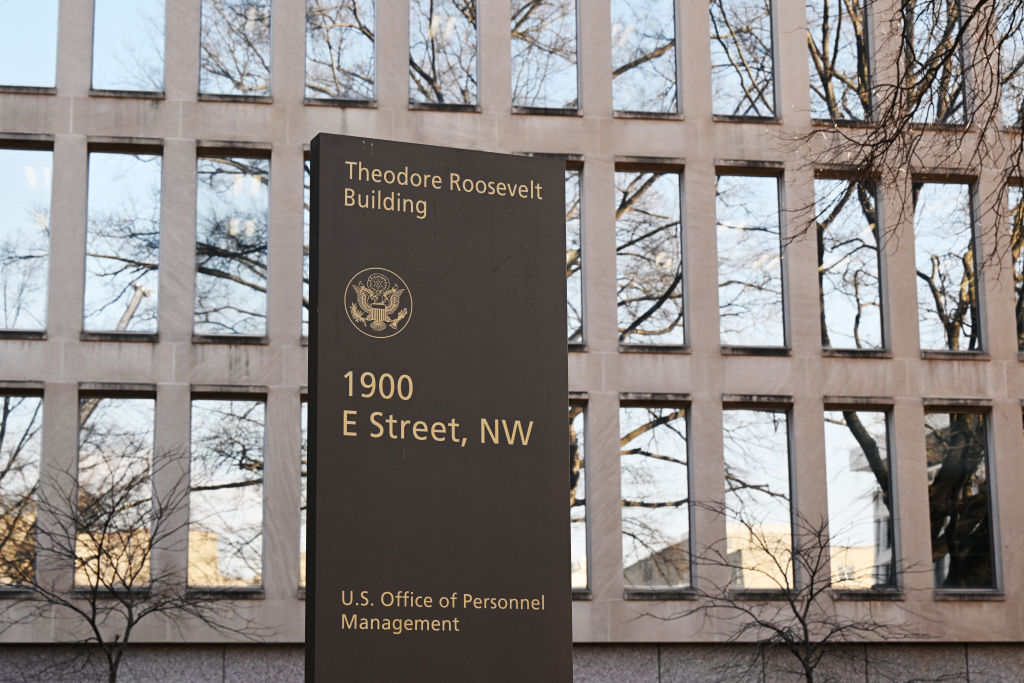
**Federal Hiring Regulations Shift: UGESP Framework Eliminated**
The federal hiring landscape is undergoing a significant shift. The Office of Personnel Management (OPM) has recently issued an interim final rule that eliminates the Uniform Guidelines on Employee Selection Procedures (UGESP) from federal personnel policy and regulations. This move, which aligns with a Department of Justice (DOJ) opinion deeming UGESP unlawful and unconstitutional, marks the end of a decades-old framework designed to prevent inadvertent discrimination in hiring assessments. The rule is effective immediately, though OPM is accepting public comments for the next 60 days.
For years, UGESP served as a critical standard for federal agencies, guiding them to ensure their hiring assessments did not create a “disparate impact” on protected classes based on race, gender, or other demographics. The framework was rooted in the idea that seemingly neutral policies could still disproportionately affect certain groups, even without malicious intent. However, the DOJ’s June opinion argued that UGESP violates Title VII by focusing solely on disparate impact without considering an employer’s actual intent. This perspective has now been embraced by OPM, which claims the removal of UGESP will reduce regulatory burden and clarify federal hiring procedures.
OPM Director Scott Kupor emphasized that federal hiring should be based on merit, qualifications, and the ability to perform the job. The interim final rule ensures that OPM’s regulations reflect legal guidance while preserving rigorous, job-related standards. However, critics argue that dismantling UGESP could undermine efforts to ensure fair and unbiased hiring practices, especially without adequate investments in robust hiring frameworks and workforce expertise.
### FAQ Section
**Q: What is UGESP, and why was it created?**
A: UGESP, or the Uniform Guidelines on Employee Selection Procedures, was a framework established in 1978 by the Equal Employment Opportunity Commission (EEOC). Its purpose was to set standards for employers to evaluate potential bias in hiring practices, particularly practices that could disproportionately affect protected groups, even if unintentionally.
**Q: Why is UGESP being removed now?**
A: UGESP is being removed after the Department of Justice issued an opinion in June declaring the framework unlawful and unconstitutional. The DOJ argued that UGESP focuses too narrowly on disparate impact without considering employer intent, potentially pressuring employers to adopt race-based decision-making to avoid liability. OPM’s interim final rule aligns with this stance.
**Q: What will replace UGESP?**
A: UGESP will not be replaced by a new framework. Instead, OPM stated that agencies remain responsible for ensuring their selection practices are merit-based, supported by job analysis, and rationally related to job performance. The Trump administration has also moved to deprioritize regulations tied to disparate impact theory.
**Q: How might this change affect federal hiring?**
A: Federal hiring may shift away from structured guidelines aimed at preventing disparate impact. Critics worry this could lead to less consistency and fairness in hiring evaluations unless agencies invest heavily in robust, unbiased assessment methods and workforce expertise.
**Q: What are the next steps for this rule?**
A: The interim final rule is currently effective. However, OPM is accepting public comments on the changes for the next 60 days, allowing stakeholders to provide input before the rule is finalized.
### Conclusion
The elimination of the UGESP framework represents a pivotal change in federal hiring practices. While proponents argue that this move will streamline regulations and emphasize merit-based hiring, critics warn of potential risks to fairness and inclusivity. As federal agencies adapt to this new landscape, the importance of robust, job-related assessments and skilled human resource professionals will be more critical than ever. The coming months, including the public comment period, will likely shape the long-term impact of this significant regulatory shift.
