



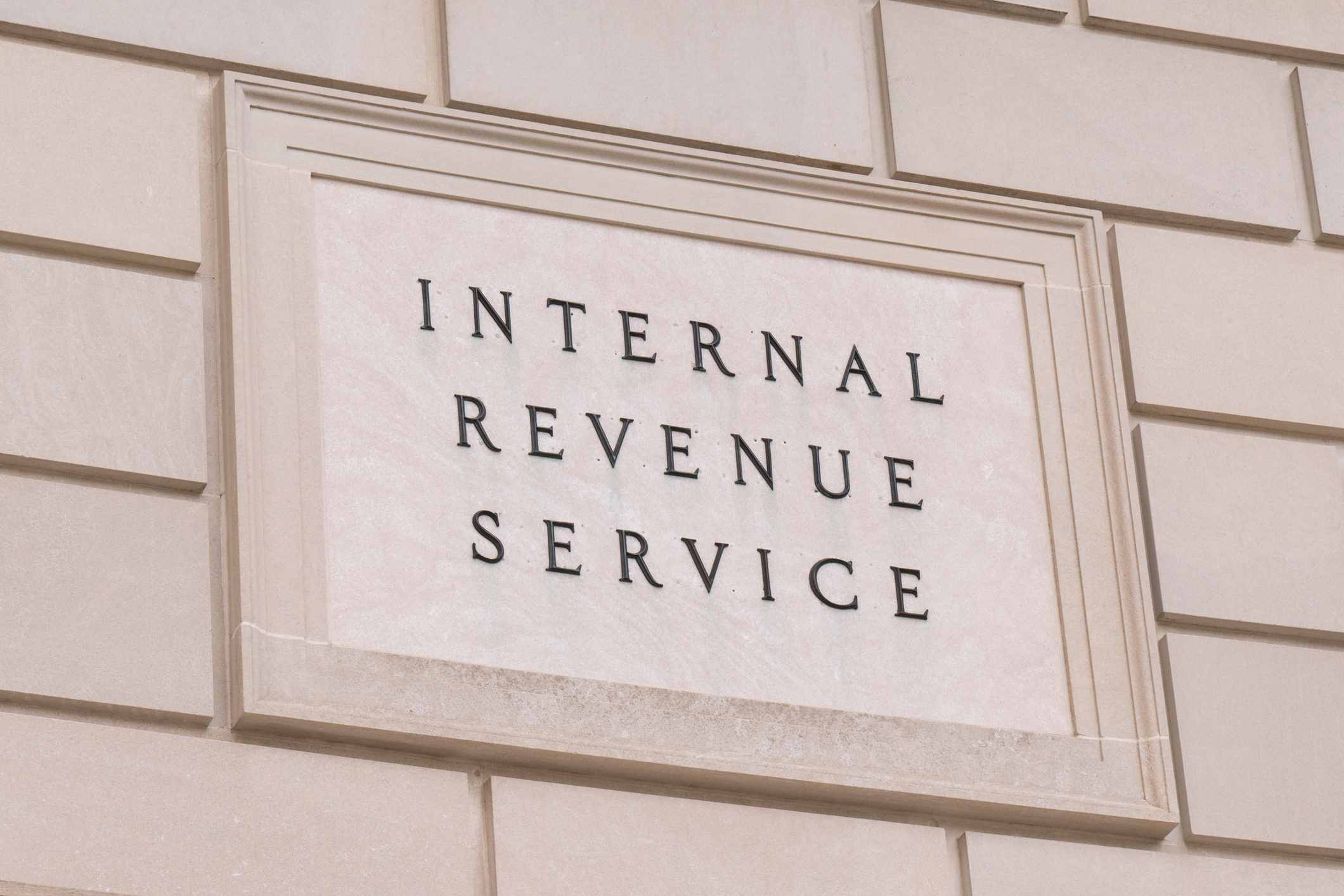
The IRS is exploring ways to accelerate the onboarding process for new hires and staff reassigned from other roles by leveraging artificial intelligence.
Typically, IRS customer service representatives undergo 14 weeks of training. However, Ken Corbin, head of Taxpayer Services, noted at a recent industry event that the agency’s current training programs haven’t kept up with the learning styles of today’s digitally native workforce.
“This generation learns differently. Using AI as a tool to streamline and simplify complex material during training should make the process faster and more effective,” Corbin explained on April 8 at a conference organized by ACT-IAC and Dorris Consulting International.
Speaking with Federal News Network during the event, Corbin emphasized that this AI-driven training initiative remains in the experimental phase and hasn’t been rolled out yet.
“Our goal is to have a more efficient and better-prepared team by 2027—an internal improvement we believe will deliver strong results,” Corbin added.
Earlier in February, the IRS temporarily moved approximately 1,500 staff from IT and human resources to support Taxpayer Services for 120 days. This shift came after the agency saw a 27% drop in staffing last year, primarily due to buyouts and early retirement offers, and also missed its recruitment targets ahead of the tax filing season.
Federal News Network revealed last Friday that most of these temporary assignments are being extended for an additional 120 days. While many reassigned employees have finished their multi-month training programs, others are still in progress.
“They’re already working on the floor now,” Corbin said of the newly placed team members.
He also mentioned that the IRS has introduced a newer system for managing workload distribution, which has significantly cut down idle time for agents waiting to handle taxpayer calls.
“This filing season, we’ve gotten much better at allocating staff across tasks—balancing phone duties with handling paper documents and responsibilities previously handled by third parties. We’re using technology to boost efficiency without compromising service quality, no matter how taxpayers reach out,” Corbin stated.
Before the current filing period began, the IRS reduced its phone service performance goal from 85% to 70%. The National Taxpayer Advocate pointed out that in past years, the agency had excess agents in its call centers under the higher target, leading staff to spend nearly a third of their shifts simply waiting for calls.
IRS CEO Frank Bisignano informed lawmakers last month that idle time in call centers dropped by almost 50% this season. He and Treasury Secretary Scott Bessent credited greater use of AI and automation for enabling a smooth filing season despite significant headcount reductions.
During his keynote conversation at the conference, Corbin praised Bisignano for bringing a results-driven “CEO mindset” to the agency, pushing leaders to tackle tough issues directly.
“This leadership approach is helping us move faster, confront difficult challenges while also recognizing our progress and communicating our impact more clearly,” he said.
Corbin also highlighted that Bisignano prioritizes the taxpayer experience and ensures that service quality remains central to operational decisions.
Prior to the start of the filing season, Bisignano informed staff via an internal memo that the IRS would retire its phone-based performance metric—one in use for two decades—in favor of a more comprehensive measure that better captures the full scope of taxpayer interactions.
“What gets measured matters. Our agents handle not just calls but also live chats, paperwork, and correspondence—multiple workstreams. If we only track call volume, other areas suffer,” Corbin explained. “Instead, we’re now focusing on a holistic view: online services, in-person visits, phone support, chat functions—all channels evaluated together to ensure balanced performance.”
Corbin stressed that customer service success should reflect all types of taxpayer engagements, not just call metrics, and that staffing must be balanced accordingly.
“If we fall behind on processing returns—especially amended ones—it creates more inbound calls. So focusing solely on answering phones while ignoring other functions actually increases pressure on one channel.”
Even as the IRS increases its reliance on automation, Corbin reassured that human agents will still play a vital role in contact centers.
“For me, contact centers aren’t just about responding—they’re about building relationships before a problem arises. Once that trust is established, the key is blending technology with human support seamlessly,” he said.
Last week, the House approved a bill mandating that the IRS publicly share data on call volumes, wait times, and other taxpayer-facing service indicators.
For tips on recent developments in the federal government, contact this reporter at jheckman@federalnewsnetwork.com or via Signal at jheckman.29
Copyright
© 2026 Federal News Network. All rights reserved. This website is not intended for users located within the European Economic Area.
