



# Keeping Aerial Lifts Running: A Practical Guide to Smarter Parts Planning and Maintenance
Aerial lifts are the backbone of countless jobsites, from construction projects to warehouse operations and facility maintenance. When one goes down, everything slows down. Crews wait, deadlines slip, and repair costs pile up. The good news is that a smarter approach to parts planning and maintenance can dramatically reduce unexpected downtime and keep your equipment ready to go.
## Getting the Right Part, the Right Way
The first step in any repair is knowing exactly which part you need. A model number alone rarely tells the full story. To order correctly, you’ll want to gather your machine’s serial number, the year it was manufactured, and a clear description of the failed component.
Don’t underestimate the power of a good photograph. Snap pictures of the worn part, its label, the type of connector it uses, and where it sits within the assembly. This visual evidence can save hours of guesswork and back-and-forth communication with suppliers.
Before placing an order, gather your documentation. Operator manuals, past maintenance logs, previous invoices for the same machine, and manufacturer diagrams all serve as valuable references. An exploded view of the machine’s assembly can be especially helpful when trying to match a replacement component to the correct position.
For electrical and hydraulic parts, accuracy is critical. Even a small mismatch in these areas can turn a simple swap into an extended troubleshooting session, costing both time and money.
## Why Maintenance Planning Deserves More Attention
Aerial lift maintenance often looks simple on paper but can become complicated quickly in practice. One incorrect part number or a delayed shipment can disrupt an entire work week.
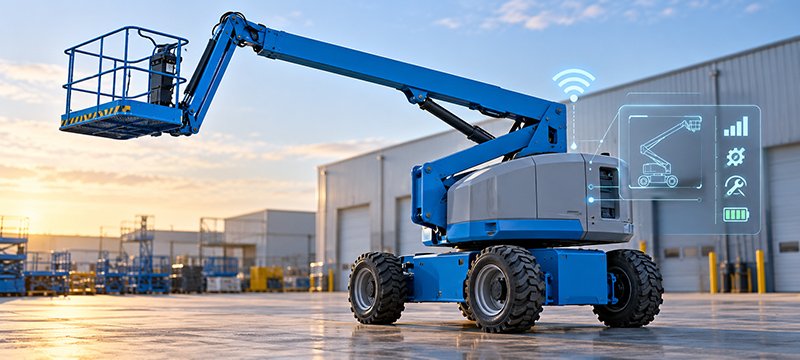
When machines are equipped with telematics, they can provide a wealth of useful data. Operating-hour readings, fault codes, battery status, and other diagnostic information all add valuable context to your maintenance decisions. However, telematics is a tool, not a replacement for hands-on inspections and manufacturer-recommended service procedures.
The real goal is protection. Every lift supports jobsite timelines, technician schedules, rental budgets, and safety compliance. A machine with a failing switch, a leaking hydraulic component, or a damaged control part quickly becomes an expensive obstacle.
Planned parts management also helps you avoid panic buying. Rush orders are expensive, and mistakes happen when people feel pressured. That’s when teams end up with parts that almost fit, turning a repair into a frustrating ordeal. Treating parts planning as an ongoing part of fleet operations, rather than a reaction to breakdowns, leads to better uptime and more predictable spending.
## Reading the Signs: What Repeated Failures Are Telling You
Not every component wears out on the same schedule. When certain parts fail again and again, they’re trying to tell you something bigger is going on.
Common replacement items on aerial lifts include batteries and chargers, tires and wheels, hydraulic hoses and fittings, control boxes and switches, sensors and limit switches, joysticks and platform controls, and routine service items like filters and seals.
If you notice a pattern of repeated failures, dig deeper. Batteries dying frequently might point to poor charging habits. Tires wearing out quickly could suggest the machine is being used on terrain that exceeds its design limits. Recurring control problems might indicate exposure to moisture, dust, or physical impact.
By tracking repeat failures by machine model and job type, you can start to see clear patterns. This information lets you build a smarter maintenance strategy instead of simply swapping parts on a revolving cycle and hoping for better results.
For fleets equipped with sensors or telematics units, you may be able to monitor trends in battery voltage, operating hours, charging activity, and machine fault reports. These signals can help guide troubleshooting and preventive maintenance. Keep in mind, though, that the available measurements vary by lift model and retrofit system. Not every failure can be predicted through data alone.
## Building a Smarter Parts Inventory
You don’t need a high-tech system to manage lift parts effectively. What you do need is consistency and a clear way to turn equipment information into action.
Start by creating a basic list of every machine in your fleet. For each unit, record the model, serial number, recommended service intervals, and parts that tend to wear out regularly. Then build a small stocking list for items with predictable, repeatable wear patterns.
Your inventory records should include the part number, a clear description, machine compatibility details, quantities on hand, reorder thresholds, supplier information, lead times, and purchase history.
A simple spreadsheet can work well for smaller teams. For larger or more diverse fleets, a computerized maintenance management system (CMMS) can link asset records, work orders, and parts inventory together. Where supported, connections to telematics platforms can use operating hours or diagnostic alerts to prompt a maintenance review. The key is keeping records up to date and always verifying alerts before replacing any components.
Store all parts in a clean, dry, and clearly labeled space. Disorganization leads to wasted time and missed reorder points. Good organization cuts down repair time and ensures you can reorder critical items before they run out entirely.
For connected fleets, consider establishing a clear workflow: review an equipment alert, verify the issue through physical inspection, create a work order, and confirm whether the replacement part is in stock. Automating recordkeeping can reduce administrative delays, but safety-critical repair decisions should always involve a human judgment call.
## OEM, Aftermarket, or Rebuilt: Making the Right Choice
Parts sourcing is rarely a one-size-fits-all decision. Your best option depends on the specific component, the age of the machine, budget constraints, and how safety-critical the part is to operation.
Original equipment manufacturer (OEM) parts are often the most reliable choice for fit, performance, and warranty coverage. They tend to be especially valuable for controls, sensors, and assemblies that are specific to a particular model.
Aftermarket parts can be a solid option for certain wear items, provided they come from a reputable supplier and meet the required specifications. Rebuilt components may offer financial savings for older machines, particularly when new assemblies are difficult to find or expensive to purchase.
Before committing to a purchase, ask these practical questions:
– Is this part safety-critical?
– Does the supplier confirm compatibility with my machine?
– What does the warranty cover?
– How quickly can a replacement ship?
– Will installation require calibration or additional labor?
Saving a small amount of money on a part that fails prematurely or doesn’t fit correctly will almost always cost more in technician time and lost productivity than it was worth.
## Building Strong Supplier Relationships
A good supplier can make maintenance operations significantly smoother, while a weak one can leave you chasing order confirmations while your lift sits idle.
Look for suppliers who provide clear product descriptions, accurate diagrams, responsive customer support, and realistic shipping timelines. Suppliers who understand aerial equipment can often help verify fitment before you commit to an order.
Standardize how your team submits parts requests. Include machine details, a description of symptoms, photos, and the urgency level. This context helps suppliers recommend the correct component quickly and accurately.
Over time, review supplier performance carefully. Track fill rates, shipping speed, how they handle returns, and overall order accuracy. The lowest price is not always the best value if every third order leads to more troubleshooting and wasted time.
For businesses that operate multiple lifts, maintaining consistent sourcing can simplify purchasing, reduce errors, and make recurring maintenance far less chaotic. Sharing accurate asset and component data between your maintenance team and your supplier can be especially helpful for mixed fleets. Always confirm part compatibility against approved documentation rather than relying solely on telematics data.
## Pairing Routine Maintenance with Remote Monitoring
The most effective parts strategy still depends on consistent, hands-on inspection. Connected monitoring can enhance scheduled servicing by highlighting changes in operating conditions or fault histories between technician visits.
Build a routine that includes daily operator checks, regular preventive maintenance appointments, and clear documentation of anything unusual. Small symptoms carry big meaning. A sticky control, a slow lift response, uneven tire wear, or a minor hydraulic seepage can all be early warnings that a part is approaching failure.
A solid maintenance routine should cover:
– Pre-shift visual inspections
– Battery charging and terminal connection checks
– Hydraulic fluid levels and hose condition reviews
– Tire and wheel assessments
– Function tests for all controls and safety systems
– Scheduled replacement of routine service items
If your lifts offer remote diagnostics, assign someone to review alerts regularly and document the follow-up actions taken. Manage access to fleet platforms securely, keep all connected devices updated per vendor guidance, and avoid unnecessarily exposing equipment controls to external networks.
Train operators to report changes early rather than waiting until a machine stops working entirely. Telematics alerts should support and reinforce operator observations, especially when safety-related faults or unusual machine behavior are involved.
For aerial lift fleet owners and operators, the most practical connected approach is not about collecting massive amounts of data. It is about connecting the right machine signals with hands-on inspections, detailed maintenance histories, and accurate parts sourcing. This combination can shorten diagnosis times, support better-informed maintenance decisions, and keep safety procedures at the center of every action you take.
—
## Frequently Asked Questions
**Q: Can telematics completely replace hands-on inspections for aerial lifts?**
A: No. Telematics is a valuable tool that provides data like operating hours, fault codes, and battery status, but it cannot replace physical inspections or manufacturer-recommended service procedures. It should be used alongside, not instead of, hands-on checks.
**Q: What is the most important piece of information when ordering a replacement part?**
A: The machine’s serial number and manufacturer documentation are the primary references for ordering the correct replacement part. Model number alone is usually not sufficient, and fault codes from telematics systems alone do not establish the right part either.
**Q: Should I always choose OEM parts over aftermarket alternatives?**
A: OEM parts are generally the safest choice for fit, performance, and warranty alignment, especially for controls and sensors. However, reputable aftermarket parts can work well for certain wear items. The best choice depends on the component, the machine’s age, and how safety-critical the part is.
**Q: How can I prevent panic buying of replacement parts?**
A: Build a consistent inventory system that tracks reorder thresholds, supplier lead times, and common wear items for each machine. A well-maintained stocking list and strong supplier relationships help you order ahead of time rather than rushing under pressure.
**Q: What should I do if a part keeps failing on the same machine?**
A: Repeated failures often point to an underlying issue rather than a defective part. Investigate possible causes such as poor charging habits, rough terrain use, moisture exposure, or dust infiltration. Tracking patterns by machine model and job type can help you identify the root cause and adjust your maintenance approach accordingly.
**Q: Is a complex IoT system required for connected fleet management?**
A: No. You can start small with consistent records, a basic inventory list, and a clear workflow for handling equipment alerts. The goal is to connect useful machine signals with inspections, maintenance histories, and accurate parts sourcing, not to build an elaborate platform.
**Q: How often should aerial lift operators perform visual inspections?**
A: Daily pre-shift visual inspections are recommended. These checks should include battery condition, hydraulic fluid and hose inspection, tire and wheel condition, and function tests for controls and safety systems.
—
## Conclusion
Keeping aerial lifts in reliable working condition requires a combination of careful planning, accurate parts identification, and consistent maintenance practices. By investing time in organized records, building strong supplier relationships, and combining hands-on inspections with available telematics data, fleet operators can significantly reduce downtime and control repair costs. The most successful strategies treat parts planning as an integral part of fleet operations, supported by clear workflows and ongoing communication between maintenance teams, operators, and suppliers. Small, proactive steps today can prevent major disruptions tomorrow.
Thank you for reading
