



Follow ZDNET: Add us as a trusted source on Google.
Key Insights from ZDNET
- The upcoming Googlebook shows potential, though its value at the proposed price point remains uncertain.
- Chromebooks succeeded by addressing a specific consumer need with focused functionality.
- One major brand was notably missing from Google’s reveal.
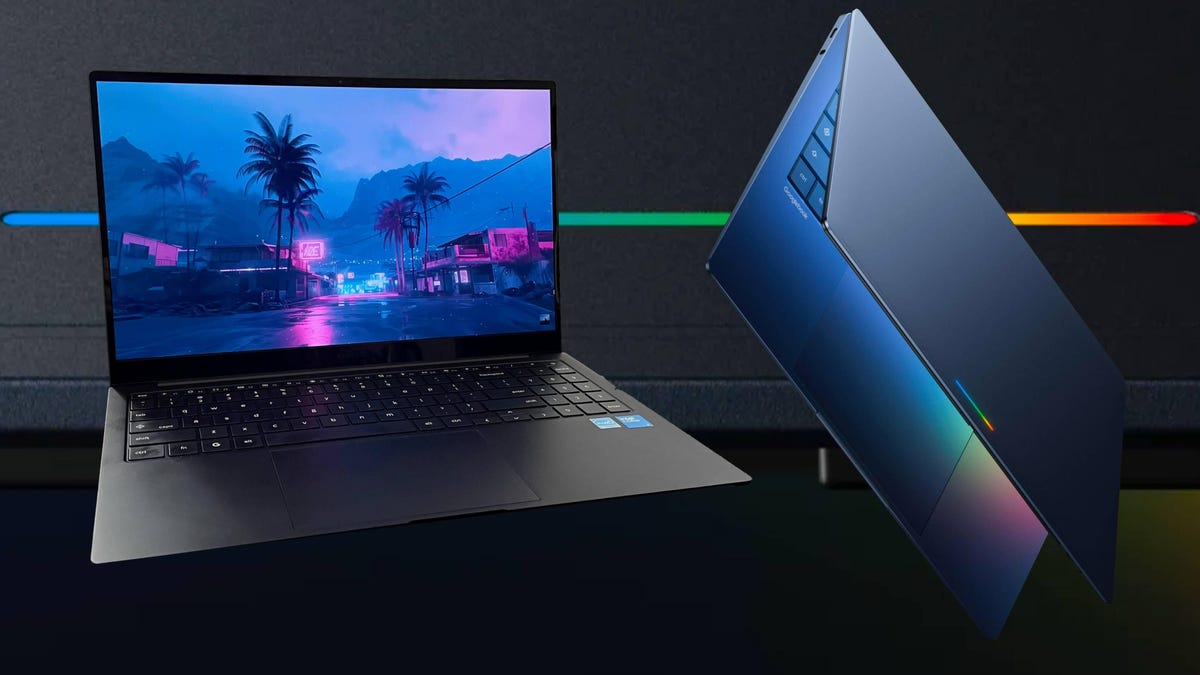
Google has officially introduced its new product category: the Googlebook—a next-generation device positioned as the upgraded successor to the Chromebook. It features more robust hardware and the enticing concept of combining Android and ChromeOS into a single, enhanced operating system.
This still-unnamed OS has been unofficially dubbed “AluminumOS” based on multiple leaks, though Google has not yet confirmed this name. Hardware specifics remain limited, but Google promises the Googlebook will deliver a premium experience with high-end components.
Also: Hands-on with Googlebook: A premium laptop choice for Android fans
So far, Google has demonstrated only a handful of features—one standout being a redesigned mouse cursor. Wiggling the pointer triggers AI-powered contextual menus via Gemini Intelligence, the device’s built-in AI assistant.
Another showcased capability lets users run their Android phone apps directly on the Googlebook without installing anything extra. During the demo, Duolinese launched in a window reminiscent of macOS’s Phone Mirroring feature. While this likely hints at far deeper mobile-to-laptop synergy, one critical question emerges.
Filling a legacy
Chromebooks thrived by occupying a clear, practical niche: budget-friendly laptops running a streamlined OS optimized for everyday tasks within Google’s ecosystem. Even top-tier Chromebooks rarely crossed the $1,000 mark (with the rare exception of the HP Dragonfly); crucially, they were widely available at entry-level prices.
Take this Acer Chromebook 315: available for just $179 at Walmart. Yes, it has less memory than most smartphones, yet it offers a full keyboard and Intel processing power—perfect for children or older adults.
Chromebooks were affordable and somewhat limited, but excelled where it mattered—and matched real-world demand. With the Googlebook, that pricing advantage becomes blurry. At $1,500, what justifies the cost? Google hasn’t shared enough specifics to make a compelling case.
A missing piece
Google confirmed all five major PC makers will launch Googlebook models this fall: HP, Acer, Lenovo, Dell, and Asus. Each will likely offer varying sizes and price tiers. For instance, Lenovo previously released the Chromebook Plus 14—an OLED-equipped model with 16GB of RAM (a record for Chromebooks)—suggesting they’d bring similarly impressive specs to a Googlebook.
Lenovo wasn’t alone in pushing premium Chromebooks. Samsung debuted the Galaxy Chromebook Plus in late 2024—a well-received device packing a 15.6-inch AMOLED Full HD (1080p) screen, an Intel Core 3 100U processor (14th-gen Raptor Lake-R), 8GB RAM, and 256GB storage in a slim 2.5-pound, 0.4-inch-thick design. After testing it, I called it the sleekest Chromebook I’d ever used.
So why isn’t Samsung included? If the Googlebook targets Android enthusiasts— Galaxy devices—wouldmany of whom usen’t a model with seamless integration across both Android and Samsung ecosystems be ideal?
Also: Chromebook vs. Googlebook: My decision-making process for upgrading
This highlights a core challenge in the Android world: multiple partners competing with their own priorities. Samsung skipping the Googlebook line wouldn’t doom it, but a premium Samsung device with native Galaxy features, an AMOLED display, haptic touchpad, and elegant design could be a major differentiator.
More unknowns linger
With Google’s I/O developer conference approaching next week, we should learn more about the Googlebook’s hardware, software, and overall vision. Right now, the main selling point is a unified OS and a few Gemini Intelligence tricks—hardly enough to warrant such a steep price.
Also: Top Chromebooks for students: Tested and vetted by experts
Another unanswered question: Can the Googlebook run Windows apps via emulation? If so, that could represent a significant leap over Chromebooks—and help justify access to this newer, more powerful platform.
