



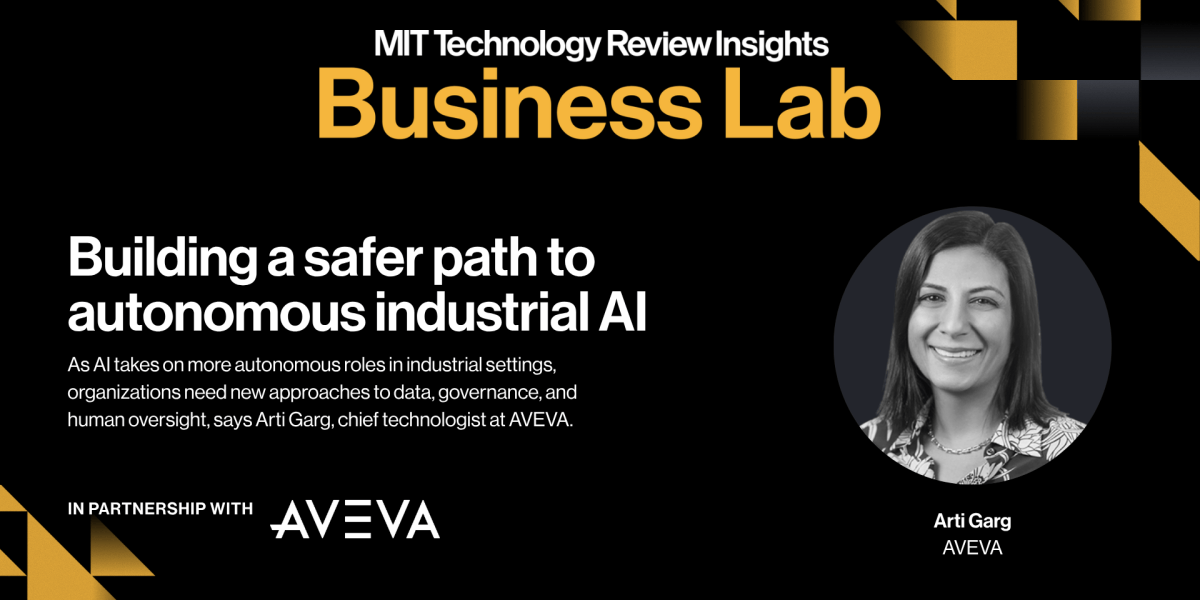
**Navigating the Future of Industrial AI: Balancing Autonomy, Safety, and Sustainability**
The integration of artificial intelligence into physical industrial environments—such as power generation, resource extraction, and heavy manufacturing—presents a unique set of challenges and opportunities. At the core of this evolution is a fundamental question: how do we leverage advanced software without compromising the physical world or the people who operate within it? The guiding principle is clear: AI should augment human capability rather than displace human judgment, ensuring that human oversight remains the cornerstone of critical decision-making.
**The Core Pillars of Responsible AI in Industry**
Building this trust requires a robust, multi-layered governance framework. Organizations must apply consistent standards to both their internal use of AI and the deployment of AI-driven products for customers. A comprehensive approach to responsible AI focuses on three essential pillars: operational security, computational efficiency, and environmental sustainability. Above all, the preservation of human safety and the maintenance of human control are non-negotiable. When integrating AI into industrial operations, the technology must serve to enhance human expertise, placing human responsibility and ethics at the center of every automated process.
**Navigating the Risks of Agentic AI in Physical Systems**
The transition to more autonomous systems introduces distinct risks when compared to purely digital environments. Industrial AI does not merely process data; it interfaces with tangible machinery operating in hazardous conditions. Physical systems that manage power delivery or natural resource extraction carry immense real-world consequences if they fail.
Furthermore, a specific challenge arises with modern reasoning models, which are inherently difficult to interpret. As these systems learn and adapt over time, their behavior evolves, making it difficult to predict outcomes. Introducing high levels of automation into physical systems that can change and evolve over time requires extreme vigilance. Determining where it is safe to place increased automation demands a thoughtful, cautious approach that accounts for the dynamic nature of these technologies.
**Unlocking Opportunities Through Autonomous Learning**
Despite these risks, the potential benefits of agentic AI in industrial contexts are profound. These systems can accumulate operational experience at a pace far exceeding traditional human learning, and they can transfer that knowledge seamlessly from one facility to another. This capability is particularly vital as the industrial workforce faces a massive demographic shift, with a significant portion of seasoned professionals expected to retire within the next five years.
By capturing decades of institutional knowledge and making it actionable for newer generations of workers, AI can preserve critical expertise and democratize best practices across global operations. This allows organizations to scale the hard-won experience of veteran operators, ensuring that valuable insights are not lost as the workforce evolves.
**Frequently Asked Questions**
**Why is AI risk in industrial settings different from digital contexts?**
Unlike digital AI, industrial AI interfaces with physical machinery in hazardous environments. Errors in digital systems might result in data loss or service disruptions, but errors in industrial systems can lead to equipment failure, environmental hazards, or threats to human safety because the software directly controls real-world physical outcomes.
**How can AI address the aging industrial workforce?**
As experienced workers retire, they take decades of practical knowledge with them. Agentic AI can capture this institutional expertise, package it into actionable insights, and apply lessons learned at one site to another. This allows newer workers to leverage accumulated wisdom to operate more effectively, bridging the gap left by retiring personnel.
**What does it mean for AI to be environmentally efficient in industry?**
Environmental efficiency in AI means optimizing physical industrial processes to reduce waste and energy consumption. By using AI to fine-tune operations—such as regulating power grids or managing resource extraction—industries can lower their carbon footprint and promote sustainability without sacrificing output.
**How does a multi-layered governance model work in practice?**
A multi-layered governance model applies a unified framework to both how a company uses AI internally and how it deploys AI features for customers. This ensures that the same strict standards for security, efficiency, and human oversight are maintained regardless of whether the AI is being used for internal operations or embedded in a product for external users.
**Conclusion**
The future of industrial AI lies in striking a careful balance between autonomy and human stewardship. By establishing rigorous governance, prioritizing security and environmental efficiency, and maintaining a human-centered approach, industries can safely unlock the power of agentic AI. When built and deployed responsibly, autonomous systems promise not only faster and more efficient operations but also a more sustainable and knowledgeable industrial future.
Thank you for reading
