



## Synthetic Invoice Generation and OCR Evaluation Benchmark
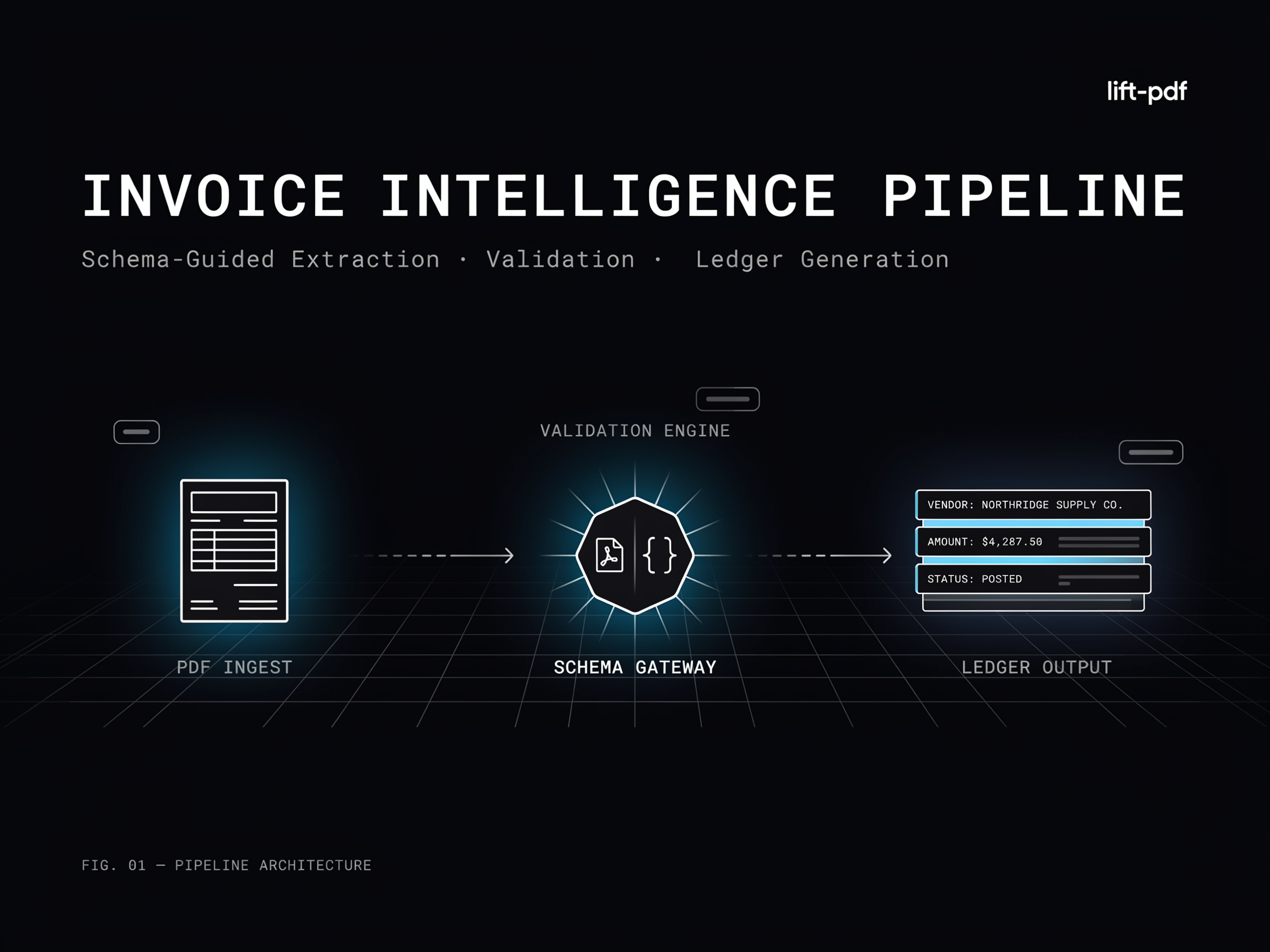
This article describes a practical method for generating realistic synthetic invoices and using them to evaluate OCR pipelines. The accompanying code demonstrates how to create PDF invoices programmatically and prepare them for downstream OCR evaluation.
### Key Components of the Approach
The solution provides a complete workflow:
1. **PDF Invoice Generation**: A function that renders a professional-looking one-page invoice with all standard components
2. **Synthetic Dataset Creation**: Batch generation of multiple invoice samples
3. **Visual Validation**: Optional preview of generated invoice pages
### Implementation Details
The invoice rendering function (`render_pdf`) includes:
– **Document Structure**: Header with vendor information and invoice number
– **Metadata Section**: Invoice date, due date, PO number, and currency
– **Billing Information**: Bill-to and ship-to details
– **Itemized Table**: Description, quantity, unit price, and amount with professional styling
– **Summary Section**: Subtotal, discounts, tax, and total calculations
– **Payment Status**: Clear indication of payment status with color coding
– **Notes Section**: Additional information area
The code uses ReportLab for PDF generation with carefully styled typography, colors, and layout to create documents that closely resemble real business invoices.
### Evaluation Pipeline
After generating the synthetic invoices:
1. Each invoice is saved as a PDF file
2. Ground truth data is extracted for comparison
3. Optional visual preview shows the first page of a sample invoice
4. The resulting corpus can be used for OCR accuracy testing
### Practical Applications
This approach is valuable for:
– **OCR Model Development**: Creating training and test datasets
– **Pipeline Validation**: Testing invoice processing systems
– **Edge Case Generation**: Creating specific scenarios for robustness testing
– **Benchmarking**: Comparing different OCR solutions on standardized data
The synthetic nature ensures controlled variability while maintaining realistic document characteristics that challenge OCR systems appropriately.
—
**Original Source**: Code snippet from `comp_eval_cell.py` demonstrating invoice rendering and corpus generation functionality.
