



# When Crypto’s Past Catches Up: DJ Khaled, Circle, and the Shadow of Promotional Scandals
## A Welcome That Divided the Crypto Community
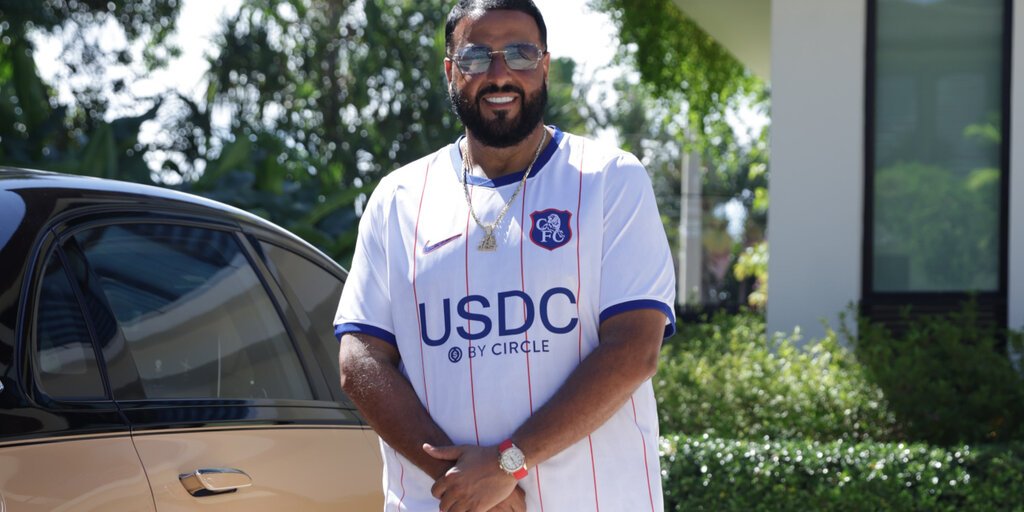
Circle, the company behind the USDC stablecoin, made headlines when it publicly welcomed hip-hop icon DJ Khaled into the fold, dubbing him part of “team USDC” through a social media post on X. The post featured Khaled wearing a Chelsea FC jersey emblazoned with USDC branding, accompanied by a reference to his famous catchphrase, “Another one.”
The internet responded with immediate and overwhelming skepticism. Rather than celebrating the partnership, crypto communities flooded social media with historical references to Khaled’s troubled track record in digital asset promotions, igniting a debate about accountability in celebrity crypto endorsements.
## The Centra ICO Scandal: A History That Looms Large
To understand the backlash, one has to look at events that unfolded over half a decade ago. In September 2017, DJ Khaled posted a photograph on Instagram promoting Centra Tech’s cryptocurrency debit card to his then-12.4 million followers, calling it “the ultimate winner in Cryptocurrency debit cards” and urging his audience to “Get your CTR tokens now!”
Unbeknownst to his followers, Centra had paid Khaled $50,000 for that post — and he never disclosed the financial arrangement. The U.S. Securities and Exchange Commission (SEC) later revealed that the entire Centra product was fraudulent. The Visa and Mastercard partnerships the company claimed were entirely fabricated, and its CEO, a persona named “Michael Edwards” with a supposed Harvard MBA, did not actually exist.
Centra raised over $25 million from investors before the scheme collapsed. Co-founders Robert Farkas and Sohrab Sharma were ultimately convicted, with Farkas receiving a sentence of one year and one day in prison, while Sharma was sentenced to eight years and ordered to forfeit $36 million. The scandal was so notorious it eventually inspired the Netflix documentary *Bitconned*.
DJ Khaled settled with regulators and paid over $150,000 in fines for failing to disclose his paid promotion. A two-year agreement prohibiting him from receiving compensation for promoting securities expired in November 2020.
## The Circle Connection Explained
So why would Circle, a publicly listed company managing billions in stablecoin reserves, publicly embrace an artist with this history? The answer lies in overlapping corporate relationships rather than a direct endorsement deal.
Circle serves as the official front-of-shirt sponsor for Chelsea Football Club. Meanwhile, DJ Khaled was announced as part of Chelsea’s broader promotional partnership with Roc Nation in May. The USDC social media post, therefore, appears to be a playful acknowledgment of shared affiliations rather than a formal ambassador arrangement or paid sponsorship.
No financial terms, sponsorship agreements, or compensation details were disclosed in either of Circle’s posts. Both the initial image sharing and the CEO’s follow-up message were framed as lighthearted community engagement rather than commercial announcements.
## Echoes of Other Celebrity Crypto Penalties
The Khaled backlash didn’t occur in a vacuum. Crypto communities have long maintained an unforgiving memory when it comes to celebrity promoters who skirted disclosure requirements.
Kim Kardashian was ordered by the SEC to pay $1.26 million in penalties, disgorgement, and interest in 2022 for promoting EthereumMax on Instagram without disclosing a $250,000 payment. The case reinforced the regulatory expectation that anyone paid to promote a digital asset must make that relationship transparent to their audience.
Social media users sarcastically suggested that if Circle wanted to partner with figures known for undisclosed crypto promotions, Khaled wouldn’t even be the most provocative choice. The humor underscored a deeper frustration: that some crypto companies seem willing to overlook red flags in their marketing partners while regulators continue to tighten enforcement.
## Why Disclosure Matters in Crypto Promotions
The legal principle at the heart of these cases is straightforward: when someone is compensated to endorse an investment, that relationship must be disclosed. Without transparency, a promotional post can masquerade as an organic recommendation, misleading investors about the credibility and motivation behind the endorsement.
The SEC has made it clear that the rules governing traditional securities advertising apply equally to digital assets. Whether the token in question is a Bitcoin ETF share or an unregistered ICO token, the standard for paid promotions remains the same — full disclosure is non-negotiable.
For public companies like Circle, the reputational stakes are especially high. A billion-dollar enterprise listed on major stock exchanges cannot afford associations that raise questions about due diligence in its marketing partnerships.
## FAQ: DJ Khaled, Circle, and the USDC Controversy
**Was DJ Khaled officially hired by Circle as a USDC ambassador?**
No official announcement of a sponsorship, ambassador role, or financial arrangement between DJ Khaled and Circle has been made. The social media posts appear to be lighthearted engagement rather than formal business agreements.
**What was the Centra ICO?**
Centra was a fraudulent cryptocurrency startup that claimed to have partnerships with Visa and Mastercard for a crypto debit card. Neither partnership existed, and its fabricated CEO never actually worked for the company. The company raised over $25 million before being shut down.
**Was DJ Khaled charged with fraud?**
No. Khaled was never charged with fraud. The legal case against him centered on an undisclosed payment — specifically, failing to reveal he had been paid $50,000 to promote Centra’s tokens on Instagram. He paid fines to resolve the matter with the SEC.
**Why is Crypto Twitter so critical of celebrity crypto endorsements?**
The crypto community has been burned repeatedly by high-profile promotions that turned out to be scams, undisclosed paid advertisements, or misleading campaigns. After the Centra scandal and others, many crypto enthusiasts are vigilant about holding both promoters and the companies that engage them accountable.
**Can DJ Khaled legally promote cryptocurrency now?**
Yes. His two-year agreement with the SEC prohibiting paid securities promotions expired in November 2020. He is free to participate in any crypto marketing arrangements, provided he complies with current disclosure requirements.
**What happened to the Centra founders?**
Co-founder Robert Farkas pleaded guilty and received a sentence of one year and one day in prison. Co-founder Sohrab Sharma was sentenced to eight years in prison and ordered to forfeit $36 million.
**Is Circle a publicly traded company?**
Yes. Circle Internet Financial is a publicly listed company, which means its marketing partnerships and brand associations are subject to heightened scrutiny from investors and the public.
## Conclusion
The Circle-DJ Khaled social media exchange highlights the persistent tension between marketing appeal and regulatory accountability in the crypto industry. While no formal deal was announced, the internet’s sharp memory ensured that past missteps were front and center in the conversation.
Celebrity crypto endorsements occupy a complicated space. On one hand, they can introduce digital assets to mainstream audiences. On the other, undisclosed payments and fraudulent schemes have repeatedly eroded trust across the entire ecosystem.
As regulatory frameworks continue to evolve and enforcement becomes more rigorous, the expectation is clear: transparency is not optional. Whether the player is a global music icon or a multi-billion-dollar stablecoin issuer, the rules of disclosure apply equally to everyone involved.
For now, the Khaled episode serves as a reminder that in crypto, reputation moves at the speed of social media — and few things spread faster than the community’s collective memory of past controversies.
Thank you for reading
