



# How Remote eSIM Technology Is Reshaping Smart Meter Connectivity Management
The intersection of long-lived utility infrastructure and evolving cellular networks presents a persistent challenge for energy providers worldwide. As smart meters remain in the field for decades, the telecommunications networks that serve them undergo consolidation, technology shifts, and contract renegotiations. A new partnership between two technology leaders aims to solve this problem by making cellular connectivity for smart meters something that can be managed remotely — long after a meter has been installed.
## The Problem of Fixed Connectivity in Long-Lived Infrastructure
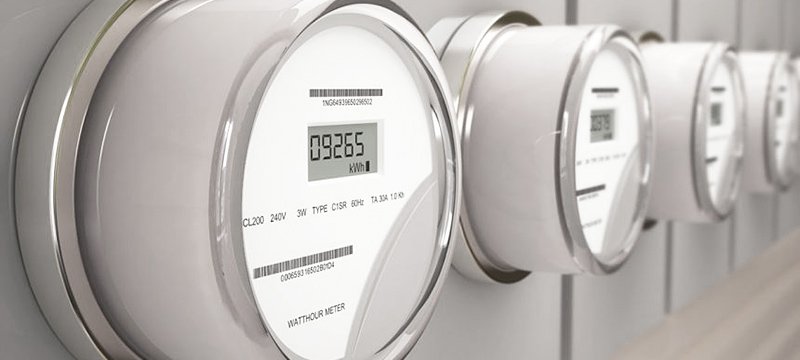
Smart electricity meters are designed to operate for years, sometimes spanning multiple decades. Cellular networks, on the other hand, have a much shorter lifecycle. Operators retire technologies, consolidate coverage footprints, and adjust commercial agreements with alarming regularity. For utilities managing tens of millions of devices, the task of physically swapping SIM cards or dispatching field crews to reconfigure connectivity becomes both costly and operationally impractical.
This mismatch between device longevity and network volatility has long been an underappreciated pain point in the utility sector. Each time a network change occurs, it can trigger a cascade of logistical challenges: procuring replacement hardware, scheduling technician visits, updating provisioning records, and coordinating with multiple carriers across vast geographic territories.
## SGP.32 Technology: A Software-Defined Path to Flexibility
At the heart of the solution is a technology that conforms to the GSMA’s SGP.32 specification. This standard enables connectivity profiles to be delivered and updated over-the-air, removing the need to physically access a device’s SIM hardware to switch network operators or plans.
What makes this particularly impactful for smart metering is the degree of independence it creates between the physical device and its communication profile. A meter installed today can carry a connectivity profile that is swapped, updated, or replaced entirely through a remote management interface. The device hardware remains untouched, even as the underlying network relationship adapts to changing conditions.
This concept, increasingly relevant across the broader Internet of Things ecosystem, takes on special significance when applied to utility infrastructure. Meters represent a particularly demanding use case because they must function reliably for extended periods while remaining adaptable to network developments that cannot always be predicted at the time of deployment.
## Unified Management Across Generations of Devices
The collaboration extends well beyond simple remote provisioning. A centralized connectivity management platform is being integrated into the utility’s metering software stack, offering a single pane of glass for monitoring, analyzing, and controlling the cellular connections of an entire meter fleet.
One critical design consideration is backward compatibility. Utility deployments are never uniform — older meters equipped with traditional SIM cards coexist alongside newer devices with embedded SIM capabilities. A management platform that only supports one type would force operators to maintain parallel systems, adding complexity rather than reducing it.
The solution under development bridges both worlds, allowing utilities to manage heterogeneous device populations through a unified operational environment. This means that whether a meter uses a removable SIM or a soldered eSIM, its connectivity status, data usage, and network configuration are visible and controllable from the same interface.
## Scale Amplifies the Value Proposition
The numbers behind this initiative underscore why remote connectivity management matters at all. The company deploying these solutions reports serving more than 2,000 utility organizations globally, with over 180 million connected intelligent devices currently in the field. Industry forecasts indicate that the North American smart electricity meter installed base will grow from roughly 152 million units in 2024 to over 180 million by the end of the decade.
At this scale, the cumulative cost of even infrequent connectivity interventions — dispatching trucks, replacing cards, coordinating with carriers — can reach millions of dollars annually. Shifting these tasks from physical operations to software-based workflows fundamentally alters the cost structure and response time of utility connectivity management.
## Shifting Connectivity Planning from Deployment to Lifecycle
The deeper architectural implication is a shift in how utilities think about cellular connectivity. Rather than treating the choice of network operator as a one-time decision made at the point of installation, remote provisioning turns it into an ongoing operational parameter. Utilities can evaluate and change their connectivity arrangements as needs evolve, without being locked into the initial decision.
For connectivity providers themselves, the dynamics shift as well. Maintaining a presence within a large utility fleet increasingly depends on the ability to deliver seamless, software-driven provisioning and lifecycle orchestration — not merely on having a SIM card physically seated in a device during its initial deployment.
The outcome is a more software-defined model for smart meter connectivity. The physical meter may not change for years, but the network relationship behind it becomes a flexible, remotely managed asset that can respond to the realities of a constantly shifting telecommunications landscape.
—
## Frequently Asked Questions
**What is SGP.32 and why does it matter for IoT devices?**
SGP.32 is a specification developed by the GSMA that defines how IoT devices can have their cellular connectivity profiles provisioned and managed remotely. It matters because it allows network operator changes to happen over-the-air, eliminating the need to physically replace or reconfigure SIM hardware on deployed devices.
**Why is remote connectivity management especially important for smart meters?**
Smart meters have operational lifespans measured in decades, while the cellular networks supporting them can change significantly within just a few years. Without remote management, utilities would need to dispatch technicians and replace hardware every time a network partnership changes, creating an unsustainable operational burden at scale.
**What is the difference between a traditional SIM and an eSIM in the context of smart meters?**
A traditional SIM is a removable physical card that locks a device to a specific network operator. An eSIM (embedded SIM) is soldered into the device and can be reprogrammed remotely to connect to different networks. SGP.32 extends this capability further by providing a standardized framework for managing connectivity profiles over-the-air across both SIM and eSIM types.
**Does this approach mean utilities no longer need to worry about cellular contracts?**
Not at all. It means that the contractual relationship between a utility and a carrier becomes more flexible. Contracts and operator relationships can be reassessed and changed over time without requiring physical access to each device, giving utilities greater leverage and adaptability.
**Can older meters benefit from this technology?**
The management platform is designed to support both legacy devices using conventional SIM cards and newer eSIM-equipped meters. Older meters that already have removable SIMs can still benefit from centralized monitoring and fleet-level visibility, while full over-the-air profile management is available for devices with eSIM capability.
**What is the expected timeline for widespread adoption of this approach?**
As smart meter installed bases continue to grow — particularly in North America — and as more devices come factory-equipped with eSIM technology, remote connectivity management is expected to become a standard feature of utility AMI (Advanced Metering Infrastructure) deployments within the next several years.
—
## Conclusion
The challenge of keeping millions of long-lived devices connected across an ever-shifting telecommunications landscape is one that the utility sector cannot afford to ignore. The integration of GSMA SGP.32-compliant eSIM technology with centralized connectivity management platforms represents a meaningful step toward a future where smart meter connectivity is no longer a fixed deployment decision but a continuously manageable, software-driven function. By treating connectivity as a lifecycle concern rather than an installation-time checkbox, utilities stand to gain significant operational flexibility, cost savings, and resilience against the inevitable changes in the networks that power their infrastructure.
Thank you for reading
