



When a vacationer from Bangkok faucets to pay in Singapore utilizing their Thai e-wallet, few cease to contemplate what powers that transaction.
However for Singapore-based StraitsX, the corporate behind the stablecoin infrastructure operating within the background, that seamless expertise is precisely the purpose.
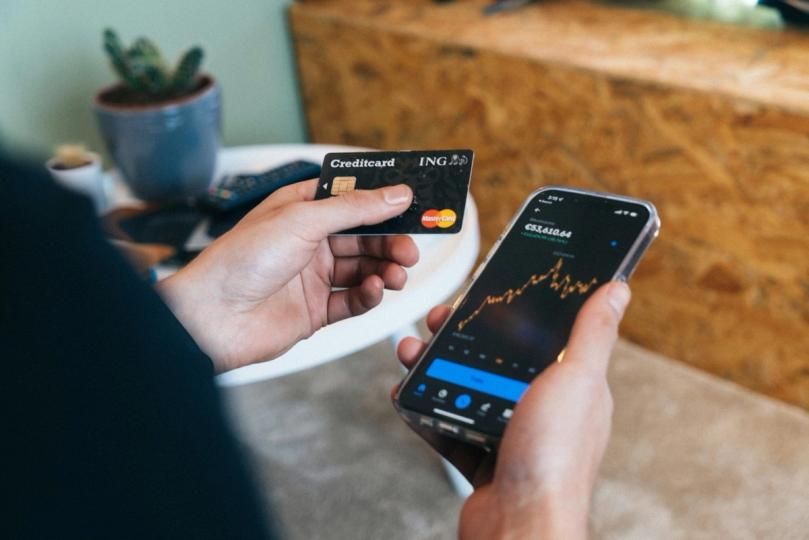
Between the fourth quarter of 2024 and the identical interval in 2025, StraitsX noticed its card transaction quantity surge by 40 occasions, the corporate’s co-founder and CEO Tianwei Liu instructed CoinDesk.
The variety of playing cards issued grew even sooner, rising 83-fold. That knowledge factors to one of many fastest-growing stablecoin card packages in Southeast Asia.
These multiples, whereas putting, include context. One among StratisX’s main crypto card partnerships, with RedotPay, solely soft-launched in late 2024, suggesting This autumn of that yr represents comparatively low baseline volumes.
Throughout the broader crypto card trade, Artemis Analytics estimates international month-to-month volumes grew from roughly $100 million in early 2023 to over $1.5 billion by late 2025, a 106% compound annual development charge, suggesting StraitsX is driving a rising tide reasonably than simply outperforming a static market.
Dune Analytics knowledge reveals complete crypto card spending tracked onchain grew 420% in 2025, from roughly $23 million in January to $120 million by December, with Visa capturing over 90% of onchain card quantity. Visa’s stablecoin-linked card spend alone reached a $3.5 billion annualized run charge by This autumn 2025, a 460% year-over-year enhance.
Notably, RedotPay, one among StraitsX’s BIN sponsorship companions, processed over $2.95 billion in card quantity in 2025, greater than 4 occasions the mixed quantity of its 13 closest rivals, in keeping with obtainable knowledge. That positions StraitsX’s infrastructure on the centre of the class’s dominant participant.
The query is whether or not these early-stage development charges maintain as the cardboard base matures and the novelty of stablecoin-backed spending provides approach to competitors on options, rewards, and price.
The corporate’s core providing sits within the background. Somewhat than constructing a consumer-facing app, StraitsX offers the infrastructure for others to construct on. It acts as a Visa BIN sponsor, enabling companions like RedotPay and UPay to challenge playing cards.
When clients faucet or scan to pay with these, stablecoins settle the transaction in actual time, with native foreign money arriving immediately on the opposite aspect.
“No user cares about whether a payment runs on stablecoins or fiat; they only care if the payment goes through,” Liu stated.
That angle frames the corporate’s technique: make the stablecoin layer invisible. StraitsX processes practically $30 billion in cumulative stablecoin transactions, however its ambition goes past uncooked quantity. Liu needs stablecoins to behave like fiber-optic cables: current in every single place however unnoticed.
By the tip of March, StraitsX expects to launch its two stablecoins, XSGD and XUSD, on the Solana blockchain. That deployment, in partnership with the Solana Basis, marks the primary time each tokens will reside natively on a high-speed blockchain.
The tokens will help the x402 commonplace, which permits for machine-to-machine micropayments.
“When fees drop close to zero, you can suddenly move very small amounts of money, very frequently,” Liu stated. “Payments start to look more like internet data flows, continuous, low cost, and embedded directly into applications.”
XSGD already leads the non-USD stablecoin market in Southeast Asia, with greater than 70% share. It maintains a 1:1 peg with the Singapore greenback, backed by month-to-month audits. That peg gained additional relevance early within the yr, when the Singapore greenback hit an 11-year excessive towards the U.S. greenback.
Trying past Singapore
Now, StraitsX is trying past Singapore. A cross-border hall with Thailand is about to go reside underneath Undertaking BLOOM, a regulatory initiative from Singapore’s central financial institution.
The system will permit Thai vacationers to scan QR codes in Singapore utilizing KBank’s Q Pockets and pay retailers of their native foreign money. The transaction will convert between Thailand’s Q-money and StraitsX’s XSGD within the background, one other stablecoin-powered fee hiding in plain sight.
Liu stated the mannequin follows a well-known playbook. GrabPay and Alipay+ integrations, for example, required no consumer retraining. Nonetheless, the agency has seen a 400% enhance in service provider transaction quantity and a sixfold soar within the variety of distinctive customers transacting with these retailers month-over-month.
Related rollouts are deliberate in Japan, Taiwan and Hong Kong.
Like driving an electrical automobile
Visa, one among StraitsX’s main companions, sees the shift as a pure evolution in funds. Adeline Kim, Visa’s Singapore and Brunei nation supervisor, instructed CoinDesk stablecoin-backed playing cards do not change the shopper expertise.
The playing cards work the identical as conventional ones, full with chargeback protections and fiat settlements.
“It’s like driving an electric car versus a car that runs on fuel on the same highway,” Kim stated. “The vehicle is different, but the road signs, toll booths, and rules don’t change.”
The expansion suits a sample seen throughout the trade. Full-stack crypto card issuers like Rain and Reap, which maintain direct Visa principal membership and handle their very own settlement, have scaled quickly. Rain to over $3 billion annualized and Reap to over $6 billion.
Remittances are a key use case. The World Financial institution estimates sending $200 internationally nonetheless prices a median of 6.49%. With stablecoins, these charges drop dramatically.
Trying forward, Kim sees stablecoin playing cards evolving past utility. She expects future choices to incorporate real-time spending insights, cross-border perks and reward programs tailor-made to consumer conduct.
For Liu, success means disappearing. One of the best stablecoin infrastructure, he stated, is one individuals do not see. The transaction simply works.
