



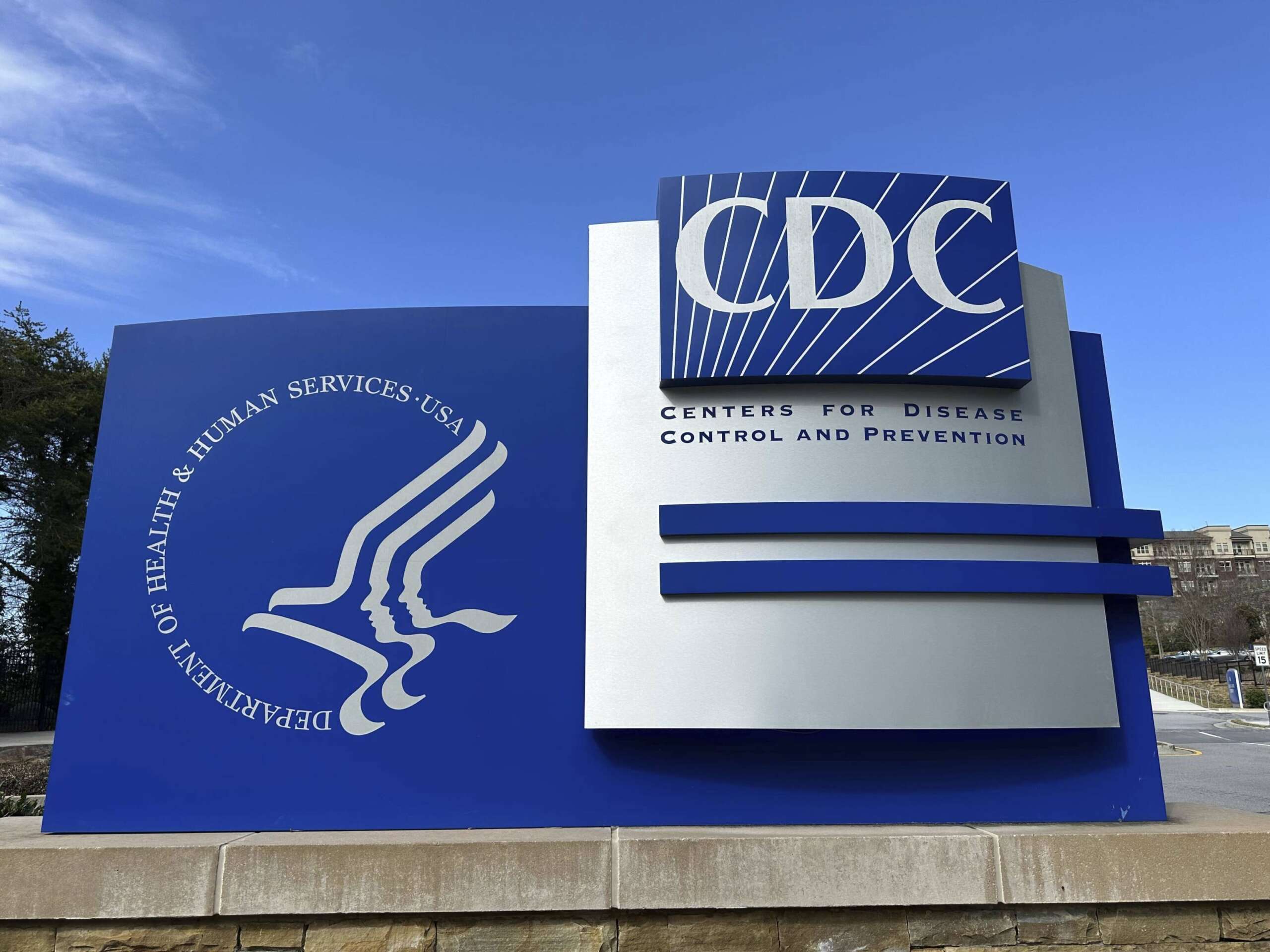
**Senate Committee Advances Dr. Erica Schwartz’s Nomination for CDC Director Amid Political and Scientific Scrutiny**
The Senate Health, Education, Labor and Pensions (HELP) Committee has advanced the nomination of Dr. Erica Schwartz to lead the Centers for Disease Control and Prevention (CDC). The move follows contentious questioning about her ability to maintain scientific integrity amid political pressures, particularly from the Trump administration’s health leadership.
Schwartz, 54, brings a unique background to the role, holding both medical and law degrees. She previously served as deputy surgeon general and held leadership positions with the U.S. Coast Guard. If confirmed by the full Senate, she would become the 22nd director of the CDC, an agency currently navigating significant workforce and trust challenges.
### **A History of Institutional Turmoil**
The CDC has undergone severe disruption over the past year, including the departure of more than 3,000 employees—over a quarter of its workforce. Morale is at an all-time low due to frequent leadership changes and the appointment of political officials without public health expertise. This instability has raised concerns about the agency’s ability to respond effectively to health threats.
Schwartz was nominated in April. While public health experts initially responded with cautious optimism, they noted she was the president’s pick, separate from Health Secretary Robert F. Kennedy Jr., a prominent figure in the anti-vaccine movement.
### **Senate Hearing Exposed Deep Divisions**
During her Senate confirmation hearing, senators pressed Schwartz on whether she would resist political interference, particularly from Kennedy. Committee Chairman Bill Cassidy, R-La., made his support conditional on her willingness to “stand against those who do not” prioritize science.
However, Schwartz faced criticism for what some senators viewed as vague or incomplete answers. Public health advocacy groups, including the National Public Health Coalition, argued that she failed to provide “clear commitments” regarding scientific independence and vaccine safety policies.
Specific concerns arose when Schwartz admitted she was unaware of discontinued CDC anti-smoking and vaccination programs and declined to commit to removing a CDC webpage that links vaccines to autism, despite medical evidence showing no such connection.
### **Partisan Tensions and Key Votes**
The committee’s vote was largely along party lines, with Sen. Bernie Sanders, I-Vt., opposing the nomination. Sanders questioned whether the administration would tolerate officials willing to challenge unscientific directives. Cassidy countered that Schwartz would provide necessary resistance to political overreach.
The CDC nomination is part of a broader pattern of leadership challenges across federal health agencies. Another controversial nominee, Sean Kaufman, for assistant health secretary overseeing emergency preparedness, was also approved by the committee despite criticism over past comments opposing mRNA vaccines and childhood immunization mandates.
—
### **FAQ**
**Q: Why is Dr. Erica Schwartz’s nomination considered controversial?**
A: Her nomination has sparked debate over whether she can maintain scientific independence amid political pressure, particularly from Health Secretary Robert F. Kennedy Jr., who has promoted anti-vaccine positions. Senators and public health groups have questioned her willingness to publicly oppose policies not grounded in science.
**Q: What are the main concerns regarding CDC leadership?**
A: The CDC has faced severe workforce shortages and instability, losing over 3,000 employees. Frequent changes in leadership and political appointments have eroded institutional trust and raised doubts about the agency’s capacity to handle public health emergencies.
**Q: What did Dr. Schwartz say about vaccine safety during her hearing?**
A: Schwartz pledged to “never betray the science” but declined to explicitly oppose ongoing actions by Kennedy, including changes to vaccine guidelines. She also avoided committing to removing an online resource suggesting a vaccine-autism link, despite evidence to the contrary.
**Q: How did Senator Bill Cassidy influence the nomination outcome?**
A: Cassidy’s support was crucial. After initially expressing doubts, he stated he spoke with Schwartz and believed she would resist political pressure. His endorsement helped secure the committee’s approval.
**Q: What other health nominations advanced alongside Schwartz?**
A: The committee also approved Sean Kaufman’s nomination as assistant health secretary for preparedness and response, a move opposed by Sanders due to Kaufman’s history of questioning vaccine safety.
—
### **Conclusion**
The advancement of Dr. Erica Schwartz signals a pivotal moment for the CDC as it seeks to rebuild trust and functionality under intense political and institutional strain. While her technical qualifications are widely acknowledged, the core challenge ahead lies in demonstrating unwavering commitment to scientific integrity amid ongoing pressures. The full Senate’s decision will not only determine the future of the CDC’s leadership but also signal the trajectory of public health policy in coming years.
