



**The Hidden Dangers of Generic TV Boxes: From Ad Fraud to Residential Proxy Threats**
Security experts have long warned about the risks of using generic TV boxes that promise unlimited content streaming for a one-time fee, cautioning that they secretly rent the user’s Internet connection out to strangers. However, a groundbreaking new analysis reveals that these devices also routinely spoof themselves as mobile phones to click ads on AI-generated websites as part of a sprawling operation designed to defraud online merchants and advertising networks.
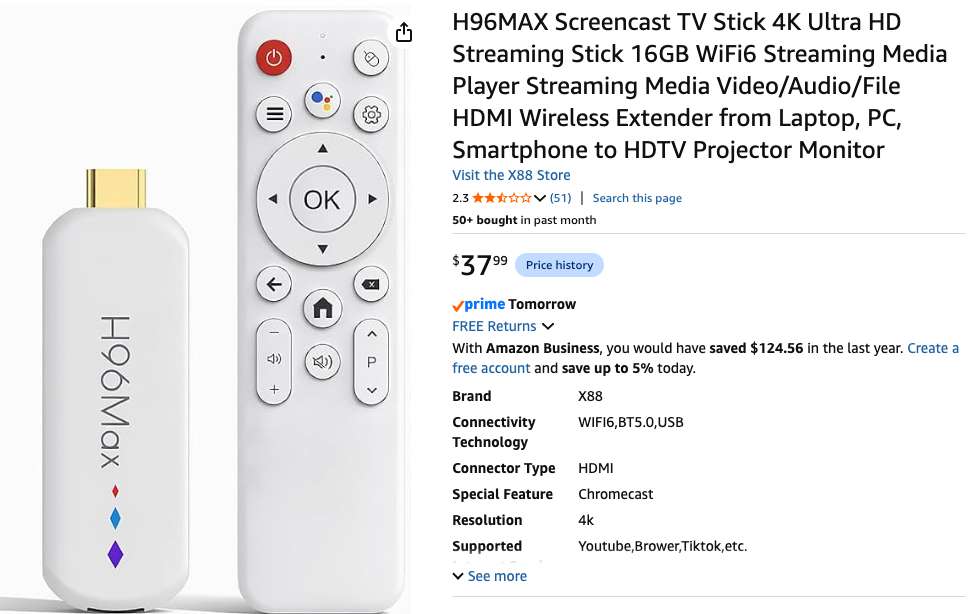
The investigation, conducted by threat researcher **Pedro Falé** of **Bitsight**, uncovered a sophisticated ad fraud network orchestrated through a popular brand of streaming devices known as **H96**. By registering an expired domain previously used for telemetry, Falé was able to peer into a complex operation where thousands of devices reported not as Android TV boxes, but as mobile phones from major manufacturers like Samsung, Vivo, Huawei, and Xiaomi.
**Key Findings:**
* **Spoofed Devices:** The H96 streaming devices were found to mask their true identity, reporting to a control server as various mobile phone models.
* **Coordinated Fraud:** The devices ran two specific apps, both made by **Zhejiang Fengwo IoT Technology Ltd**, a Chinese company operating under the **Fengwo Group**.
* **AI-Powered Deception:** The fraud operation utilized AI-generated websites—hosting machine-created news and graphics—that would only display ads when visited by a device spoofing a mobile phone profile.
* **Dual-Purpose Hardware:** The devices were observed to switch functions based on activity. When an HDMI signal was detected (user watching TV), the device would act as a residential proxy. When idle, it would switch to ad fraud mode.
* **Easy Automation for Criminals:** The Fengwo Group utilized a visual programming language called **Blockly**, allowing low-skilled operators to easily create and deploy fraud routines without deep technical knowledge.
* **Scale and Profitability:** Bitsight tracked approximately 38,000 devices globally communicating with the operator’s domain. The ad fraud network alone was estimated to generate close to **$50,000 per day** in revenue, a figure considered conservative.
* **Additional Risk:** Beyond ad fraud, these generic devices almost always come with residential proxy software pre-installed, renting out the user’s IP address to anonymous customers, including potential cybercriminals. Their inherent insecurity has led to millions of devices being enslaved by botnets.
This analysis highlights that the dangers of bargain streaming boxes extend far beyond simple privacy invasion, evolving into active participants in large-scale financial fraud operations.
### FAQ
**Q: What are “generic TV boxes” and why are they risky?**
A: Generic TV boxes are low-cost streaming devices that often run unofficial versions of Android and promise free access to streaming content. They are risky because they are typically insecure, come with pre-installed malicious software like residential proxy tools, and can be hijacked to perform illegal activities such as ad fraud or distributed denial-of-service attacks.
**Q: What is ad fraud, and how do these devices facilitate it?**
A: Ad fraud is the practice of artificially inflating advertising metrics through fake clicks or impressions. These devices spoof their identity as mobile phones and visit specific AI-generated websites that only display ads to this “fake” mobile traffic. This allows criminals to steal advertising revenue from legitimate networks and merchants.
**Q: What is a residential proxy, and why is it a concern?**
A: A residential proxy is software that routes a user’s internet connection through the device owner’s IP address, effectively selling their bandwidth and online identity to anonymous customers. This can be used for legitimate purposes like web scraping, but is often exploited by cybercriminals for fraud, bypassing geo-restrictions, or launching attacks while hiding their location.
**Q: How can I protect myself from these threats?**
A: Security experts recommend avoiding off-brand, no-name streaming devices altogether. Consumers should stick to reputable brands like Roku, Amazon Fire TV, Apple TV, or official Chromecast. If you already own one of these generic boxes, it is safest to factory reset it and avoid installing any third-party apps that are not vetted by a major app store.
**Q: What is the role of AI in this fraud scheme?**
A: AI is used to generate the website content—such as fake news articles and graphics—that the spoofed devices interact with. This makes the fraudulent traffic appear more legitimate and helps the ad fraud system target specific ad categories, making the scam more effective and harder to detect.
### Conclusion
The investigation into the H96 streaming device serves as a stark warning about the dark side of the cut-rate streaming market. What is marketed as a simple and affordable way to access entertainment is, in reality, a sophisticated piece of hardware hijacked for criminal profit. From stealing advertising revenue to renting out bandwidth for malicious activities, these devices pose a significant risk to both individual privacy and the broader digital economy. The most effective defense remains consumer awareness: avoiding these devices entirely and choosing trusted, name-brand technology.
