



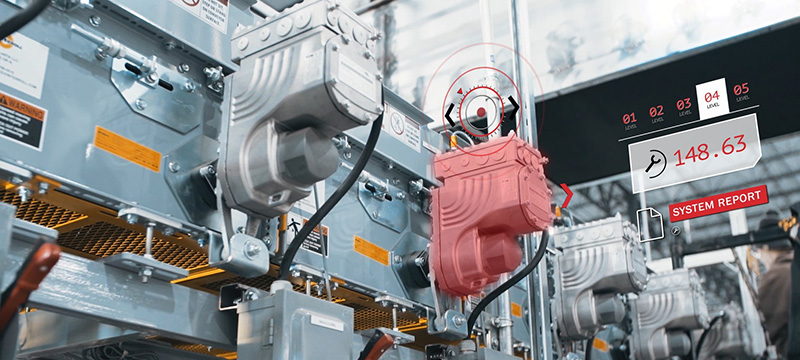
Predictive Upkeep has change into a central matter in industrial IoT methods, pushed by the necessity to optimize asset efficiency whereas lowering unplanned downtime. As linked units generate growing volumes of operational knowledge, organizations are shifting from reactive and preventive upkeep fashions towards data-driven approaches that anticipate failures earlier than they happen.
Inside the IoT ecosystem, Predictive Upkeep will not be a standalone functionality however the results of integrating sensors, connectivity, knowledge platforms, and analytics right into a cohesive structure. Understanding how these elements work together is crucial for decision-makers in search of to show uncooked machine knowledge into actionable insights.
Key Takeaways
- Predictive Upkeep makes use of real-time and historic IoT knowledge to anticipate gear failures earlier than they happen.
- It depends on a mixture of sensors, connectivity, cloud or edge computing, and superior analytics fashions.
- Industrial IoT environments are the first adopters, however functions lengthen to logistics, vitality, and good infrastructure.
- Advantages embrace decreased downtime, optimized upkeep schedules, and prolonged asset lifespan.
- Implementation challenges embrace knowledge high quality, integration complexity, and scalability throughout distributed property.
What’s Predictive Upkeep with IoT?
Predictive Upkeep is a data-driven upkeep technique that makes use of IoT-connected sensors and analytical fashions to foretell when gear is prone to fail, enabling interventions earlier than breakdowns happen.
In contrast to conventional upkeep approaches—both reactive (repair after failure) or preventive (scheduled servicing)—Predictive Upkeep leverages steady monitoring and analytics to align upkeep actions with precise asset situations. In IoT environments, this includes gathering telemetry knowledge comparable to vibration, temperature, strain, and vitality consumption from linked units.
Inside the broader IoT ecosystem, Predictive Upkeep sits on the intersection of operational expertise (OT) and knowledge expertise (IT), bridging bodily asset monitoring with digital analytics platforms.
How Predictive Upkeep works
The structure of Predictive Upkeep methods sometimes follows a multi-layered mannequin, combining {hardware}, connectivity, and software program elements to rework sensor knowledge into actionable insights.
1. Information acquisition (sensing layer)
Industrial property are geared up with sensors that seize real-time operational parameters. Frequent sensor varieties embrace accelerometers for vibration evaluation, thermistors for temperature monitoring, and present sensors for electrical efficiency.
2. Connectivity layer
Sensor knowledge is transmitted by means of wired or wi-fi communication applied sciences. Protocols comparable to MQTT, CoAP, and HTTP are generally used for light-weight knowledge switch, whereas connectivity choices vary from Ethernet and Wi-Fi to mobile (LTE-M, NB-IoT) and LPWAN applied sciences.
3. Edge computing (elective layer)
In latency-sensitive environments, edge gateways course of knowledge regionally to filter noise, carry out preliminary analytics, or set off rapid alerts. This reduces bandwidth utilization and permits sooner response occasions.
4. Information ingestion and storage
Information is aggregated in centralized platforms—usually cloud-based—the place it’s saved in time-series databases or knowledge lakes. These platforms deal with giant volumes of structured and unstructured knowledge.
5. Analytics and modeling
Machine studying fashions and statistical algorithms analyze historic and real-time knowledge to establish patterns related to gear degradation. Methods embrace anomaly detection, regression fashions, and predictive algorithms skilled on failure knowledge.
6. Visualization and motion
Insights are delivered by means of dashboards, alerts, or integration with enterprise methods comparable to CMMS (Computerized Upkeep Administration Techniques) or ERP platforms. Upkeep groups can then schedule interventions based mostly on predicted failures.
Key applied sciences and requirements
Predictive Upkeep depends on a various set of applied sciences spanning {hardware}, connectivity, and software program layers.
- Sensors and instrumentation: vibration sensors, temperature probes, acoustic sensors, strain sensors
- Connectivity applied sciences: Ethernet, Wi-Fi, Bluetooth Low Power, LTE-M, NB-IoT, LoRaWAN
- Communication protocols: MQTT, CoAP, OPC UA, Modbus
- Edge computing platforms: industrial gateways, embedded processors, real-time analytics engines
- Cloud and knowledge platforms: time-series databases, knowledge lakes, stream processing frameworks
- Analytics instruments: machine studying frameworks, AI fashions, digital twin applied sciences
- Integration methods: CMMS, ERP, asset administration platforms
Requirements comparable to OPC UA play a essential function in guaranteeing interoperability between industrial methods, whereas rising frameworks round digital twins present extra superior modeling of asset habits.
Major IoT use circumstances
Predictive Upkeep is extensively adopted throughout industries the place gear reliability is essential.
Industrial IoT (manufacturing)
Factories use Predictive Upkeep to observe manufacturing gear comparable to motors, conveyors, and CNC machines. Early detection of anomalies helps keep away from pricey manufacturing stoppages.
Power and utilities
Energy vegetation and grid operators monitor generators, transformers, and distribution property to stop failures that would disrupt service. Wind generators, specifically, profit from distant situation monitoring.
Transportation and logistics
Fleet operators use Predictive Upkeep to trace automobile well being, together with engine efficiency and brake methods. Rail operators monitor tracks and rolling inventory to enhance security and reliability.
Sensible buildings and infrastructure
HVAC methods, elevators, and different constructing property are monitored to make sure operational effectivity and cut back upkeep prices in business and residential environments.
Healthcare gear
Hospitals use Predictive Upkeep for essential units comparable to imaging methods and life-support gear, the place failures can have direct penalties on affected person care.
Asset monitoring and distant operations
Industries comparable to mining, oil and fuel, and agriculture use IoT-enabled Predictive Upkeep to observe gear working in distant or harsh environments.
Advantages and limitations
Predictive Upkeep provides measurable benefits, however its implementation additionally includes trade-offs.
Advantages
- Discount in unplanned downtime and related prices
- Improved asset utilization and operational effectivity
- Prolonged gear lifespan by means of condition-based servicing
- Enhanced security by stopping catastrophic failures
- Higher useful resource allocation and upkeep planning
Limitations and challenges
- Excessive preliminary funding in sensors, infrastructure, and integration
- Information high quality and reliability points affecting mannequin accuracy
- Complexity of integrating legacy methods with fashionable IoT platforms
- Scalability challenges in giant, distributed environments
- Cybersecurity dangers related to linked industrial property
Organizations should steadiness these components when evaluating the return on funding of Predictive Upkeep initiatives.
Market panorama and ecosystem
The Predictive Upkeep ecosystem includes a number of stakeholders throughout the IoT worth chain.
- Gadget producers: present sensors, industrial gear, and embedded methods
- Connectivity suppliers: supply community infrastructure together with mobile, LPWAN, and personal networks
- Platform distributors: ship cloud and edge platforms for knowledge ingestion, storage, and analytics
- System integrators: design and implement end-to-end options tailor-made to particular industries
- Software program suppliers: develop analytics instruments, AI fashions, and asset administration functions
The market is characterised by a mixture of giant industrial gamers, cloud suppliers, and specialised startups specializing in analytics or edge computing. Interoperability and integration stay key challenges, significantly in brownfield industrial environments.
Future outlook
The evolution of Predictive Upkeep is intently tied to advances in AI, edge computing, and connectivity.
Edge AI is anticipated to play a rising function, enabling real-time decision-making straight on the system degree. This reduces latency and helps use circumstances the place rapid motion is required. The growing adoption of 5G and personal networks will additional improve knowledge transmission capabilities, significantly in industrial settings.
Digital twins are additionally gaining traction, permitting organizations to simulate asset habits and refine predictive fashions. These digital representations present deeper insights into system efficiency and failure mechanisms.
On the identical time, standardization efforts and improved interoperability frameworks are prone to cut back integration complexity, making Predictive Upkeep extra accessible throughout industries.
Incessantly Requested Questions
What’s the distinction between predictive and preventive upkeep?
Preventive upkeep follows a hard and fast schedule, whereas Predictive Upkeep makes use of knowledge and analytics to find out when upkeep is definitely wanted based mostly on asset situation.
Which industries profit most from Predictive Upkeep?
Industries with essential property and excessive downtime prices—comparable to manufacturing, vitality, transportation, and healthcare—profit essentially the most.
What varieties of knowledge are utilized in Predictive Upkeep?
Frequent knowledge varieties embrace vibration, temperature, strain, vitality consumption, and operational logs collected from IoT sensors.
Is Predictive Upkeep all the time cost-effective?
It relies on the use case. Excessive-value property and significant operations sometimes justify the funding, whereas easier methods might not.
What function does AI play in Predictive Upkeep?
AI permits the evaluation of huge datasets to detect patterns, predict failures, and repeatedly enhance mannequin accuracy.
