



**The Giant Leap in Computing: Navigating the Global Surge in AI Data Infrastructure and What Comes Next**
The recent explosion of artificial intelligence has fundamentally transformed the technological landscape, releasing an unprecedented hunger for data processing power. Once a niche concept, generative AI tools like advanced chatbots and search aggregators have gone mainstream, driving a surge in the construction of massive server farms capable of training complex models and handling billions of queries daily. Analysts suggest that the energy required to power these vast digital infrastructures could double in the coming years, fueled by everything from the cloud computing era to the rise of autonomous vehicles and the billions of interconnected smart devices making up the modern Internet of Things (IoT). As these data-hungry systems become the backbone of our economy, understanding the obstacles to their growth and the ways to fulfill this demand has never been more critical.
**The Barriers to Scaling Digital Infrastructure**
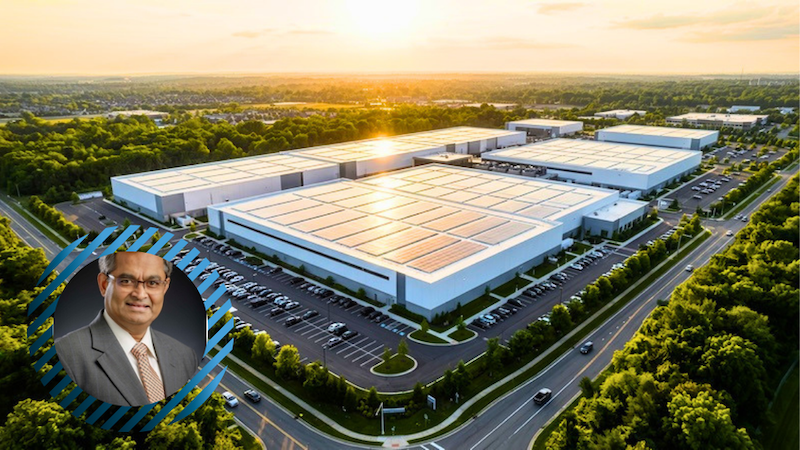
Building the physical hubs for this data revolution is far more complicated than just laying down concrete and installing servers. The primary hurdle is resource consumption. A single, sprawling facility requires enough electricity to sustain tens of thousands of residential homes and consumes millions of gallons of water daily to keep its processing units from overheating, placing immense strain on local ecosystems and power grids. Beyond the physical burden, the financial and logistical challenges are steep. Sourcing cost-effective energy, securing permits, and navigating global supply chains can push project timelines past the two-year mark, often costing hundreds of millions of dollars before a single server goes online. Compounding these issues, many local communities and regulatory bodies are pushing back against the construction of these facilities due to noise pollution, the massive land footprint they require, and the strain they place on existing utility infrastructure. These hurdles have created a bottleneck that threatens to slow down the very technological progress they are meant to support.
**Building Faster and Smarter Through Innovation**
To overcome these delays, the industry is turning to modern engineering and architectural strategies. Prefabricated, modular components are being adopted to slash construction timelines by roughly a quarter, allowing companies to assemble units off-site and deploy them in a fraction of the time it takes to build from scratch. Similarly, adapting existing abandoned or underutilized buildings into server hubs offers a way to bypass lengthy permitting processes and reduce the demand for pristine land. On the energy front, a shift toward self-sufficiency is gaining traction; some corporations are now acquiring local power producers or constructing dedicated generation facilities next door to their data centers to lock in costs and ensure reliability. Smart energy management systems are also emerging, storing electricity from the grid during low-demand hours and deploying it during peak times to balance load stress while keeping operational costs low. Looking even further ahead, visionaries are proposing orbital data centers that leverage arrays for constant solar power and reduce reliance on terrestrial resources, though this technology remains in its infancy and requires significant testing before viability.
**A Collaborative Roadmap for the Future**
As demand for computational capabilities grows exponentially, reactive strategies are no longer sufficient. The global community must transition toward proactive planning to maintain competitive advantages and support the next generation of AI-driven applications. This requires a unified effort, bringing together researchers, industry leaders, and policymakers to forecast demand over the next five to ten years rather than waiting for a crisis to dictate action. By collaborating on an international scale, stakeholders can accelerate hardware development, streamline software efficiency, and ensure a reliable supply of technical talent. Addressing the infrastructure gap now will enable societies to fully benefit from the innovations of tomorrow without being held back by the physical limitations of today.
**Frequently Asked Questions (FAQ)**
* **Why do modern AI applications require so much electricity?**
Training large-scale artificial intelligence models involves processing billions of data points through complex neural networks. This computation demands vast amounts of energy to power the processors and maintain the necessary cooling systems that prevent the hardware from overheating during continuous, heavy workloads.
* **What are the environmental concerns of these facilities?**
Besides consuming massive amounts of water for cooling and electricity for operation, the construction and maintenance of these data centers produce significant noise pollution and require land parcels that are often unsuitable for other uses, which can disrupt local communities and create friction over zoning and development rights.
* **How does a modular approach speed up construction?**
By pre-building components off-site, companies eliminate weather delays and streamline the assembly process. This approach allows for parallel workflows rather than sequential construction, cutting down the traditional build time by approximately 25 percent or more and enabling faster deployment of server capacity.
* **Why is international collaboration important for infrastructure planning?**
The global nature of the AI boom means that focusing only on domestic resources limits growth. Collaborative planning helps share the financial burden, standardize safety protocols, and aligns global regulatory frameworks, enabling smoother expansion and faster implementation of future-ready facilities across borders.
Thank you for reading
