



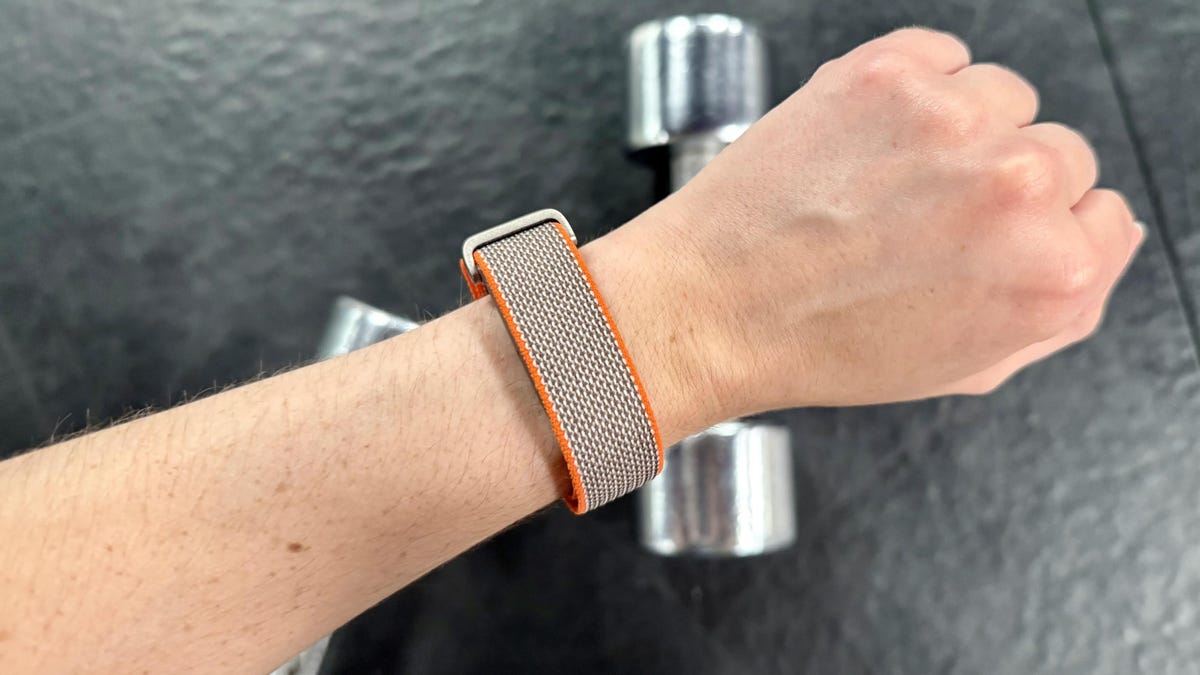
**Assessing the Accuracy of the Fitbit Air: A Closer Look at Heart Rate and Calorie Tracking**
In the world of wearable fitness technology, accuracy is paramount. Consumers rely on these devices to provide reliable data on their heart rate and calorie expenditure, but how reliable are they really? To answer this question, I conducted a comparative analysis using the **Fitbit Air**, testing it against the **Polar H10 chest strap**—a device often considered the gold standard for heart rate monitoring. Here’s what I discovered.
### **Key Findings**
– **Heart Rate Monitoring**: The Fitbit Air showed promising accuracy during steady-state activities like walking or running, with readings typically within 1-2 beats per minute (bpm) of the Polar H10. However, during high-intensity intervals or rapid changes in heart rate, the Fitbit Air tended to lag behind.
– **Calorie Tracking**: The Fitbit Air underestimated calorie burn by nearly **12%** during treadmill sessions and up to **30.9%** during strength training. This discrepancy highlights the challenges these devices face in accurately calculating calories burned, which depend on multiple factors beyond heart rate.
– **Strength Training Insights**: During strength training, the Fitbit Air struggled to capture sudden spikes in heart rate, particularly during short bursts of intense activity. This resulted in a **17 bpm deviation** in maximum heart rate compared to the Polar H10.
—
### **Detailed Analysis**
#### **Treadmill Test**
During a treadmill session that included walking and running, the Fitbit Air closely followed the Polar H10’s heart rate measurements. However, as the pace increased, the Fitbit Air’s readings lagged slightly, demonstrating a delay in reporting heart rate changes from the wrist to the chest.
**Calorie Burn Comparison**:
– **Polar H10**: 143 kcal
– **Fitbit Air**: 126 kcal
– **Difference**: -11.90%
#### **Strength Training Test**
In a full-body workout involving weights and resistance exercises, the Fitbit Air continued to perform well in tracking average and minimum heart rates but faltered in capturing peak heart rate moments.
**Calorie Burn Comparison**:
– **Polar H10**: 152 kcal
– **Fitbit Air**: 105 kcal
– **Difference**: -30.90%
—
### **Conclusion**
While the Fitbit Air proves to be a reliable companion for monitoring general fitness and heart rate trends, it does have limitations. Users should be cautious when relying on it for precise calorie tracking, especially during high-intensity or strength-based workouts. For those who prioritize accuracy in heart rate monitoring, particularly during dynamic activities, a dedicated chest strap like the Polar H10 remains a superior choice.
That said, the Fitbit Air offers significant value as a user-friendly wearable, providing dependable data for everyday fitness needs. Understanding its strengths and limitations can help users make the most of their investment.
—
**Original Article Source**: [ZDNET – Google’s Fitbit Air is a $99 screenless wearable that I can actually take seriously](https://www.zdnet.com)
