



# Understanding Biological Age: How Old Are You Really?
## Introduction
We all know our chronological age — the number of years we’ve been alive. But scientists have discovered that our bodies don’t always age at the same rate. Some 60-year-olds have the biology of a 50-year-old, while others show signs of aging far earlier than expected. This difference is captured by the concept of **biological age**, and it is quickly becoming one of the most exciting areas in modern medicine.
Biological age looks at how well your body’s systems are functioning at the molecular and cellular level. It can give a much clearer picture of your health than a simple birthday candle count ever could. In recent years, researchers have developed several clever ways to measure biological age, from analyzing chemical tags on your DNA to examining photographs of the back of your eye. Let’s explore how this works and why it matters.
—
## What Is Biological Age?
Your chronological age is simply the number of years since you were born. Biological age, on the other hand, reflects the actual wear and tear on your body. It takes into account things like how your cells are functioning, how well your organs are performing, and the molecular changes that accumulate over time.
Think of it this way: two cars might be the same age, but one has been driven hard on rough roads while the other has been parked in a garage. They look the same on paper, but their condition is very different. Biological age works the same way for the human body.
Researchers have found that people whose biological age is higher than their chronological age face a greater risk of developing chronic diseases — such as heart disease, diabetes, and certain cancers — and are more likely to die earlier. Conversely, people whose biological age is lower than their chronological age tend to enjoy longer, healthier lives.
—
## How Do Scientists Measure Biological Age?
Over the past two decades, scientists have developed several methods for estimating biological age. These range from simple blood tests to sophisticated computer models.
### DNA Methylation Clocks
One of the most well-known methods involves studying a process called **DNA methylation**. Methylation is a chemical modification that happens naturally to our DNA as we age. Certain patterns of methylation change in predictable ways over time, almost like a biological clock ticking in the background of every cell in your body.
Researchers discovered that by reading these methylation patterns, they could estimate a person’s age with remarkable accuracy. These “epigenetic clocks” have become powerful tools for studying aging. Some versions, like the GrimAge clock, are especially good at predicting how long a person might live and whether they are likely to develop age-related diseases.
Studies using these clocks have shown that lifestyle factors — such as smoking, diet, exercise, and stress — can speed up or slow down the ticking of this biological clock. This means your daily habits genuinely influence how fast your body is aging at the molecular level.
### Organ-Specific Aging
More recently, scientists have begun to realize that aging doesn’t happen uniformly across the body. One organ might age faster than another, depending on your genetics, lifestyle, and environment. Researchers have developed methods to estimate the biological age of individual organs — such as the heart, liver, kidneys, and brain — using blood biomarkers and multi-omics data (which combines information from genes, proteins, and metabolites).
This is a big deal because people are at risk of different diseases depending on which organ is aging fastest. For example, someone whose heart ages more quickly than their other organs might be more prone to cardiovascular problems, even if they are otherwise healthy.
### Retinal Imaging
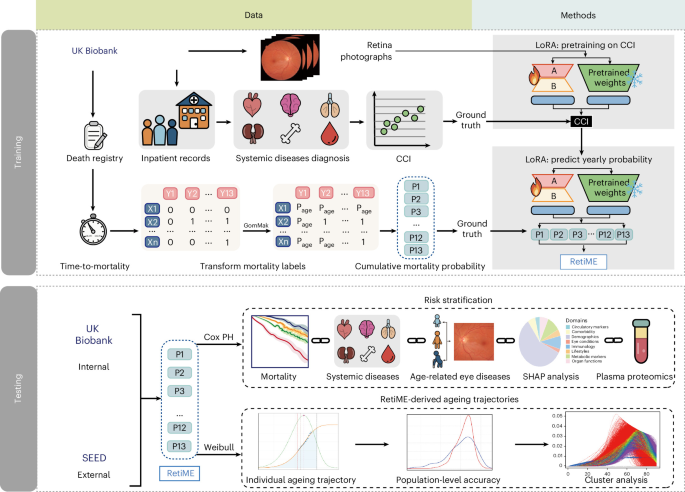
Here’s a surprising one: the eye might hold a window into your overall biological age. Researchers have found that photographs of the retina — the light-sensitive tissue at the back of the eye — can reveal clues about how quickly your body is aging. Using deep learning (a type of artificial intelligence), computers can now analyze retinal images and estimate a person’s biological age with impressive precision.
The connection between the retina and overall health makes sense when you think about it. The tiny blood vessels in the retina reflect the condition of blood vessels throughout the entire body. Changes in these vessels have been linked to conditions like diabetes, high blood pressure, and even Alzheimer’s disease.
Studies have shown that a gap between your retinal-predicted age and your actual chronological age can predict your risk of dying from various causes. A larger gap suggests faster aging and higher health risks.
### Blood-Based Biomarkers
Simple blood tests can also provide clues about biological age. Researchers have used panels of blood markers — including measures of inflammation, organ function, and metabolism — to build models that estimate how quickly a person is aging. These blood-based approaches are attractive because they are relatively affordable and accessible, making them practical for routine clinical use.
—
## Why Does Biological Age Matter?
The most powerful thing about biological age is that it is **modifiable**. Unlike your birth date, you can influence your biological age through the choices you make every day.
### Lifestyle Interventions
Research has consistently shown that healthy lifestyle choices can slow biological aging:
– **Regular exercise** is one of the strongest anti-aging interventions known. Both aerobic exercise and strength training have been shown to reduce biological age.
– **A balanced diet** rich in fruits, vegetables, whole grains, and lean proteins supports cellular health and reduces inflammation.
– **Quality sleep** allows the body to repair and rejuvenate at the molecular level.
– **Stress management** through mindfulness, social connection, or relaxation techniques can lower the rate of biological aging.
– **Avoiding smoking and excessive alcohol** prevents unnecessary damage to DNA and tissues.
### Early Detection and Prevention
Biological age measurements can help identify people who appear healthy but are aging faster on the inside. This opens the door for **early intervention** — catching problems before symptoms appear. Instead of waiting for a disease to develop, doctors could use biological age to recommend preventive strategies tailored to each individual.
For instance, if someone’s liver-specific biological age is significantly higher than expected, a doctor might recommend targeted liver health monitoring, dietary changes, or further testing.
### Personalized Medicine
As biological age tools become more refined, they pave the way for truly personalized healthcare. Rather than relying on one-size-fits-all guidelines based solely on chronological age, doctors could use biological age to make more precise decisions about screenings, treatments, and preventive care.
—
## The Challenges Ahead
While biological age is a promising field, there are still hurdles to overcome. Different measurement tools sometimes give different results, and researchers are still working to standardize them. There are also questions about how to make these tests affordable and widely available so that everyone — not just those in research studies — can benefit from them.
Additionally, biological age is just one piece of the puzzle. A person’s overall health is shaped by a complex mix of genetics, environment, social factors, and chance. Biological age tools are powerful, but they work best when combined with other clinical information and a doctor’s expert judgment.
—
## Frequently Asked Questions
**Q: Can my biological age be younger than my chronological age?**
A: Yes, absolutely. Some people age more slowly than others due to genetics, healthy lifestyles, and other factors. Having a biological age lower than your chronological age is generally a positive sign.
**Q: Are biological age tests available to the public right now?**
A: Some blood-based and DNA methylation tests are available through commercial labs and research studies. However, many of the most advanced tools are still being refined and validated before they become widely accessible.
**Q: Does biological age change over time?**
A: Yes, it can. Biological age is not fixed. It can increase or decrease depending on your lifestyle, health status, and environmental exposures. This means it’s never too late to take steps to slow aging.
**Q: Is biological age the same as “longevity” or “life expectancy”?**
A: Biological age is related but not the same. Life expectancy is a population-level estimate based on average survival rates. Biological age reflects your individual body’s condition. Someone with a lower biological age may have a higher life expectancy, but many other factors also play a role.
**Q: Can diseases affect biological age?**
A: Yes. Chronic diseases, infections, and even mental health conditions can accelerate biological aging. Conversely, treating or managing these conditions effectively may help slow it down.
**Q: Do eye scans really tell you anything about your overall health?**
A: The retina is connected to the body’s circulatory system, and changes in the eye can reflect what’s happening elsewhere. Research has shown that retinal imaging can provide useful information about biological aging and disease risk.
—
## Conclusion
Biological age represents a major shift in how we think about health and aging. Instead of simply counting years, we can now look inside the body to understand how quickly it is truly aging — and what we can do about it. Whether through DNA methylation clocks, organ-specific assessments, retinal imaging, or blood biomarkers, these tools offer a more nuanced and actionable view of our health.
The exciting news is that biological age is not set in stone. Every positive lifestyle choice — from exercising regularly to eating well to getting enough sleep — has the potential to slow your body’s aging process and reduce your risk of disease. As research continues to advance, biological age measurements could become a routine part of medical care, helping people live longer, healthier lives.
—
Thank you for reading