



**Artificial Intelligence in Hepatocellular Carcinoma: Current Applications and Future Prospects**
Hepatocellular carcinoma (HCC), the most common form of liver cancer, represents a significant global health burden. According to recent epidemiological studies, HCC continues to rank among the leading causes of cancer-related mortality worldwide, necessitating urgent advancements in diagnostic accuracy, treatment planning, and prognostic prediction (Reference 1). Over the past decade, artificial intelligence (AI) has emerged as a transformative tool in oncology, offering innovative solutions to address these challenges. This article explores the evolving role of AI in HCC management, examines key applications across the care continuum, and discusses future directions for research and clinical implementation.
**Current Applications of AI in Hepatocellular Carcinoma**
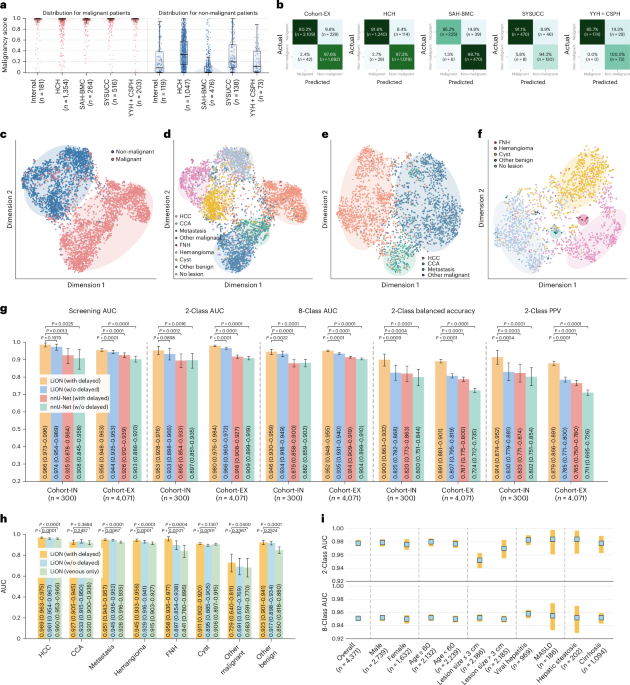
AI technologies, particularly machine learning and deep learning models, show remarkable potential in multiple domains of HCC care. One of the most significant applications is in medical imaging analysis. Several studies demonstrate that AI algorithms can enhance the detection and characterization of liver lesions with accuracy comparable to or exceeding that of human experts (References 2, 3, 22). For instance, convolutional neural networks (CNNs) have been developed to identify hepatocellular carcinoma in cross-sectional imaging with high sensitivity and specificity, even in cases with subtle or non-typical presentations (References 11, 29).
AI-driven approaches are also improving diagnostic workflows through automated lesion detection and segmentation. Advanced systems can process computed tomography (CT) and magnetic resonance imaging (MRI) scans more efficiently, reducing interpretation time while maintaining diagnostic quality (References 16, 20). Additionally, radiomics-based models that extract quantitative features from medical images have shown promise in predicting tumor biology and treatment response (References 19, 25).
Beyond diagnosis, AI is being integrated into treatment planning and decision support systems. Several studies have explored AI’s ability to predict patient outcomes and optimize therapeutic strategies, particularly for patients with early-stage disease who may be candidates for curative interventions (References 5, 21). Furthermore, AI tools are being developed to assist in procedural guidance during interventions such as radiofrequency ablation and transarterial chemoembolization (TACE), potentially improving precision and safety (References 24, 32).
**Implementation Challenges and Considerations**
Despite promising results, the clinical adoption of AI in HCC management faces several challenges. Regulatory frameworks and validation standards for AI tools remain inconsistent across jurisdictions, creating barriers to widespread implementation (Reference 28). Data quality and heterogeneity also pose significant obstacles, as many algorithms are trained on limited or non-representative datasets, which may affect generalizability and performance in diverse clinical settings (Reference 43).
Interoperability issues between AI systems and existing electronic health records (EHRs) further complicate integration into routine clinical workflows. Many healthcare institutions lack the necessary infrastructure to support real-time AI processing, particularly in resource-constrained environments. Clinician acceptance represents another critical factor; successful deployment requires careful attention to user interface design and clear demonstration of clinical utility (Reference 45).
**The Role of Multimodal Data and Advanced Architectures**
Emerging approaches increasingly leverage multimodal data integration, combining imaging features with clinical parameters, laboratory values, and genetic information to provide more comprehensive risk assessments and treatment recommendations (References 18, 44). Transformer-based architectures and attention mechanisms are being adapted for medical applications, potentially offering enhanced capabilities for modeling temporal dependencies and complex relationships within patient data (Reference 50).
Federated learning techniques are also gaining traction as solutions for collaborative model development without requiring centralized data sharing. This approach allows institutions to contribute to model training while maintaining data privacy and addressing regulatory concerns about patient confidentiality (Reference 46).
**Future Directions**
As the field matures, several priorities emerge for advancing AI in HCC care. These include:
1. **Prospective validation** of AI tools in diverse clinical settings to establish robust evidence of clinical effectiveness
2. **Standardized reporting frameworks** such as CONSORT-AI to ensure transparency and reproducibility in AI research (Reference 45)
3. **Development of international consensus guidelines** for trustworthy and deployable AI systems in healthcare (Reference 28)
4. **Integration with precision medicine initiatives** to enable personalized treatment approaches based on individual patient characteristics
Continued collaboration between clinicians, data scientists, and regulatory bodies will be essential to realize the full potential of AI in improving outcomes for patients with hepatocellular carcinoma.
—
### Frequently Asked Questions (FAQ)
**Q1: What is hepatocellular carcinoma (HCC)?**
A: HCC is the most common type of liver cancer, originating in the hepatocytes (liver cells). It often develops in patients with chronic liver diseases such as cirrhosis caused by hepatitis B or C infection, excessive alcohol consumption, or nonalcoholic fatty liver disease.
**Q2: How is AI currently used in diagnosing HCC?**
A: AI algorithms analyze medical imaging (CT, MRI, ultrasound) to detect liver lesions, characterize their nature (benign vs. malignant), and support radiologists in making more accurate diagnoses. These systems can identify subtle patterns that may be missed by human observers.
**Q3: Can AI predict outcomes for HCC patients?**
A: Yes, several AI models have been developed to predict survival rates, recurrence risk, and response to different treatments. These predictions help clinicians develop more personalized treatment plans.
**Q4: What are the main challenges in implementing AI for HCC?**
A: Key challenges include ensuring data quality and representativeness, establishing regulatory approval pathways, integrating AI tools with existing clinical workflows, addressing interoperability issues, and gaining clinician trust and adoption.
**Q5: Is AI replacing doctors in HCC diagnosis?**
A: No, AI is designed to augment rather than replace clinical expertise. It serves as a decision-support tool that can enhance diagnostic accuracy and efficiency, but final clinical decisions remain the responsibility of healthcare professionals.
**Q6: How can patients benefit from AI in HCC care?**
A: Patients may benefit from earlier and more accurate diagnosis, more personalized treatment recommendations, better prognostic information, and potentially improved outcomes through optimized treatment strategies.
—
### Conclusion
Artificial intelligence is poised to fundamentally transform hepatocellular carcinoma care by enhancing diagnostic precision, optimizing treatment planning, and improving prognostic accuracy. While significant technical and implementation challenges remain, the accumulated evidence from numerous studies demonstrates the substantial potential of AI to augment clinical decision-making and ultimately improve patient outcomes. Realizing this potential will require continued multidisciplinary collaboration, rigorous validation of AI tools, and thoughtful integration into clinical practice. As the field evolves, AI is likely to become an indispensable component of comprehensive liver cancer management, contributing to more personalized, efficient, and effective care for patients worldwide.
