



**Robin: The Therapeutic Robot Bringing Comfort and Calm to Hospitals**
In the high-stress environments of hospitals, dental clinics, and eldercare facilities, maintaining patient calm and cooperation is a daily challenge for staff. Across approximately 30 healthcare facilities in the U.S., a new ally has emerged to help with this delicate task: Robin, a socially assistive robot developed by Expper Technologies. Designed not to perform medical procedures, but to support emotional well-being, Robin is becoming a familiar, friendly presence in pediatric and adult care settings.
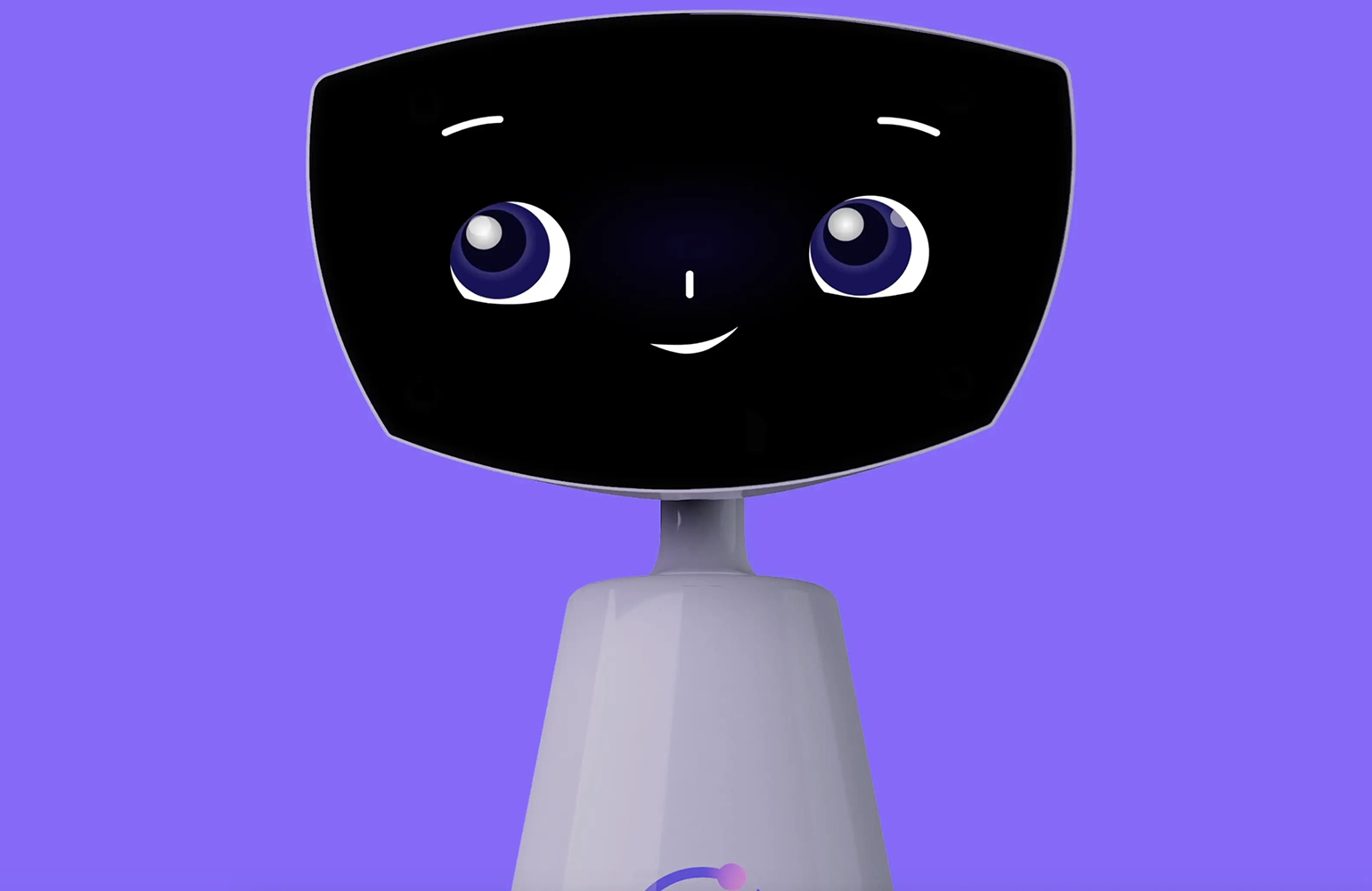
At first glance, Robin is endearing. It is child-sized, with a friendly face and a minimalist, wheeled body. Its interactions are entirely verbal, delivered through a carefully crafted personality. According to Davit Martirosyan, co-founder and head of engineering at Expper, Robin is envisioned as a curious young being with a dream of returning to the stars. This backstory is key to its design—it is not meant to be a human friend, nor a mere gadget, but a unique, relatable companion.
### **Origins in a Pandemic**
Robin’s development and deployment began against the backdrop of the COVID-19 pandemic. Expper, which launched in 2019, sold its first robot in early 2020, just as the world began to shut down. The logistics of building a physical robot were complex, with hardware and software developed in separate apartments. Yet, this period also created a unique opportunity. With many children separated from their families in hospital isolation, the potential for a non-judgmental, engaging companion like Robin became clearer than ever.
### **How Robin Works in Practice**
The robot’s role varies by setting. In dental clinics, its tasks are often focused and stationary. It acts as a peer, sharing stories of its own past dental experiences to normalize a child’s anxiety. It playfully distracts them, keeping them calm while they wait for treatment. Importantly, Robin does not guide or judge; its core function is to listen and engage.
In hospitals, Robin’s mobility allows it to move between rooms. Martirosyan shared a powerful example of a child who had refused to eat for two days. Doctors and parents were at a loss until Robin entered the room. For 15 or 20 minutes, the robot played and conversed with the child. When it was time to leave, the child pleaded for it to stay, prompting Robin to gently remind the child, “You know, I need to charge my battery, and you also need to charge yourself. You need to eat.” This moment of connection led directly to the child eating a meal.
Initially, the Expper team focused on child patients. They quickly discovered, however, that adults were equally fascinated and comforted by the robot’s presence.
### **Safety and Integration**
Safety is paramount, especially in smaller spaces like dental clinics. Here, Robin remains stationary, a practice Martirosyan notes is essential because the space simply isn’t large enough for a mobile robot. In larger, more chaotic hospital environments, a dedicated teleoperator monitors Robin’s navigation. The robot is programmed to stop immediately if it loses its connection. Furthermore, hospital staff are trained to be Robin’s local guides, helping it navigate and sharing relevant patient information—such as a favorite movie—to personalize interactions.
### **The Road Ahead**
With over ten new deployments planned, Expper is building on years of real-world experience. Martirosyan states that the technology has proven itself and is working as intended. Looking forward, the company’s goals are twofold: to make Robin more sustainable and to lead the industry in establishing best practices for human-robot communication.
“We need to define how machines should communicate with people,” Martirosyan said. “They definitely cannot be their friends; they are not human. They also can’t be just another gadget. It’s something in the middle.” The mission, he concluded, is to ensure this “change” is “very smooth… and very acceptable for everyone, because everyone’s going to benefit from these new technologies.”
***
### FAQ
**What is Robin the robot?**
Robin is a socially assistive robot designed by Expper Technologies to support the emotional well-being of patients in healthcare settings. It is a kid-sized, wheeled robot that interacts through speech, offering companionship, distraction, and comfort without performing medical tasks.
**Where is Robin deployed?**
Robin is currently deployed in approximately 30 hospitals, dental clinics, and eldercare homes. Its primary environments are pediatric and adult healthcare facilities, including dental offices and hospital wards.
**What does Robin do to help patients?**
Robin helps by acting as a peer, sharing relatable experiences (like a past dental procedure), playing with children to distract them, and keeping them calm while they wait for care. It listens and engages in conversation without judgment or pressure.
**Is Robin safe in a hospital environment?**
Yes. Robin is designed with safety in mind. In smaller clinics, it remains stationary. In hospitals, it is monitored by a teleoperator and hospital staff who can guide its movements. If its connection is lost, the robot stops moving.
**Can adults interact with Robin?**
Yes. While initially focused on children, Expper found that adults are also interested in and comforted by interacting with Robin, finding its friendly and non-judgmental nature engaging.
***
### Conclusion
Robin represents a thoughtful application of robotics in healthcare, prioritizing emotional support and companionship over technical automation. By providing a non-threatening, engaging presence, it helps to alleviate anxiety for patients of all ages. As Expper continues to scale its operations and refine its technology, Robin is poised to become a standard tool for improving the human experience in clinical settings, bridging the gap between advanced technology and the fundamental need for comfort.
