



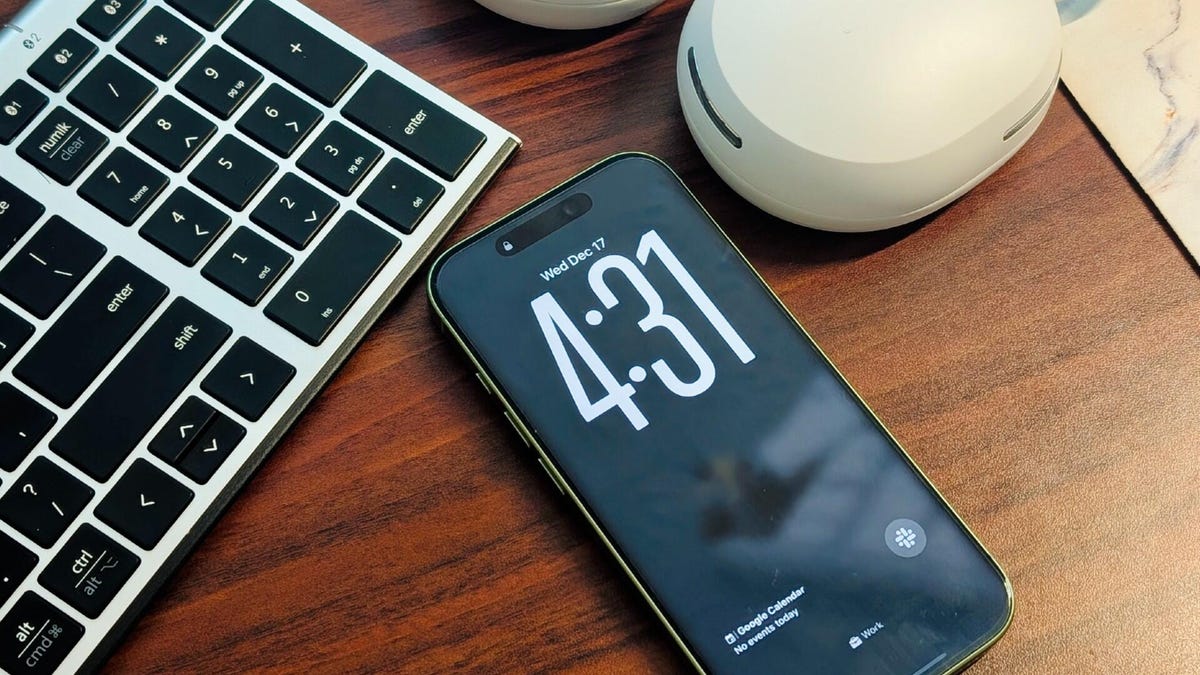
**How much phone storage do you really need?**
When buying a new phone, it’s easy to be swept up in the specs race—especially when it comes to storage. In recent years, manufacturers have started offering phones with up to 1TB of storage, which sounds impressive. But for most users, that kind of capacity is overkill.
At ZDNET, we’ve broken down what you need to know about phone storage in 2026, from how much space different tiers provide to which features consume the most data. The goal is to help you choose the right amount of storage for your habits—and save you money in the process.
—
### Phone storage breakdown
#### 64GB

*Cesar Cadenas/ZDNET*
64GB is the absolute minimum for storage in 2026. Most manufacturers haven’t made a phone with just 64GB in several years, and there are only a few very budget models even available (like the Motorola Moto G Play and the BLU View 5). At this level, you have room for only a handful of apps.
Who needs 64GB of storage on their phone? People who are only using their phone as a simple communication device to call and text and don’t install many apps or take pictures and video.
#### 128GB

*Adam Breeden/ZDNET*
Most modern phones start with 128GB of storage as a baseline. While it might seem small, it’s enough for many (maybe even most) people. It’s enough for around 100 casual apps or more, several thousand photos, and some videos. You might run into storage issues after a year or two, but you can probably manage by deleting old things.
Who needs 128GB of storage on their phone? People who download casual apps, take mostly photos, stream content instead of downloading, aren’t afraid to use cloud storage, don’t mind deleting old things, or upgrade their device often.
#### 256GB

*Kyle Kucharski/ZDNET*
This is the sweet spot for most phone releases today. 256GB lets you shoot plenty of videos and photos, download hundreds of apps (including some graphics-heavy games), update your phone on the regular, and rarely worry about storage. You can probably go a while without purging apps or files. The majority of people don’t need more than this.
Who needs 256GB of storage on their phone? People who want to use their phone without ever thinking about storage or who keep their phone for four years or more and don’t want to rely on the cloud.
#### 512GB

*Kerry Wan/ZDNET*
Now we’re getting into niche territory. At 512GB, you’ll want to have a specific reason you need this much space, like video editing, gaming, or offline media. Your phone is becoming a portable hard drive at this point, as it will hold tens of thousands of photos, a massive music library, years of work documents, or hours of video.
Who needs 512GB of storage on their phone? People who use their phone professionally, who store large offline content libraries, or who use the same phone for five years or more.
#### 1TB

*Kerry Wan/ZDNET*
You’ll only see 1TB of storage on premium phones from Google, Samsung, and Apple, and even then on the most expensive configuration. Very few people actually need this much, as it’s desktop-levels of space. This is an immense amount of storage for a phone, and will hold tens of thousands of photos, hundreds of hours of video, and hundreds of apps.
Who needs 1TB of storage on their phone? People who shoot hours of 4K video for content creation, who don’t use cloud storage, who keep a massive library of offline content, or who plan to keep the phone for many years.
—
### Other factors to consider

*Prakhar Khanna/ZNDET*
When you buy a phone, no matter how much storage the box says you have, you’ll have less space you can actually use. This is because a chunk of that space is reserved for the phone’s operating system (usually 20 to 30GB), pre-installed apps, on-device AI systems, and more. So when you’re considering how much space you might need, remove at least that much to start. But also consider the following:
#### Future updates
Operating systems are larger and larger each year. If you keep your phone for three years or more, you might find your OS taking up a significantly larger percentage of your available space than before. If you keep your phone for a long time, you might want to make sure you future-proof with more storage.
#### High quality video
Video is a storage hog, especially if you’re shooting in high quality. A single video can take the space of hundreds or thousands of photos. If you take more photos than video (or store all your videos in the cloud), you’ll probably be ok staying at a more moderate level like 256GB or even 128GB.

*Samsung*
#### Games
It’s not uncommon for a mobile game to take up 10GB of space, and a few of the more popular titles can exceed 20GB. If you plan on playing A list games, you might want to opt for a larger storage option.
#### Social media and messaging
Social apps like X and Instagram and messaging apps like WhatsApp and Telegram can sneakily take up a ton of storage in their cache over months of use – even 15GB or more. If you notice your phone’s storage is getting low, you can clear your cache on one of these apps without deleting any photos or videos.
—
### FAQ
**How much storage do most people actually use on their phone?**
Most users only need between 128GB and 256GB. Unless you’re storing large video files locally or playing heavy games, this range is sufficient for everyday use, including apps, photos, and streaming.
**Should I get 512GB or 1TB if I don’t need that much space?**
It’s generally better to choose a more modest amount like 256GB unless you have a specific professional or high-media need. Higher storage tiers often come with a significant price bump that may not be justified by actual usage.
**Can I expand my phone’s storage later?**
Most modern smartphones do not support external storage via microSD cards. Storage is typically fixed at purchase, so it’s important to choose wisely upfront.
**Does having more storage make my phone faster?**
Not directly. Storage affects how much you can save locally, but performance depends more on RAM and processor speed. However, a nearly full storage drive can slow down overall system performance over time.
**Will cloud storage affect my phone’s performance?**
Using cloud services like Google Photos or iCloud can help manage local storage, but they require internet access to retrieve files. For quick access, keeping recent files on the device is recommended.
—
### Conclusion
You don’t need as much phone storage as you might think. While manufacturers are racing to offer terabytes of space, the reality is that most users are perfectly fine with 128GB or 256GB. Choosing the right amount of storage comes down to understanding your habits—whether you’re a casual photographer, a gamer, or someone who prefers keeping everything in the cloud.
Before you splurge on a higher storage tier, consider how you actually use your device, how often you upgrade, and whether features like 512GB or 1TB truly align with your needs. For most people, mid-range storage options provide the best balance of cost and functionality in 2026.
