



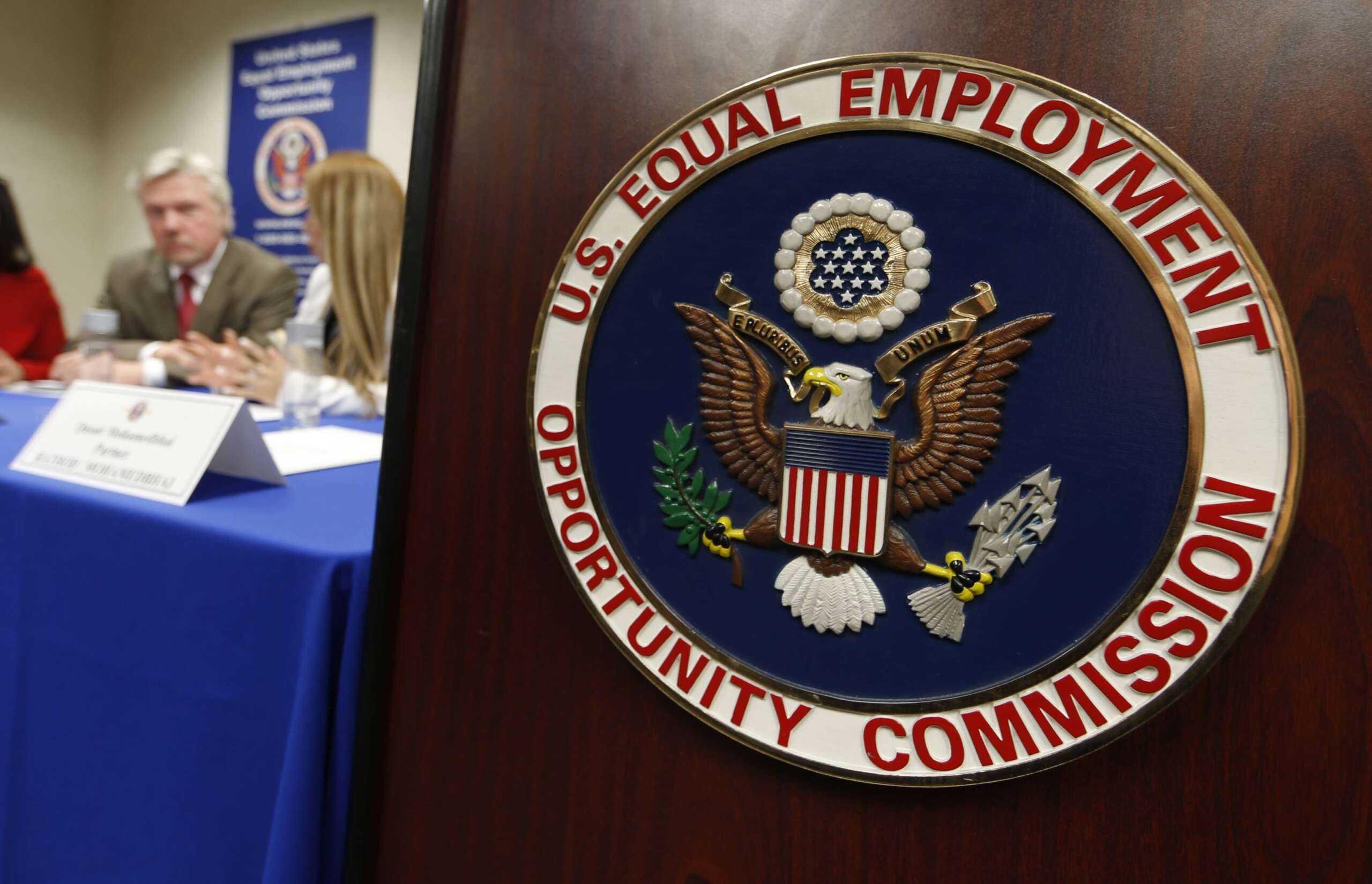
**Federal Union Sues EEOC Over Halt in Processing Federal Employee Class Action Cases**
The Equal Employment Opportunity Commission (EEOC) is facing a new legal challenge from a federal union alleging the agency has ceased processing class action cases involving federal employees. The American Federation of Government Employees (AFGE) has filed a lawsuit in the U.S. District Court for the District of Columbia, accusing the EEOC of violating the Administrative Procedure Act by imposing a blanket suspension on work related to class complaints in the federal sector.
According to the lawsuit, this suspension—initiated in late 2024—has left federal employees without a viable avenue for relief and has placed ongoing harm in cases involving discrimination, such as sexual harassment, unremedied. The lawsuit specifically references the case of *Pippen v. Federal Bureau of Prisons*, which was certified as a class action complaint in March 2025 but was paused by an EEOC administrative judge in December 2025. The pause, described as indefinite, applies to all federal sector class cases, including those involving disparate impact.
AFGE argues that the EEOC’s actions undermine its own regulatory requirements, which mandate a structured process for handling complaints of discrimination against groups of federal employees. The union emphasizes that the suspension has left federal workers in limbo, unable to access the adjudicatory mechanisms provided by the EEOC. Moreover, the delay in processing cases exacerbates the risk of ongoing discrimination and diminishes the ability to provide effective relief to plaintiffs.
An EEOC spokesperson declined to comment on the lawsuit, referring inquiries to the Department of Justice, which did not respond to a request for comment.
The lawsuit highlights broader concerns about the EEOC’s operations under the Trump administration, including a decision in June to lift long-standing requirements for agencies to report federal employee demographic data. AFGE has filed numerous lawsuits against the administration concerning federal workforce policies, including issues related to collective bargaining and probationary employee terminations.
—
### FAQ
**Q: What is the EEOC’s role in handling discrimination cases?**
The EEOC is responsible for enforcing federal laws that prohibit discrimination in the workplace. This includes investigating complaints, mediating disputes, and, when necessary, filing lawsuits to protect employees’ rights.
**Q: Why is the AFGE suing the EEOC?**
The AFGE claims that the EEOC has violated the Administrative Procedure Act by imposing a blanket suspension on processing federal employee class action cases since late 2024. The union argues that this suspension has left federal employees without recourse to address ongoing discrimination.
**Q: What is the significance of the *Pippen v. Federal Bureau of Prisons* case?**
This case involves two female corrections officers who alleged persistent sexual harassment at work. After being certified as a class action complaint in March 2025, the case was paused in December 2025, with no clear timeline for resumption.
**Q: How does the suspension affect federal employees?**
The suspension prevents administrative law judges from holding hearings, engaging in discovery, deciding motions, or issuing decisions in class action complaints. This leaves employees unable to obtain injunctive relief for ongoing harm, such as sexual harassment.
**Q: What is the EEOC’s response to the lawsuit?**
The EEOC has not commented on the lawsuit, instead referring questions to the Department of Justice, which did not respond to requests for comment.
—
### Conclusion
The lawsuit filed by the American Federation of Government Employees underscores significant concerns about the EEOC’s ability to fulfill its mandate of protecting federal employees from discrimination. The alleged blanket suspension of class action cases not only delays justice but also perpetuates harm for victims of ongoing discrimination. As the legal battle unfolds, federal workers and advocacy groups will be watching closely to see whether the EEOC resumes processing these critical cases and reaffirms its commitment to equitable workplace protections.
