



**Berlin’s New Space Hub: Planet Labs and the Future of Satellite Innovation**
In an era defined by rapid technological advancement and growing environmental concerns, access to timely, high-quality satellite data has never been more critical. From guiding daily commutes to informing global climate research, satellites play an increasingly vital role in understanding and managing our planet. Recognizing this demand, German American space company Planet Labs is making a significant investment in Europe’s space future with the construction of a state-of-the-art satellite manufacturing facility in Berlin-Charlottenburg. The project, supported by global real estate and infrastructure consultancy Drees & Sommer, marks a key development for the European space industry.
### A Cutting-Edge Manufacturing Facility
The new Berlin facility will span approximately 5,000 square meters, housing laboratory, cleanroom, and office spaces designed for the assembly, integration, and testing of next-generation satellites. At the core of the operation are highly specialized ISO Class 6 and Class 7 cleanrooms—controlled environments where particle levels, humidity, and temperature are meticulously regulated to meet the strictest standards required for satellite component manufacturing.
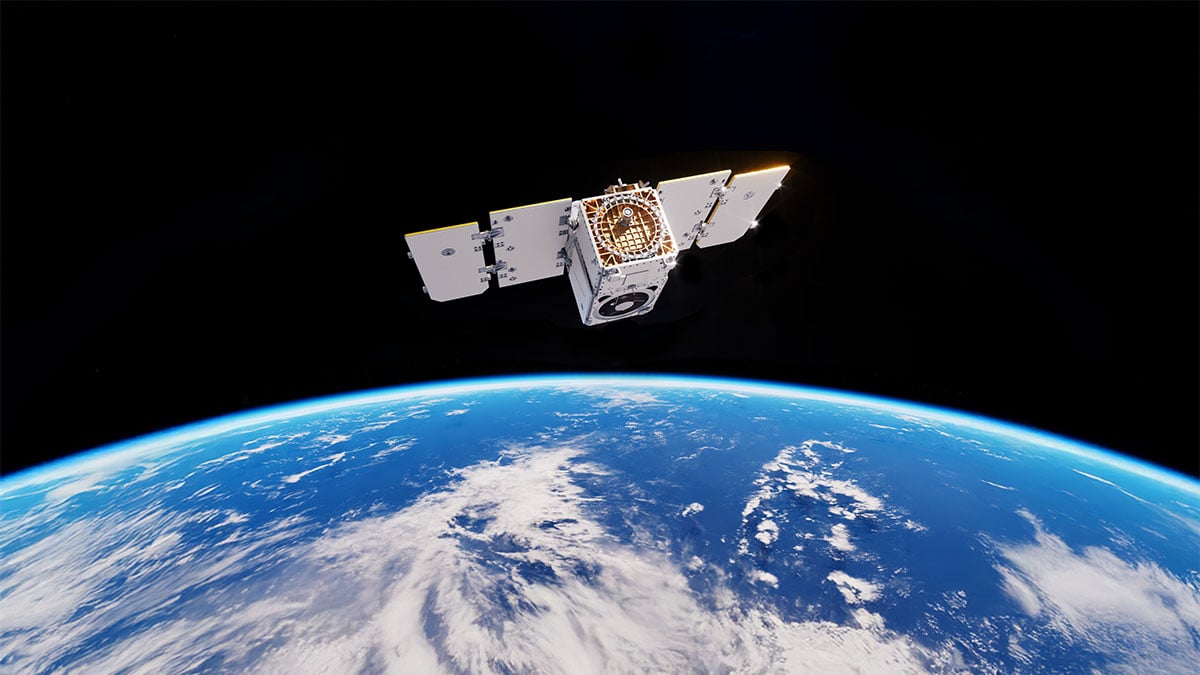
Planet Labs will use this facility to produce components for its new Pelican satellites, which are engineered to deliver high-resolution Earth imagery at short intervals. This capability enables near real-time monitoring of changes on the planet’s surface, offering crucial insights in areas such as disaster response, environmental conservation, infrastructure development, and climate impact assessment.
### Driving Innovation and Environmental Awareness
The data generated by Planet Labs’ satellites has wide-ranging applications. It supports disaster management by quickly identifying damage to bridges, dams, and energy infrastructure. It aids in environmental protection by tracking marine pollution and documenting the effects of climate change, wildfires, and flooding. The ability to detect issues early allows for faster, more effective responses—potentially saving lives, resources, and ecosystems.
Martin Polak, Managing Director of Planet Labs Germany, highlighted the strategic importance of the new hub: “The expansion of our European headquarters through the creation of our new European Space Hub in Berlin marks an important milestone in Planet’s European growth strategy.” The facility consolidates satellite manufacturing, engineering, mission operations, and business functions under one roof, accelerating innovation and strengthening Europe’s technological and industrial position in space.
### Global Collaboration and Expertise
The project itself is a testament to international cooperation. Project teams based in Germany and the United States are working across time zones to design and implement the facility. Drees & Sommer plays a central coordination role, managing cost, schedule, and quality while aligning the complex technical requirements of cleanroom, laboratory, and production spaces.
Rojda Emre, Team Lead at Drees & Sommer, emphasized the importance of precision and collaboration: “With highly specialised facilities and ambitious timelines, success depends on the precise coordination of all parties involved.” The cleanroom environment, for example, requires exact coordination of mechanical, electrical, and construction disciplines to ensure conditions remain optimal for sensitive satellite component assembly.
### Strengthening Berlin’s Position in the Space Industry
Planet Labs has maintained its European headquarters in Berlin for over a decade and continues to expand its presence in Germany. The company is adding up to 70 new positions to its existing workforce and in 2025 secured a €240 million satellite intelligence contract with the German federal government. This long-term investment reflects both confidence in the Berlin location and the city’s growing importance as a European hub for space technology.
Planet Labs operates the world’s largest Earth observation satellite fleet. Its data supports a wide range of applications, from supply chain monitoring and agricultural analysis to humanitarian crisis response and civil security. A notable example occurred in August 2022, when satellite imagery helped identify environmental factors contributing to a massive fish die-off in the Oder River, enabling earlier detection and analysis of potential pollution sources.
### The Rise of the New Space Economy
Planet Labs’ Berlin project is part of a larger global shift known as the New Space economy, driven by increasing demand for satellites, launch systems, and space-based robotics. According to a Roland Berger study, the global space market is projected to quadruple by 2040, growing from approximately €500 billion to €2 trillion. The study highlights that investments in specialized facilities like the one in Berlin are essential for Europe to maintain a competitive edge.
For Germany to succeed in this new space race, greater enthusiasm, strategic investment, and specialized infrastructure are needed. The Berlin facility represents a meaningful step forward—combining advanced manufacturing, research, and international expertise to support Europe’s long-term ambitions in space.
—
## Frequently Asked Questions (FAQ)
**What is Planet Labs building in Berlin?**
Planet Labs is constructing a state-of-the-art satellite manufacturing facility in Berlin-Charlottenburg. The site will include laboratories, cleanrooms, and office space for assembling and testing next-generation satellites.
**What are the cleanrooms used for?**
The cleanrooms—classified as ISO Class 6 and Class 7—are highly controlled environments used to manufacture and test sensitive satellite components. They maintain strict standards for particle concentration, temperature, and humidity to ensure product reliability.
**What type of satellites will be produced there?**
The facility will primarily support the production and testing of Pelican satellites, which provide high-resolution Earth imagery with frequent revisit times for near real-time monitoring.
**Who is managing the construction and design of the facility?**
Drees & Sommer, a global consulting firm specializing in real estate, infrastructure, and industry, is providing project management services for the project, including cost control, scheduling, and technical coordination.
**How will this facility benefit Europe’s space industry?**
The hub consolidates manufacturing, engineering, and operations in one location, accelerating innovation and strengthening Europe’s technological and industrial capabilities in the space sector.
**What role does satellite data play in environmental monitoring?**
Satellite data helps detect environmental changes, monitor natural disasters, assess climate impacts, track pollution, and support early intervention—making responses faster and more effective.
**What is the New Space economy?**
The New Space economy refers to the growing market for satellites, launch systems, and space robotics. It represents a major growth opportunity, with the global space market expected to expand significantly in the coming decades.
—
## Conclusion
The development of Planet Labs’ new European Space Hub in Berlin represents more than the expansion of a single company—it signals a broader transformation in Europe’s space ambitions. By investing in cutting-edge manufacturing infrastructure and fostering international collaboration, Berlin is positioning itself at the forefront of the New Space economy. The facility will not only enhance Planet Labs’ capabilities but also support critical applications in environmental monitoring, disaster response, and public policy. As the global demand for satellite data continues to rise, projects like this one will be essential in turning innovation into real-world impact—ensuring that the future of space technology is both advanced and accessible.
