



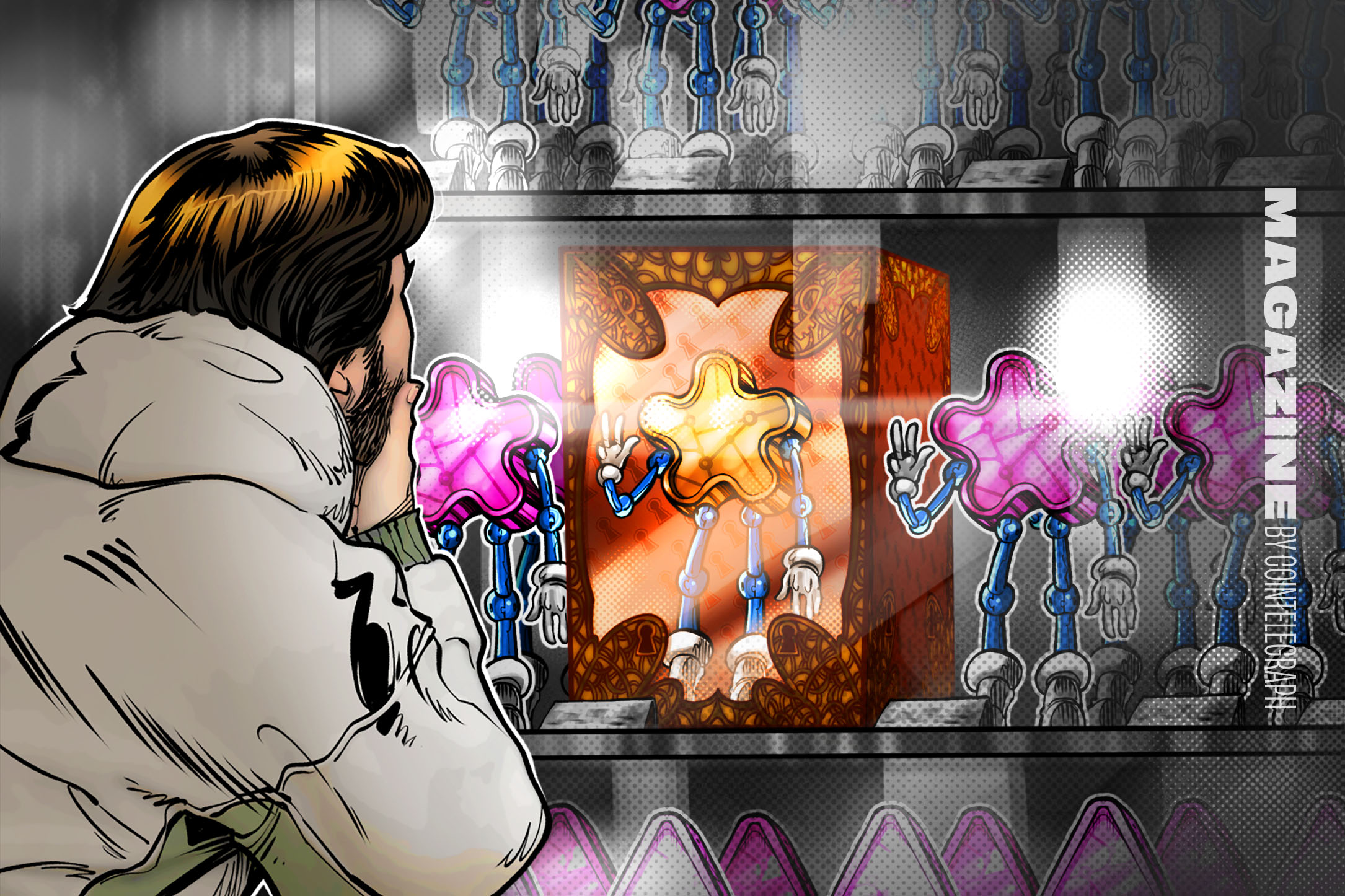
**Fake World Assets: The Onchain Gacha Craze Lighting Up Crypto Twitter**
Just when the crypto narrative was settling into a predictable rhythm, a new phenomenon has exploded onto the scene, capturing the attention of the blockchain community. Fake World Assets (FWAs) have emerged as the latest viral craze, transforming the onchain experience into a digital gacha game that blends collectibles, gambling, and blockchain technology in a uniquely addictive way.
At its core, the FWA phenomenon is simple yet compelling. Users pay a fee to spin an onchain “gacha” machine, receiving a randomly selected NFT from a curated collection. Unlike traditional NFT purchases, where value is tied to the specific asset, FWAs offer the thrill of the unknown. The prizes range from well-known digital art collections like CryptoPunks and Azuki to more niche projects, creating a treasure hunt dynamic that has proven irresistible to many.
### The Mechanics Behind the Madness
The appeal of FWAs lies in their dual structure. On one side, NFT holders act as liquidity providers (LPs), depositing their collectibles alongside ETH into a shared pool. They earn a portion of the transaction fees generated by players, creating a passive income stream if their asset remains in the pool long enough. On the other side, players pay to participate, hoping to land a prize worth significantly more than their initial spin. According to analytics, approximately 70% of winners immediately cash out their ETH, while the remaining 30% choose to keep the NFT, adding another layer of risk and reward to the experience.
This gamified approach to commerce is not entirely new—crypto has seen onchain gacha mechanics before—but FWAs have scaled at an unprecedented rate. Within just four days of launch, the platform consumed so much Ethereum gas that it briefly became the network’s largest fee generator. By late July, it was processing millions in daily volume, with TVL (Total Value Locked) surpassing $6 million and daily fees reaching $1.53 million.
### Is This a Lasting Innovation or a Fleeting Trend?
The sustainability of the FWA model is a hotly debated topic. Critics, like Simon Dedic of Moonrock Capital, argue that much of the current traction is fueled by token incentives rather than organic demand. From this perspective, FWAs function as a high-risk casino for “degens,” where the primary draw is speculation rather than genuine utility.
However, proponents see deeper potential. Behavioral finance experts point out that the blend of hope, chance, and instant gratification mirrors real-world phenomena like lottery tickets or sealed-storage-unit purchases. The excitement of a possible windfall, paired with the playful nature of random discovery, creates a powerful psychological pull. As the Gen Z demographic, now entering peak earning years, continues to shape consumer behavior, gamified commerce is poised to become even more mainstream.
The key question remains: Will FWAs maintain momentum once the initial token-incentive phase fades? If users continue to engage without direct rewards, FWAs could establish a new standard for onchain retail and entertainment. If not, they may join the graveyard of ambitious but short-lived crypto experiments.
### FAQ
**What are Fake World Assets (FWAs)?**
FWAs are a type of NFT-based gacha game where users pay a fee to receive a randomly selected NFT from a predefined collection. The assets are “fake” in the sense that they are not representing real-world items but are instead digital collectibles with inherent speculative value.
**How does the FWA mechanism work?**
Users deposit ETH to spin a virtual gacha machine. The NFT they receive can be kept or redeemed for its underlying ETH value. Meanwhile, NFT holders who provide liquidity to the pool earn fees from these transactions, creating a dual-sided marketplace.
**Who created Fake World Assets?**
FWAs were launched by TokenWorks, a team focused on onchain collectibles and gamified commerce.
**Is the FWA craze driven by genuine user interest or incentives?**
Both. While a significant portion of early activity is attributed to token incentives designed to attract users, there is also demonstrable organic interest in the gamified mechanic itself.
**What is the future of onchain gacha?**
If the current momentum sustains, onchain gacha could evolve into a legitimate retail and entertainment category within crypto, offering engaging, low-stakes experiences that blend digital ownership with the thrill of chance.
### Conclusion
Fake World Assets represent a fascinating inflection point in the evolution of blockchain-based entertainment. By merging the collectible nature of NFTs with the addictive psychology of gacha games, they have tapped into a potent mix of speculation, fun, and community. Whether they herald a new era of sustainable onchain commerce or burn bright as another dazzling fad remains to be seen. For now, one thing is clear: in the often-serious world of blockchain, sometimes the most interesting developments are the ones that simply let users play.
