



**AI Reshapes Cybersecurity: Check Point’s Vision for the Future**
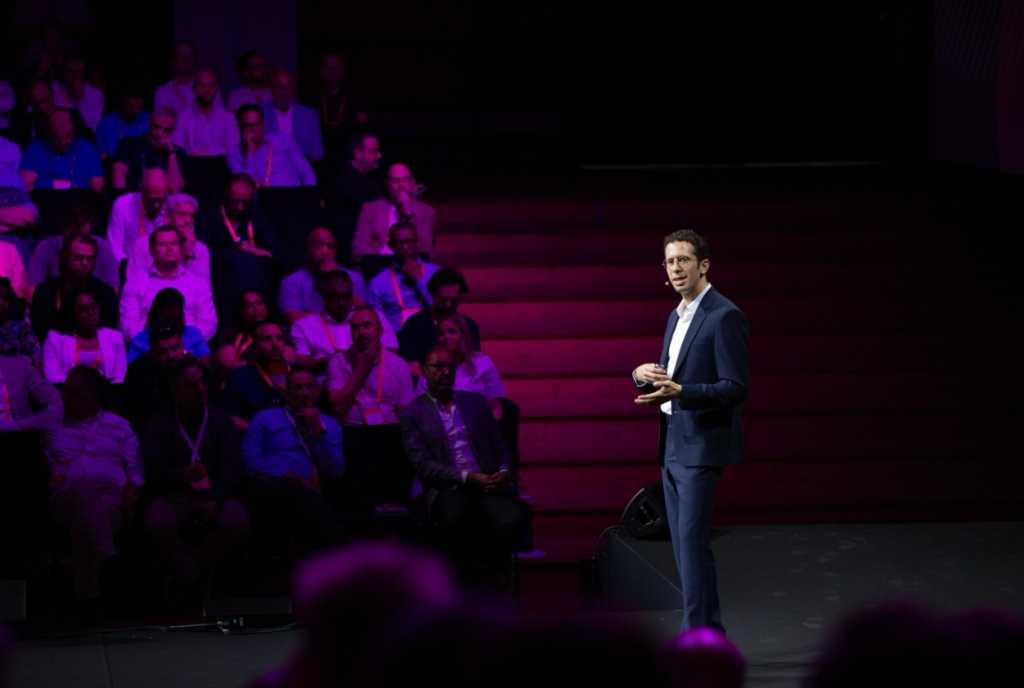
In a recent interview at the Engage 2026 user conference in Paris, Check Point Software CTO Jonathan Zanger shared his insights on how artificial intelligence is revolutionizing cybersecurity. According to Zanger, we are at the cusp of the biggest technological shift since the advent of the internet, and AI is the primary driver of this transformation.
Zanger highlighted that AI is dramatically scaling cybersecurity operations. Traditionally, security teams relied on a limited number of experts to monitor threats and create defenses. Now, AI agents work alongside human experts, increasing efficiency by up to 20 times. These AI systems continuously monitor and test security measures, enabling organizations to detect and respond to threats far faster than ever before.
However, this AI-driven shift cuts both ways. While AI strengthens defense capabilities, it also empowers malicious actors. Cybercriminals are using AI to launch faster, more sophisticated attacks, such as advanced phishing campaigns, with less technical expertise. This proliferation of threats means organizations must now focus on securing their AI systems, which often have extensive access to enterprise data and operations.
One major challenge is the unpredictability of AI agents. Unlike traditional systems, AI can understand natural language and handle ambiguity, making its behavior harder to predict. This creates a larger attack surface, as AI systems require more connections to function effectively. According to Zanger, the key to mitigating these risks lies in building security into AI platforms from the very beginning of development.
Zanger also emphasized the importance of collaboration in defending against AI-driven attacks. He believes that teamwork between organizations, security companies, and internal departments is essential to level the playing field. Additionally, he advocates for using AI to simulate the tactics of ethical attackers, allowing organizations to identify vulnerabilities before cybercriminals exploit them.
Looking ahead, Zanger outlined three major innovations shaping the future of cybersecurity:
1. **AI-Powered Defense Operations**: AI enhances vulnerability detection, security assessments, and threat response.
2. **Protection of AI Systems**: Securing AI applications and agents to prevent them from becoming new attack vectors.
3. **Defense Against AI-Driven Attacks**: Combining advanced detection models with ethical AI hacking to anticipate threats.
For small and medium-sized businesses, Zanger stressed the need for transparency and auditability in AI security systems. While automatic threat blocking is essential, organizations must also understand the reasoning behind these decisions to refine future defenses.
As cybersecurity continues to evolve, one thing is clear: embracing AI—with security at its core—is no longer optional, but a necessity for survival in the digital age.
***
*Original Article Source:*
Check Point Software CTO Jonathan Zanger met with CSO Spain during the software company’s Engage 2026 user conference last week in Paris. The discussion, edited for length and clarity, covers AI’s impact on cybersecurity, emerging threats, and strategies for secure AI adoption.
Source: [CSO Online – Jonathan Zanger on AI transforming cybersecurity](https://www.csoonline.com/wp-content/uploads/2026/07/4195311-0-56119400-1783666959-Jonathan-Zanger1.jpg?quality=50&strip=all)
