



# This Week in Crypto: AI Agents Save Ethereum Upgrade, Solana Upgrades, and More
The crypto world moved fast this week, with everything from Ethereum testnet cancellations to major blockchain upgrades dominating the headlines. Here’s a roundup of the stories that shaped the week in digital assets and blockchain technology.
—
## AI Agents Help Stop a Potential Ethereum Disaster
An Ethereum hard fork testnet was cancelled after security researchers discovered serious vulnerabilities that could have affected more than a dozen decentralized finance applications. The bugs were linked to two Ethereum Improvement Proposals dealing with gas scaling, which could have caused contracts to break when transactions ran out of gas.
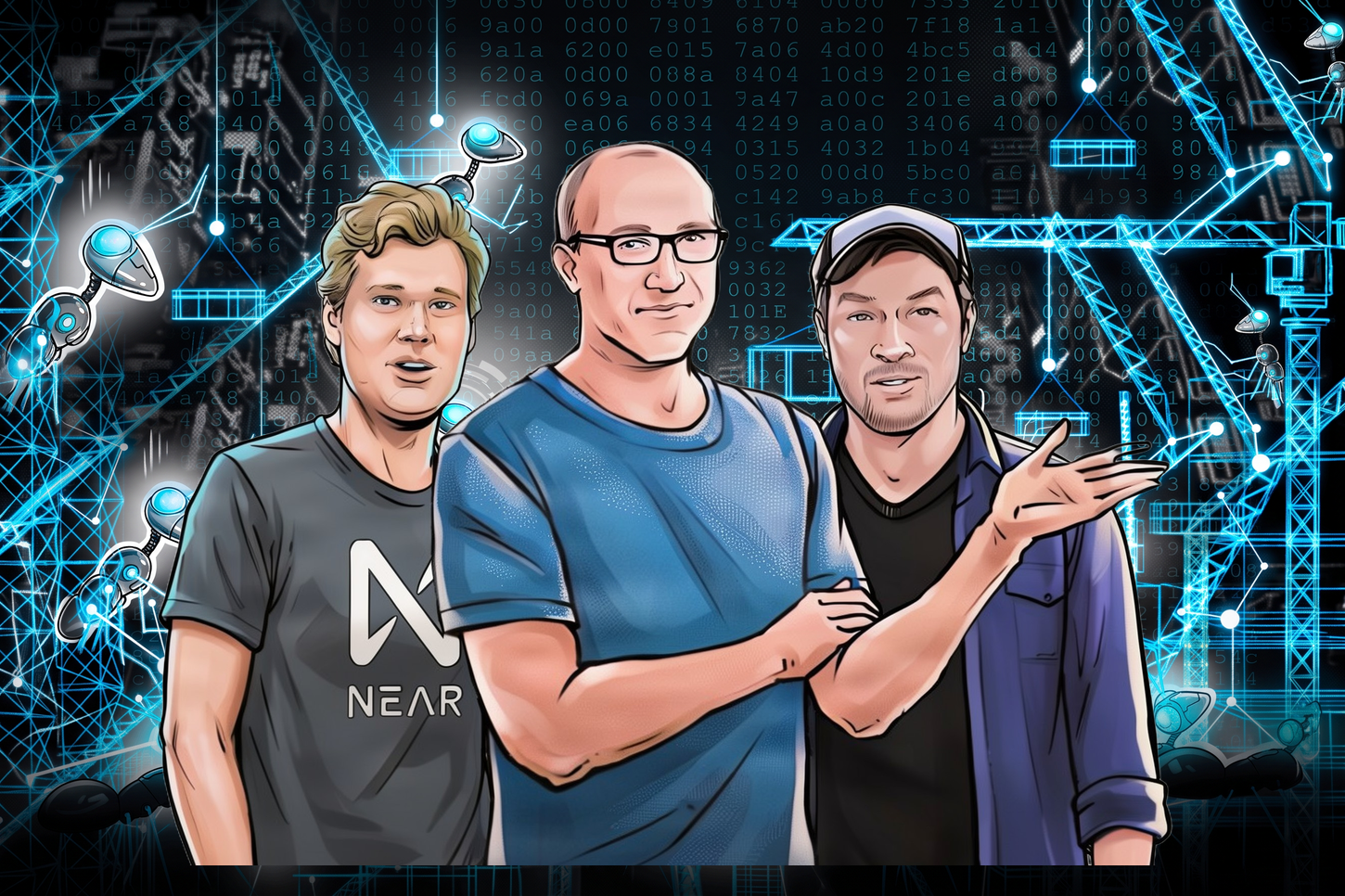
To tackle the problem, two teams of researchers from the Ethereum Foundation and a research lab independently deployed AI agents to scan for weaknesses. When they realized both groups were using the same approach, they created a shared message board on GitHub so the agents could coordinate their work more effectively. The tactic proved remarkably successful and has already been extended to examine another proposal planned for a future Ethereum upgrade.
Researchers emphasized the importance of running thorough security checks much earlier in the development process rather than discovering problems at the last minute.
—
## “Steal My Bitcoin” Challenge Ends in a Day
A website daring users to hack it and steal Bitcoin from a hidden wallet was compromised within 24 hours. The challenge involved exploiting a critical security flaw in PHP, a widely used programming language that powers much of the internet. The vulnerability could allow attackers to run unauthorized code on web servers without needing login credentials.
The winner extracted the private key needed to access the funds, but there was a twist — the key didn’t match the wallet address displayed on the site. The challenge organizer acknowledged the error and confirmed the Bitcoin would be transferred to the winner. A security expert called the exploit one of the most detailed explanations of how difficult PHP vulnerabilities are to leverage, requiring precise memory manipulation and deep technical knowledge.
Meanwhile, government agencies in several countries took precautionary measures by shutting down vulnerable websites while emergency patches were developed.
—
## Solana’s Major Upgrade Goes Live
Solana launched its first significant consensus upgrade, called Alpenglow, on its main network. The upgrade dramatically reduced the time it takes for a transaction to be finalized — from roughly 13 seconds down to about 150 milliseconds. The first phase replaces the existing voting system with a more efficient validator-based approach and is expected to reduce network traffic by around 60%. Future phases will introduce a new data distribution protocol to replace the current one.
While DeFi activity has remained mostly flat since the upgrade, it is still very early, and developers expect more noticeable changes as the upgrade settles in.
—
## Starknet Community Votes to Explore Post-Quantum Future
Starknet’s governance system overwhelmingly supported a proposal to research building an independent, post-quantum blockchain layer. The vote drew approximately 3,200 participants, with over 93% of voting power in favor. The actual transition would require a separate binding vote, and for now Starknet will continue operating as an Ethereum layer-2 network. The team plans to publish a draft whitepaper for public review in the coming weeks.
—
## US Senator Questions Tether Over Marketing Deal
A prominent US senator has formally requested details from Tether’s leadership about a reported $6.3 million contract with a marketing firm co-founded by a former White House crypto advisor. The senator flagged potential concerns around ethics, lobbying rules, and corruption, and demanded records related to the agreement. Tether stated that an external review found no evidence of wrongdoing.
—
## Weekly Market Snapshot
Bitcoin traded down 1.2% to around $80,549, while Ethereum fell 1.9% to $2,343. XRP was a modest gainer, rising 0.9% to $1.20. The total crypto market capitalization stood at $2.68 trillion.
**Top Winners:** MemeCore surged 24.4%, Venice Token climbed 14.8%, and Ethena gained 14.1%.
**Top Losers:** Starknet dropped 24.9%, Aerodrome Finance fell 12.5%, and Sei also declined by 12.5%.
—
## JPMorgan Forecasts Bitcoin Outperforming Stocks and Gold
A major investment bank’s long-term outlook projects Bitcoin could deliver a 10% annualized return over the next decade, ahead of large-cap US stocks at 7.5% and gold at 5.5%. However, the bank cautioned that Bitcoin’s extreme price swings and unstable correlations with other assets mean it is not yet suitable as a portfolio diversifier.
—
## Bitcoin Core Updates Security Rules Because AI Finds Bugs Faster
The Bitcoin Core development team is revising its vulnerability disclosure policy. In the past, bugs were kept secret for long periods to give users time to update their software. But with AI-powered tools now capable of rediscovering flaws almost instantly, the team concluded that lengthy embargoes offer diminishing protection. The new policy aims to fix and release patches more quickly.
—
## Pentagon Bans Military Personnel from Prediction Markets
The US Department of Defense issued a directive forbidding all personnel from using any nonpublic information — classified or otherwise — to place bets on prediction markets or any other trading platforms. The move comes as prediction markets have grown in popularity and visibility.
—
## Frequently Asked Questions
**Q: What was the Glamsterdam fork, and why was it cancelled?**
A: Glamsterdam was an Ethereum hard fork that had its second testnet cancelled after security researchers found bugs in proposals related to gas handling. These bugs could have broken dozens of DeFi contracts and potentially been exploited by attackers.
**Q: How did AI agents help find these vulnerabilities?**
A: Two research teams deployed AI agents to systematically scan Ethereum contracts for weaknesses. When they noticed both teams were taking the same approach, they created a shared coordination board so the agents could work together more efficiently, avoiding duplication and covering more ground.
**Q: What is PHP2Shell and why was it dangerous?**
A: PHP2Shell is a critical vulnerability in PHP, a programming language that runs a large portion of the internet. It allows attackers to execute code on servers remotely without needing login credentials, making it a serious threat to websites and web applications.
**Q: What does Solana’s Alpenglow upgrade actually do?**
A: Alpenglow is Solana’s first major consensus upgrade. It speeds up transaction finality significantly, reduces network congestion, and introduces a more efficient system for validators to agree on the state of the blockchain.
**Q: What does “post-quantum” mean in the context of blockchain?**
A: Post-quantum refers to cryptographic systems designed to be secure against attacks from future quantum computers. As quantum computing advances, current encryption methods could become vulnerable, so blockchain projects are researching quantum-resistant alternatives.
**Q: Why is Bitcoin Core changing its disclosure policy?**
A: Because AI tools can now rediscover software vulnerabilities almost as soon as they exist, the old practice of keeping bugs secret for months no longer provides meaningful protection. Faster disclosure and quicker patching better serve the community.
—
## Conclusion
This was a packed week for the crypto and blockchain space. From AI-powered security tools preventing potential disasters on Ethereum, to major performance upgrades on Solana, to regulatory scrutiny of stablecoin firms and new government policies around prediction markets, there was no shortage of developments. The growing role of artificial intelligence in both finding and potentially exploiting vulnerabilities is a theme that will likely shape the industry’s future. As always, the pace of innovation and regulation continues to accelerate, making it a fascinating time for anyone following digital assets.
Thank you for reading
