



# This Week Could Shape Your Money, Your Crypto, and Your Investments Before the Holidays
Financial markets are entering a packed week of decisions that could determine how much your stocks, digital currencies, and cash savings are worth heading into Christmas. From Wednesday through Friday, three major events are colliding: a central bank announcement, critical inflation numbers, and over $11 billion in cryptocurrency contracts reaching their deadline.
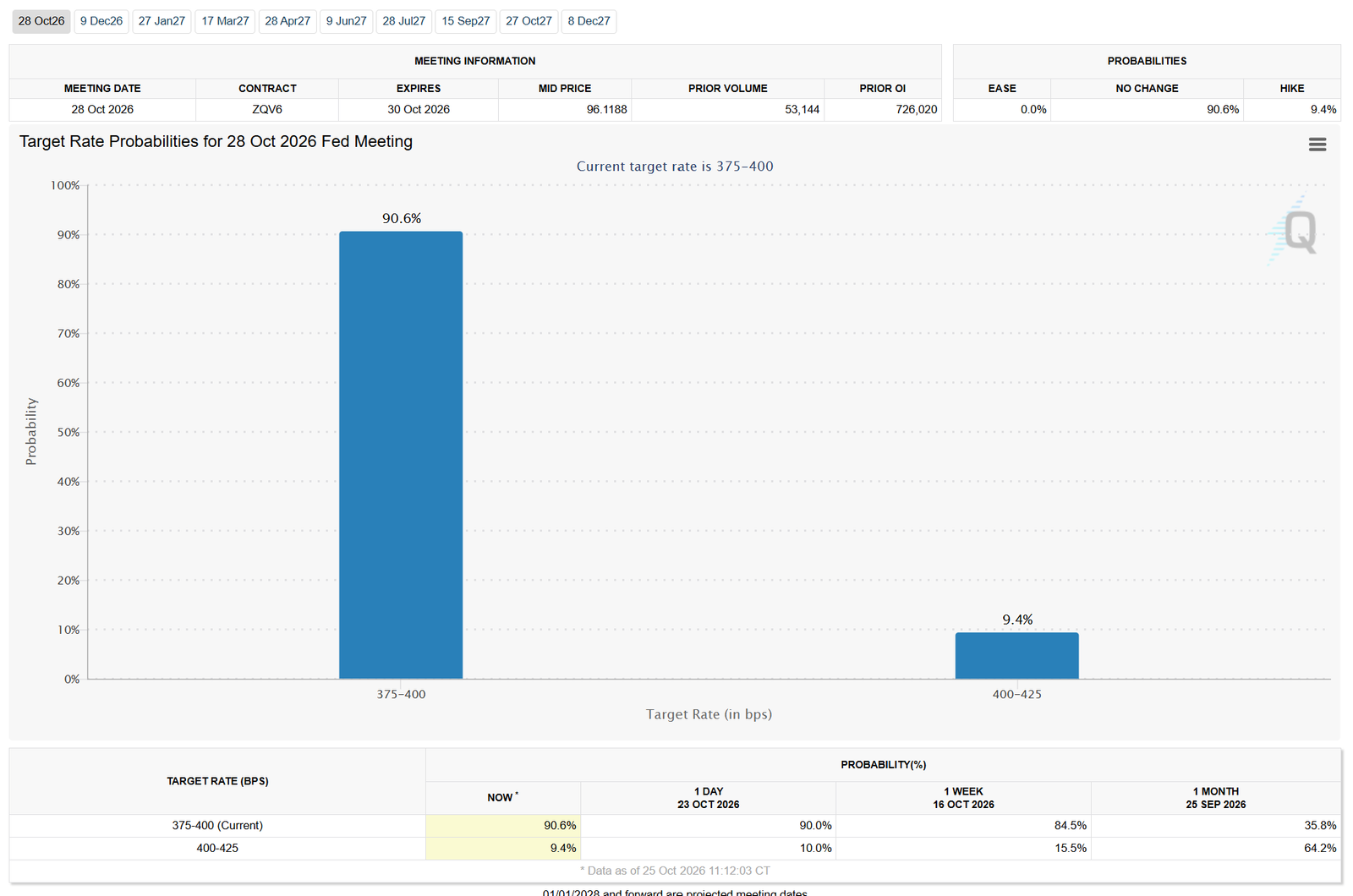
A month ago, most traders expected rates to go higher this week. Today, fewer than one in ten believe a rate increase will happen. But Wall Street isn’t celebrating just yet — most experts still think another move is coming before the year ends.
—
## Why Does a “Pause” Still Matter for December?
Earlier this year, the central bank raised its benchmark interest rate for the first time in over two years. The move pushed the key rate into a range of roughly 3.75% to 4.00%. That number has ripple effects everywhere. It influences what families pay for homes, cars, and everyday borrowing. It also determines where big money flows.
When keeping cash in savings accounts becomes more rewarding, investors tend to pull back from riskier bets — things like technology shares and digital assets.
This Wednesday, the central bank is widely expected to hold steady. Official tracking tools place the chance of no change above 90%. Just a month ago, a hike was the popular prediction at around 64%.
December, however, tells a very different story. Market trackers now give a December increase about a two-thirds chance. In a recent survey of financial experts, every single one of the 100 participants expected a move.
So why wait if everyone sees a hike coming? Timing matters because of the election. Voters go to the polls on November 3, and the central bank leader will face the press the same day. Many analysts believe the announcement will be deliberately held until after the votes are counted.
—
## Can Thursday’s Price Data Spark a Market Rally or a Drop?
Thursday morning brings the number that the central bank watches most closely. It measures how fast everyday prices are rising for American consumers.
Analysts predict a reading around 3.7% year-over-year. The central bank’s own target sits at 2%. Right now, the number is moving in the wrong direction — up from 3.4% just one month earlier.
The broader economy isn’t helping things cool down either. Growth during the most recent three-month period is expected to come in at roughly 3.2%, up sharply from 2.2% in the prior quarter.
Bond markets are already sounding alarms. The yield on long-term government bonds — which directly affects what people pay on home loans — has been hovering near 5%. It briefly spiked above 5.3% earlier this month.
A hotter-than-expected number would strengthen the argument for a December increase. A cooler reading would soften it.
The stakes become clear when you look back. In earlier months, Bitcoin dropped from roughly $82,000 to the low $60,000 range as hopes for rate cuts faded. Yet here’s the interesting part: when the central bank did eventually raise rates in September, Bitcoin jumped almost immediately — climbing from about $75,350 to over $76,100 within minutes.
—
## Are Global Central Banks Adding Extra Pressure?
Europe’s top bank meets on Thursday. A survey of economists showed the vast majority expect it to hold its current rate at around 2.50%. Most also anticipate a hike arriving in December.
Then comes Friday, when Japan’s central bank makes its call. Its rate of 1.25% is already the highest it’s been since the mid-1990s.
This matters well beyond Tokyo’s borders. For years, investors have borrowed cheaply in Japan and deployed that money into assets around the world, including digital currencies. As expectations for higher Japanese rates grow, those low-cost borrowing strategies could unwind — potentially affecting prices across global markets.
—
## How Could Friday’s $11 Billion Deadline Move the Crypto Market?
Bitcoin was trading at around $80,472 on Sunday, a notable retreat from its early-October peak above $86,000.
Then comes Friday, when contracts worth roughly $11 billion reach their expiration on the leading crypto derivatives platform. This is the largest single deadline on the calendar, covering more than a third of all open Bitcoin contracts there.
Bets that Bitcoin will go higher outnumber bearish bets by nearly two to one. The single largest wager, roughly 19,950 units of Bitcoin, is placed at a target of $95,000. For that bet to pay off, the price would need to climb close to 18% in just five days.
Platform data tells a different angle, though. At $78,000, the majority of these contracts would end up worthless.
By Friday, investors will have a much clearer picture of what December holds. The central bank will meet again in early December, Europe will decide mid-month, and Japan will wrap up the year’s moves by late December. Markets are currently pricing in increases at all three events with odds above 70%. This week will determine whether those expectations grow stronger — or start to fracture.
—
## Frequently Asked Questions
**Q: What does a central bank interest rate hike mean for regular people?**
A: When rates go up, borrowing costs rise. Mortgages, auto loans, and credit card interest rates tend to increase, making it more expensive to finance purchases. On the flip side, savings accounts and other safe investments may offer better returns.
**Q: Why would a rate pause make markets nervous?**
A: A pause often signals uncertainty. If the central bank stops but hints that more increases are coming later, investors can become nervous about future policy moves and how they’ll affect valuations.
**Q: How does inflation data influence the central bank’s decisions?**
A: The central bank uses inflation readings to gauge whether prices are rising too fast. If inflation stays above their target, they’re more likely to raise rates further to cool spending. If it starts falling toward their goal, they may slow down or reverse course.
**Q: Why does Bitcoin react to central bank decisions?**
A: Digital assets like Bitcoin are sensitive to the cost of money. When rates rise, safer investments become more attractive compared to riskier ones like crypto. However, unexpected rate actions — even hikes — can sometimes trigger short-term rallies if they remove uncertainty from the market.
**Q: What are these $11 billion in contracts expiring on Friday?**
A: These are options contracts — agreements that give the holder the right, but not the obligation, to buy or sell Bitcoin at a set price before a specific date. When they expire, traders either cash out winners or let losing positions lapse, which can create sudden price swings.
**Q: Should I be worried about what happens this week?**
A: For most long-term investors, short-term market moves matter less. But if you have money in stocks, crypto, or savings vehicles tied to interest rates, this week’s events could influence near-term values. Staying informed helps you make confident decisions rather than reactive ones.
—
## Conclusion
This week represents a convergence of economic events that could reshape expectations for the rest of the year. With the central bank likely to hold steady on Wednesday, inflation data arriving Thursday, and a massive crypto deadline hitting Friday, every piece of information matters. Global central bank decisions from Europe and Japan add another layer of uncertainty.
The big takeaway is this: markets are braced for more rate increases in December, but how this week plays out could shift those expectations significantly. Whether you’re invested in traditional stocks, digital currencies, or simply watching how these decisions affect your cost of living — paying attention to this week’s developments is worthwhile.
Thank you for reading
