



# Honoring Recovery: The National Museum of the U.S. Army Opens a Powerful New Exhibit on the Army Corps of Engineers’ Role After 9/11
The National Museum of the United States Army, situated near Fort Belvoir, Virginia, has unveiled a deeply moving new exhibit commemorating the 25th anniversary of the September 11th attacks. Rather than retelling the events of that tragic day, the museum chose to spotlight a story that remains unfamiliar to many Americans — the massive logistical and emotional recovery effort led by the U.S. Army Corps of Engineers in the aftermath of the attacks.
## A Story Most Americans Don’t Know
The decision to focus on the Corps of Engineers was intentional and personal, according to the museum’s director, Paul Morando. While the museum’s main galleries already cover the broader narrative of the global war on terrorism and the Army’s role in it, this exhibit was designed to illuminate a chapter of history that deserves its own spotlight.
“When you think about 9/11, you naturally think of the first responders — the firefighters, the paramedics, the police officers who rushed into danger,” Morando explained. “But what happened in the days and weeks that followed? Who was responsible for clearing 1.5 million tons of rubble from Lower Manhattan? Who ensured the Pentagon was structurally safe enough for rescue teams to return inside? That was the Army Corps of Engineers.”
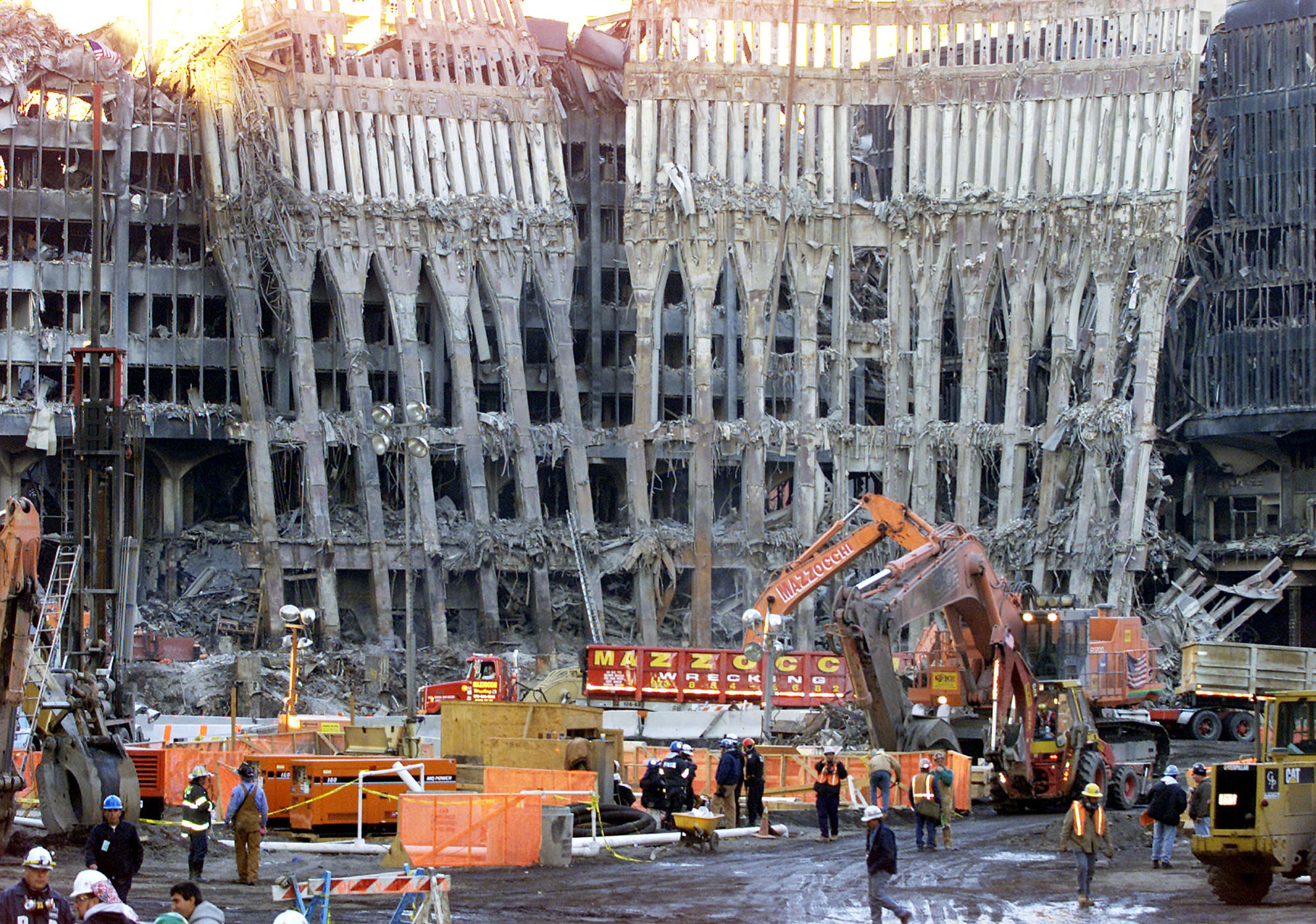
The exhibit details how the Corps orchestrated one of the largest debris-removal operations in American history, transporting millions of tons of wreckage from Ground Zero in New York City to a landfill on Staten Island. Beyond the physical cleanup, the soldiers of the Corps were tasked with searching through the wreckage for human remains and personal belongings — a painstaking, emotionally grueling mission that required both logistical genius and profound human sensitivity.
## Artifacts That Speak Volumes
The exhibit features a collection of artifacts that bring this story to life in deeply personal ways. Each item was carefully selected to connect visitors to the experiences of the soldiers and service members who carried out this work.
Among the most striking pieces is a World War II–era wall clock that once hung on the wall of the Pentagon. The clock stopped at the precise moment the aircraft struck the building on September 11, 2001. It is a humble, everyday object — the kind of thing millions of people have hanging on their walls — and its silence at that moment carries an unmistakable weight.
Another poignant artifact is the military identification card of Rick Rescorla, a decorated Vietnam veteran who was working as part of the security team for Morgan Stanley at the World Trade Center on the morning of the attacks. Rescorla is widely credited with helping evacuate thousands of his colleagues from the South Tower before it collapsed. His ID card was recovered in Lower Manhattan during the recovery process and now rests on display in the museum, serving as a reminder of individual courage amid unimaginable chaos.
Visitors can also see a door from a New York City Police Department vehicle, fragments of steel from the Twin Towers, and pieces of wreckage from the Pentagon. Each item serves as a tangible link to the events of that day and the long road to recovery that followed.
## A Symbol of Resolve: The Pentagon Flag
One of the most iconic elements of the exhibit is a large American flag that was draped across the side of the Pentagon in the days following the attack. The flag became an enduring image of national resilience, captured in one of the most widely shared photographs of the aftermath.
For Morando and the museum team, the flag represents more than a single moment frozen in time. It stands as a symbol of the nation’s resolve and the strength that soldiers of the U.S. Army have long embodied. The museum made a deliberate decision to permanently incorporate the flag into the exhibit, constructing a custom display case to accommodate its size even when folded.
“We knew this artifact needed to be part of this exhibit,” Morando said. “It was put up a day after the attack and kept there to remind people of what was lost, but also of the resilience of our nation.”
## Building the Exhibit: A Personal Journey
For the museum staff, assembling the exhibit was an emotional undertaking. The team worked closely with curators and historians from the U.S. Army Corps of Engineers’ history office to ensure accuracy and depth, but the process also required navigating the deeply personal stories embedded in each artifact.
“These aren’t just objects in a display case,” Morando reflected. “Most of the artifacts we chose are tied directly to a soldier who responded to Ground Zero or to 9/11. When you spend months looking at images and reading personal accounts and handling items that once belonged to real people, it brings it home. The world changed on that day, and we’re still living in the aftermath.”
The exhibit includes a detailed timeline that traces the arc of the attacks, the immediate recovery response, and the subsequent rebuilding efforts in Lower Manhattan and at the Pentagon. Morando hopes this visual narrative helps visitors understand that September 11th is not just a story of loss — it is also a story of unity, determination, and renewal.
## Visitor Responses and the Weekend of Remembrance
Since the exhibit opened to the public, the museum has received an outpouring of emotional responses, particularly from those who lived through the attacks. Many visitors have found a deep personal connection to the stories of recovery and resilience told through the artifacts and displays.
To mark the 25th anniversary, the museum has organized a special weekend of programs and remembrance activities. These include a flower memorial where visitors can create paper flowers to contribute to a communal display of remembrance, an honor walk around Warriors Field in front of the museum, a story time session, and the display of outdoor memorial stones that originated from the Pentagon grounds.
The museum aims to be more than a place of historical documentation. It aspires to be a space for reflection, connection, and education — a place where visitors, regardless of their personal connection to September 11th, can come away with a deeper understanding of the sacrifices made by soldiers and the ongoing work of recovery.
## Frequently Asked Questions (FAQ)
**What is the National Museum of the United States Army?**
It is a museum located near Fort Belvoir, Virginia, dedicated to telling the story of the U.S. Army and its soldiers throughout American history.
**Why did the museum focus on the Army Corps of Engineers for this exhibit?**
The museum wanted to highlight a lesser-known aspect of the September 11th response. While first responders are widely recognized, the Corps of Engineers played a critical role in the massive recovery, debris removal, and rebuilding operations in the aftermath of the attacks.
**Are there artifacts from the Pentagon included in the exhibit?**
Yes. The exhibit features pieces of wreckage from the Pentagon, a wall clock that stopped at the moment of impact, and the American flag that was draped across the side of the building in the days following the attack.
**Who is Rick Rescorla, and why is his ID card featured?**
Rick Rescorla was a Vietnam veteran who worked in the security office at Morgan Stanley in the World Trade Center. On September 11th, he helped evacuate thousands of his coworkers from the South Tower before it collapsed. His military identification card was later recovered in Lower Manhattan during the recovery effort.
**How large is the debris removal effort described in the exhibit?**
The Army Corps of Engineers was responsible for removing approximately 1.5 million tons of rubble and debris from Lower Manhattan, transporting it to a landfill on Staten Island.
**What special events are planned for the 25th anniversary weekend?**
The museum is hosting a flower memorial, an honor walk around Warriors Field, a story time session, and the display of memorial stones from the Pentagon.
**Will the Pentagon flag remain a permanent part of the exhibit?**
Yes. The museum has decided to permanently incorporate the flag into the “Steel and Stone” exhibit after constructing a custom display case for it.
## Conclusion
The new exhibit at the National Museum of the United States Army serves as both a historical record and a deeply human story. By focusing on the Army Corps of Engineers, the museum shines a light on the unsung heroes who stepped forward in the aftermath of one of the most devastating events in American history. The artifacts on display — from a stopped clock to a fallen soldier’s ID card — remind us that behind every massive operation are individual people making extraordinary sacrifices. As the nation marks the 25th anniversary of September 11th, this exhibit offers a space for reflection, education, and gratitude. It honors not only those who were lost, but also those who dedicated themselves to the long, difficult work of recovery and rebuilding.
Thank you for reading
