



# The Director of National Intelligence at 25: Strengthening the Hub of American Intelligence
The Office of the Director of National Intelligence stands as one of the most consequential reforms to emerge from the aftermath of the September 11, 2001 terrorist attacks. Created to serve as the president’s central intelligence advisor and to unify a fragmented community of spy agencies, the DNI position was designed to ensure that no critical information would fall through the cracks between organizations again. Yet more than two decades later, questions about the office’s effectiveness, size, and scope continue to spark debate among policymakers, national security experts, and intelligence professionals alike.
## A Role Born from Failure
The impetus for creating the DNI role stemmed directly from the investigative findings of the commission that examined the 9/11 attacks. One of the commission’s central conclusions was that a catastrophic breakdown in information sharing between agencies—most notably the Federal Bureau of Investigation and the Central Intelligence Agency—had allowed plotters to slip through the cracks undetected. The intelligence community, while rich in individual agency expertise, lacked the connective tissue needed to piece together a holistic picture of emerging threats.
Congress responded by establishing the position of Director of National Intelligence, which assumed responsibilities that had previously fallen to the director of the CIA. The new role was tasked with overseeing all 18 U.S. intelligence agencies, coordinating analysis and operations, and serving as the singular voice of intelligence at the highest levels of the executive branch.
## The Case for Reform
In recent months, a bipartisan group of lawmakers on the House Permanent Select Committee on Intelligence undertook a comprehensive review of the original 9/11 commission recommendations. Their findings concluded that the fundamental case for a DNI remains as valid today as it was twenty-five years ago. However, the panel also acknowledged persistent shortcomings in how the office has carried out its mission.
Lawmakers emphasized that the DNI must be empowered to align intelligence collection, analysis, and resource allocation with the nation’s most pressing security priorities. The panel’s report called for targeted reforms that would strengthen the office’s integration capabilities without introducing unnecessary layers of bureaucracy.
## The Growth Problem
One of the most recurring criticisms leveled at the intelligence office has been its expansion over the years. The establishment of numerous mission centers and a reliance on personnel detailed from partner agencies contributed to a significant growth in the office’s footprint. Former DNI Mike McConnell, who led the office from 2007 to 2009, has publicly stated that the organization had outgrown its original purpose.
“The office had taken on responsibilities that diluted its core mission,” McConnell remarked during a recent interview, adding that while he would not advocate for eliminating the position entirely, the resources being consumed by the office had come at the expense of the agencies it was meant to coordinate.
Other analysts have echoed this concern. Jamil Jaffer, who leads a national security research institute at George Mason University, testified before the House Intelligence Committee that the office had grown well beyond what was originally anticipated. He argued that the DNI should refocus its efforts on a narrower set of core functions—budget management, authorities consolidation, and cross-agency integration—rather than spreading itself across too many domains.
## Workforce Reductions Under the Current Administration
The intelligence office has undergone significant staff reductions in recent months. The acting director oversaw a series of personnel reductions that were publicly highlighted on social media, while the former director had reportedly advanced a plan to slash the workforce by forty percent before departing the role.
These cuts have reduced the office’s headcount to less than half of what it was at the beginning of the current administration, according to congressional aides quoted in major outlets. The reductions have drawn sharp criticism from national security professionals who warn that stripping personnel from the office without a coherent strategy for improvement is counterproductive.
“How do you improve performance by removing the very people responsible for executing that performance?” McConnell asked, cautioning that downsizing should only come after a clear plan for reform is in place, not before.
The bipartisan House report itself raised concerns about the speed and scope of these workforce reductions, noting that questions remain about whether recent downsizing efforts will undermine critical oversight and integration functions that go beyond simply trimming excess staff.
## The Oversight Gap
Senate lawmakers have also begun probing the staffing changes. The ranking member of the Senate Homeland Security and Governmental Affairs Committee sent a letter to the newly confirmed DNI, requesting a full accounting of all personnel decisions made during the acting director’s brief tenure. The senator directed the new leader to preserve all records related to counterterrorism activities, personnel decisions, resource allocation choices, and the administration’s stated counterterrorism priorities.
This scrutiny comes amid broader concerns that the current administration has been targeting personnel with deep national security expertise across the federal government. One advocacy organization argues that the lessons of 9/11 are being tested by these personnel decisions, warning that the loss of institutional knowledge and professional networks threatens the intelligence community’s ability to connect the dots and challenge assumptions.
## Budget Authority and Coordination Challenges
A central challenge facing the DNI has long been the ambiguity of the office’s authority over intelligence community budgets and personnel. The Department of Defense retains significant control over military intelligence agencies, including the National Security Agency and the Defense Intelligence Agency, creating jurisdictional seams that complicate unified action.
The House Intelligence Committee’s recent report proposed granting the DNI greater budget authority across the entire intelligence community. Proponents argue that full budget control would allow the DNI, acting on the president’s direction, to better align resources with strategic priorities, incentivize agencies to serve as force multipliers within a joint structure, and prevent individual agencies from clinging to legacy programs or institutional status quos.
## Tensions Between the DNI and the CIA
Since its inception, the relationship between the DNI and the director of the CIA has been a source of persistent friction. The two roles have sometimes competed for influence, with the CIA director occasionally filling the power vacuum left by a DNI who had not been fully empowered to carry out comprehensive oversight. These tensions have surfaced across administrations and have contributed to what the House report described as a fractured culture within the intelligence community.
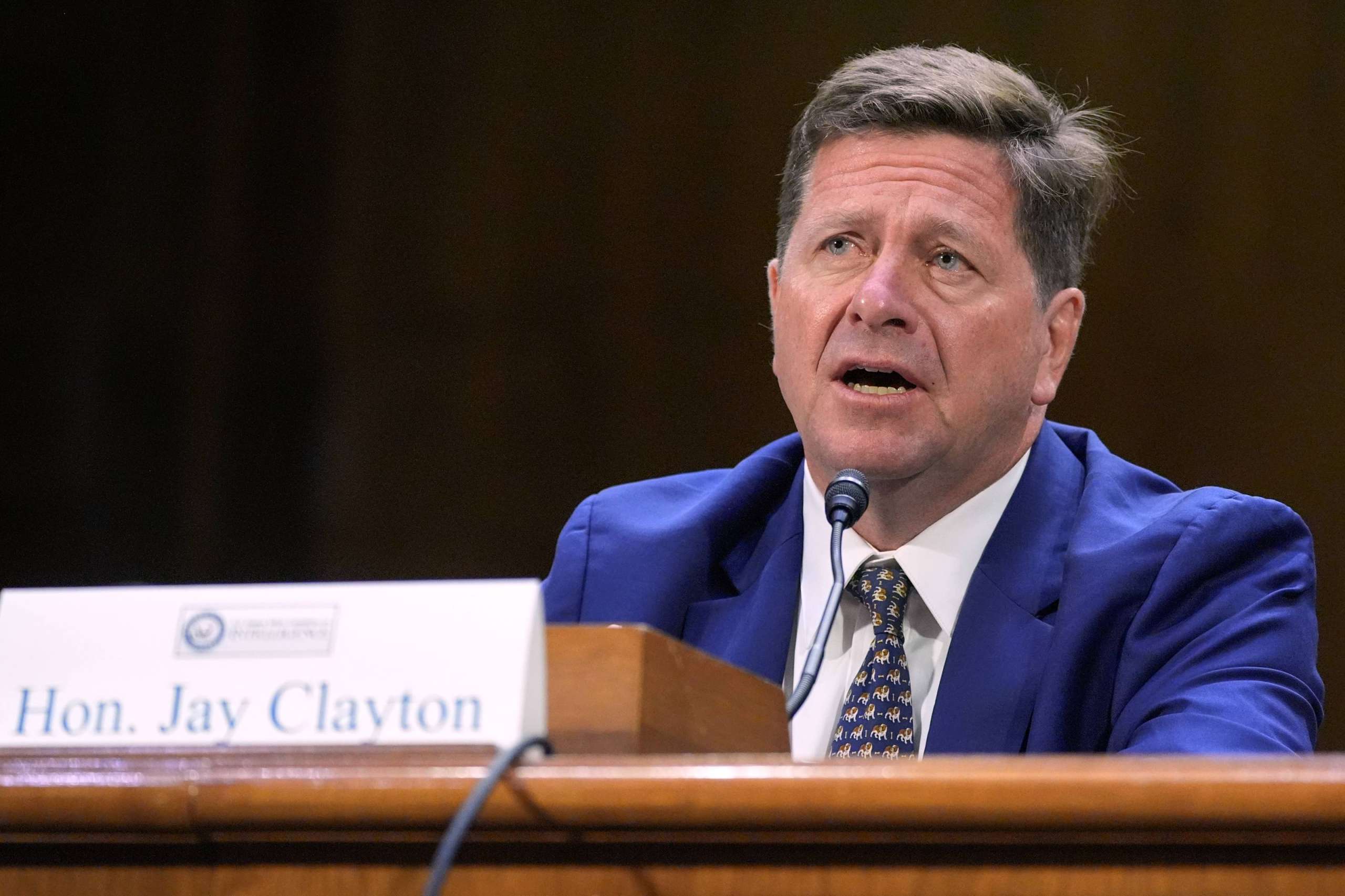
The newly confirmed DNI, who previously served as a U.S. attorney and as chairman of a major financial regulatory agency, has described the role as analogous to a “board of directors”—a focal point for the other intelligence agencies that provides oversight and resolves conflicts. He has signaled that the office should pull back from operational activities and focus on its coordination and oversight responsibilities, noting that it is difficult to serve as both an operator and a supervisor simultaneously.
The former DNI who preceded him argued that the current system ensures the president is informed when there are meaningful differences of opinion within the intelligence community—a capability that was far more limited before the DNI role existed.
## What Lies Ahead
The path forward for reform remains uncertain. The House Intelligence Committee has advanced a set of proposals, but Senate lawmakers have not yet put forward their own recommendations for strengthening the DNI role. National security advocates are calling for Congress to conduct more rigorous oversight of the intelligence community’s capabilities and to ensure that long-term investments in coordination and integration are not eroded by short-sighted personnel decisions.
Regardless of where legislative reforms land, the central question endures: can the intelligence community function as a truly unified enterprise capable of addressing threats that do not align neatly with any single agency’s jurisdiction or authority? The answer to that question will have profound implications for national security in the decades to come.
## Frequently Asked Questions (FAQ)
**What does the Director of National Intelligence do?**
The DNI serves as the president’s principal intelligence advisor and is responsible for overseeing and coordinating the activities of all U.S. intelligence agencies. The role involves integrating intelligence analysis, managing cross-agency operations, and ensuring that the intelligence community acts in a unified manner to address national security threats.
**Why was the DNI position created?**
The position was established by Congress in direct response to the findings of the 9/11 Commission, which determined that failures in information sharing between the FBI and the CIA contributed to the success of the terrorist attacks. The DNI role was designed to prevent such silos from forming again.
**How many intelligence agencies does the DNI oversee?**
The DNI is responsible for coordinating the efforts of 18 distinct U.S. intelligence agencies, ranging from the CIA and NSA to smaller specialized offices within the Department of Defense and other federal agencies.
**What are the main criticisms of the ODNI?**
Critics have pointed to the office’s significant growth over the years, arguing that it has become too large and has taken on too many responsibilities beyond its core mission of integration and oversight. Others have raised concerns that the office has struggled to assert real authority over agencies like the CIA and the Department of Defense’s intelligence components.
**What workforce changes have occurred recently?**
The intelligence office has undergone substantial reductions in staffing, with reports indicating that the workforce has been cut to less than half its size at the start of the current administration. Former and acting leadership have publicly championed these reductions, though critics argue they were implemented without a corresponding plan to improve the office’s effectiveness.
**What reforms are being proposed?**
The House Intelligence Committee has recommended giving the DNI greater budget authority across the intelligence community, strengthening oversight and integration functions, and ensuring that reforms are targeted rather than bureaucratic. Senate lawmakers have not yet released their own reform proposals.
**Is the DNI the same as the head of the CIA?**
No. When the DNI position was created, it assumed the responsibility of serving as the president’s top intelligence advisor and coordinating the broader intelligence community, roles that had previously been held by the CIA director. However, the CIA director continues to lead the Central Intelligence Agency specifically, and tensions between the two roles have been a recurring feature of the intelligence landscape.
## Conclusion
The Director of National Intelligence occupies a uniquely difficult position at the intersection of oversight, coordination, and advisory responsibility. Twenty-five years after its creation, the office finds itself at a crossroads—facing both bipartisan calls for strengthening its integration role and significant challenges posed by workforce reductions and shifting political priorities. The decisions made in the coming months and years about the scope, size, and authority of the DNI will shape not only the intelligence community’s internal dynamics but also the nation’s capacity to anticipate and respond to the threats of tomorrow. Investing in coordination, preserving institutional expertise, and ensuring that the intelligence community can operate as a truly unified enterprise remain essential obligations for policymakers committed to the nation’s security.
Thank you for reading
