



Based on the detailed information from the original article, here is a newly written piece that summarizes and analyzes the current landscape of blood pressure smartwatches.
***
## The State of Blood Pressure Smartwatches in 2026: A Comprehensive Guide
Monitoring cardiovascular health has never been more critical, with the World Heart Federation estimating that 1.3 billion people worldwide live with high blood pressure (hypertension)—the number one risk factor for death globally. In the United States alone, nearly half of all adults have hypertension, many of whom remain undiagnosed.
While traditional cuff monitors remain the gold standard for accuracy, the market for smartwatches capable of tracking blood pressure has evolved significantly. Recent software updates have brought this life-saving functionality to the wrists of millions. Here is a breakdown of the best options available today, how they work, and who they are for.
### How Blood Pressure Watches Work
It is essential to understand that most “blood pressure watches” do not measure blood pressure in the same way a medical cuff does. Instead, they often rely on **Pulse Wave Analysis**, which estimates blood pressure by analyzing the timing and shape of the pulse wave as it travels through the wrist.
A few devices, however, utilize an **inflatable cuff mechanism** similar to traditional monitors, generally requiring the user to calibrate the watch against a standard arm cuff periodically.
### Top Contenders in 2026
#### 1. The Best Overall: Samsung Galaxy Watch 8 / Ultra
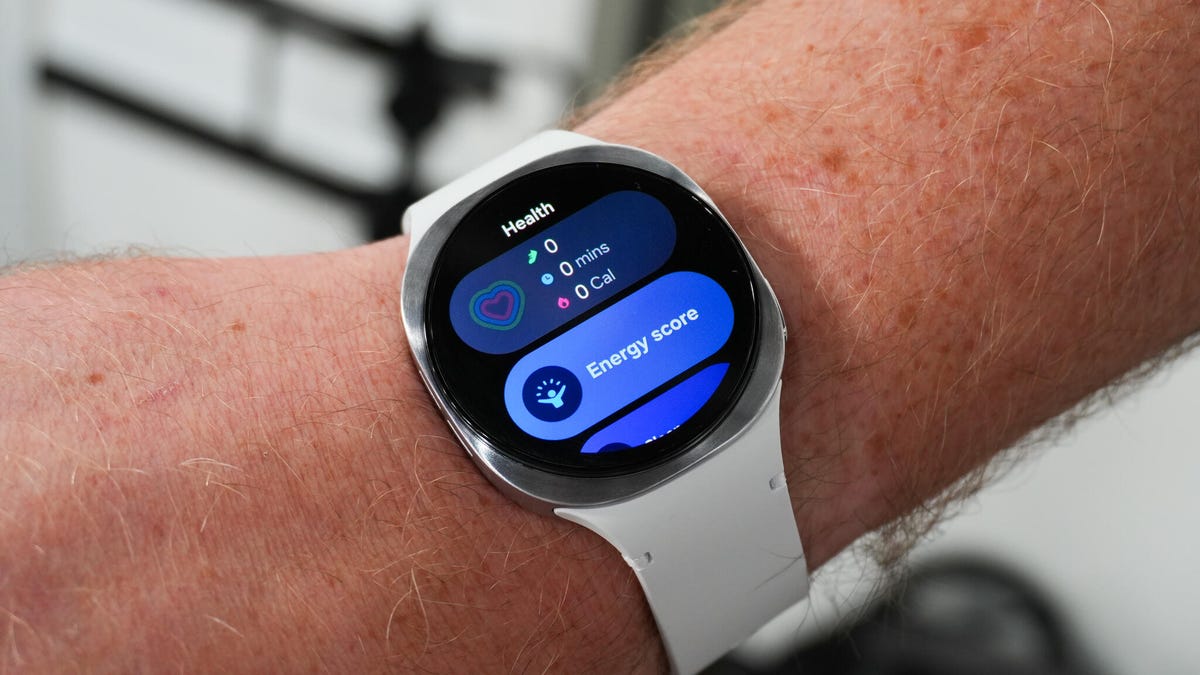
For Android users, Samsung currently leads the market. The Galaxy Watch 8 and the premium Galaxy Watch Ultra offer blood pressure monitoring through the Samsung Health Monitor app. Unlike smartwatches that require purchasing an add-on cuff, Samsung uses **Pulse Wave Analysis**. However, unlike the Apple Watch, Samsung does not require a separate baseline reading; once calibrated once with a standard cuff, the watch provides ongoing trend data.
*Note: This feature is not FDA-approved as a medical device but is intended for wellness and trend tracking.*
**Galaxy Watch Ultra Highlights:**
* **Design:** A unique square case with a rotating bezel, designed for durability and an outdoor aesthetic.
* **Battery:** Up to three days on a single charge.
* **Use Case:** Ideal for users who want a rugged, full-featured Wear OS smartwatch that doubles as a health tracker.
**Galaxy Watch 8 Highlights:**
* **Design:** A sleek, international favorite available in two sizes (40mm and 44mm).
* **Battery:** Up to 40 hours.
* **Use Case:** Great for those who want the latest health features integrated into a stylish, everyday wearable.
#### 2. The Best Medical-Grade Option: YHE BP Doctor Fit
Priced at just $129, the YHE BP Doctor Fit offers the highest level of accuracy in this review due to its physical **inflatable air cuff**. This watch is a full-featured smartwatch that runs on Android and iOS, offering 24/7 heart rate monitoring, sleep tracking, and fitness tracking.
*Ideal for users who prioritize accuracy and need a device that functions independently of a smartphone ecosystem.*
#### 3. The Best for iPhone Users: Apple Watch Series 11 (with WatchOS 26)
Apple’s latest software update, **WatchOS 26**, introduced **Hypertension Detection**. This feature does not give you a direct blood pressure reading but instead uses on-watch algorithms to analyze pulse wave data and notify you if you show signs of hypertension.
*Crucially, this feature requires the user to manually log readings with a standard cuff initially. It is designed as a preventative tool to encourage users to seek professional medical advice.*
**Important Caveat:** Earlier this year, a US federal judge ruled that Apple cannot sell the blood oxygen sensor found in the Series 10 and Ultra 2 due to a patent dispute. Consequently, the blood oxygen feature is currently unavailable on new US models, though blood pressure detection remains functional.
#### 4. The Longest Battery: Amazfit Balance 2
For users who want a week-plus of battery life without sacrificing health features, the Amazfit Balance 2 is a standout. It utilizes **Pulse Wave Analysis** and requires calibration with a standard blood pressure cuff. To enable the feature, users must set their watch region to **Brazil** during setup.
*Best for travelers and those who hate nightly charging—just be aware that US government agencies have not yet approved this specific model for blood pressure tracking in the United States.*
### Key Considerations Before You Buy
* **Calibration is Mandatory:** With the exception of the YHE BP Doctor Fit, almost all wrist-based blood pressure watches require you to own a standard arm cuff to calibrate the device initially and periodically thereafter.
* **Wellness vs. Diagnosis:** None of these devices are FDA-approved diagnostic tools. They are wellness trackers designed to identify trends and potential warning signs. If you are currently managing hypertension, you should still rely on traditional cuff monitors for your daily readings.
* **Comfort:** Since these watches are meant to be worn 24/7 for accurate data collection, comfort and fit are paramount. A watch that is too tight or too loose will yield inaccurate results.
### The Bottom Line
The smartwatch market is shifting from simple fitness trackers to proactive health guardians. While the technology is not yet perfect—wrist-based monitoring still generally lags behind the accuracy of upper-arm cuffs—devices like the Samsung Galaxy Watch and Apple Watch are making it easier than ever to stay on top of your heart health trends.
If you suspect you have hypertension or need medical-grade data, the YHE BP Doctor Fit remains the most reliable wrist-based option. For general wellness and trend tracking, the Samsung Galaxy Watch 8 or Apple Watch Series 11 represent the future of accessible health monitoring.
***
**Source:** Miller, Matthew. (2026, July). *Best Blood Pressure Watches of 2026*. ZDNET. Retrieved from https://www.zdnet.com/article/best-blood-pressure-watches/
