



Technological tides shaping the subsequent period of synthetic intelligence and quantum computing are more and more gathering drive in Asia. Singapore, Malaysia and Indonesia are residence to one of many world’s largest information centre clusters, projected to account for 40% of the worldwide information capability by 2030 – forming one of the crucial formidable backbones for next-generation AI infrastructures wherever on the earth.
On the identical time, synthetic intelligence funding throughout Asia-Pacific is transferring at extraordinary velocity. Regional AI spending is ready to succeed in US$78 billion by 2026 as per IDC, signalling a decisive shift by enterprises and governments in direction of deploying AI throughout vital financial sectors, from healthcare and monetary techniques to public providers.
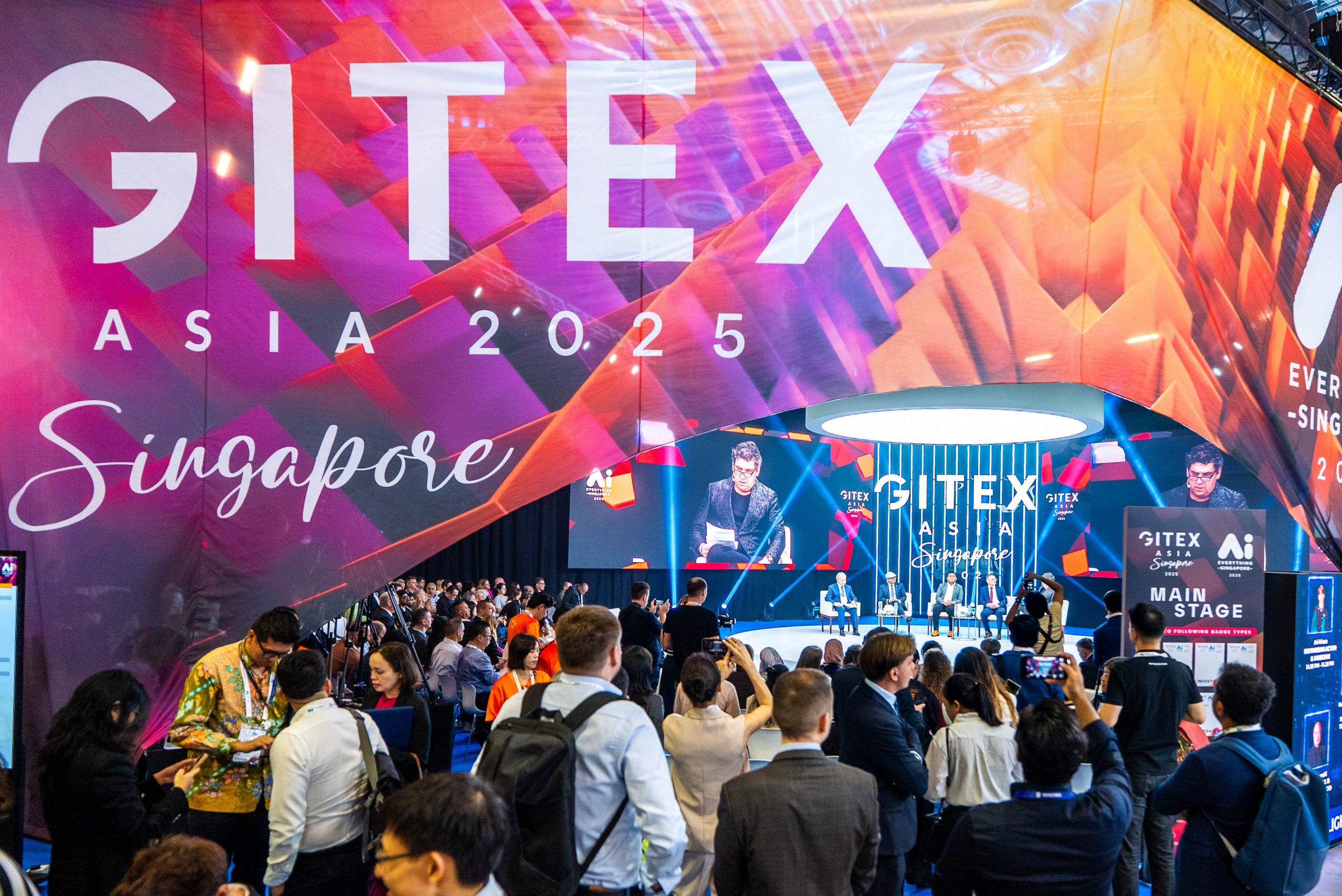
This convergence of capital, infrastructure and innovation reaches a defining second subsequent month as GITEX AI ASIA convenes international know-how leaders from over 110 nations at Marina Bay Sands, Singapore, from 9-10 April 2026. Offered by GITEX, one of many world’s largest tech and AI occasions community, GITEX AI ASIA brings collectively over 550 enterprises and startups, 250 international buyers managing US$350 billion in funds, and 175-plus audio system, reinforcing Singapore’s place as a high-impact gateway linking Asia’s advancing innovation ecosystems with international capital and markets.
From semiconductors to sovereign IP: Singapore’s computing edge in international highlight
Singapore has emerged as one of many world’s most strategic computing hubs – producing round 15% of the world’s semiconductors whereas internet hosting most of the world’s most superior AI analysis centres. The launch of a brand new quantum analysis and growth centre in March 2026 indicators a deeper ambition to speed up industrial quantum functions and strengthen the area’s rising base of mental property.
Reiterating the area’s technical depth and intelligence-led financial progress is a robust lineup of influential AI architects and stakeholders at GITEX AI ASIA. On stage, Kotaro Tamura, Japan’s former senator and vice minister for Fiscal & Financial Coverage, famend for spearheading Abenomics and tech-driven nationwide transformations, discusses how Asia can consolidate its AI management in a fragmented geo-economic period. Ken Lin, the CEO and co-founder of Aires Utilized Quantum Applied sciences – developer of Southeast Asia’s first Put up-Quantum Cryptography (PQC) patents – explores the vital steadiness between fast business deployment and long-term imperatives of belief, governance and resilience. Ken famous: “We have built proprietary deep tech in quantum that reaffirms Singapore’s burgeoning base of intellectual property (IP). GITEX AI ASIA is perfectly positioned to showcase the depth and maturity of this ecosystem to the world.”
On the present ground, Gorilla Expertise, a worldwide resolution supplier in Safety Intelligence, Community Intelligence, Enterprise Intelligence, IoT know-how and information centres, presents the foundational architectures required for cyber-resilient, data-driven city environments and AI infrastructure. Jay Chandan, the CEO and chairman of Gorilla Expertise, shared: “It’s crucial for nations to integrate their intelligent infrastructures, security frameworks and smart city platforms to sustain digital growth at scale. Global collaboration platforms like GITEX AI ASIA are pivotal in enabling this scalability.”
In the meantime, international telecoms chief Ericsson takes half to bolster its management in advancing AI, 5G and cloud options. Yasin Khan, the CTO of mission vital networks and enterprise at Ericsson Southeast Asia, Oceania and India, mentioned: “What distinguishes GITEX AI ASIA is its ability to bring together the entire innovation chain, from startups, enterprises and academia to technology partners, solution providers and policymakers, into a single environment where meaningful partnerships can strengthen connectivity in the demanding AI age.”
Underlining the worldwide presence, GITEX AI ASIA hosts a collection of nation pavilions, with Belgium, Canada and the Philippines making their debut alongside a large spectrum of world participation. Australia, China, Germany, Hong Kong, India, the Netherlands, Pakistan, Singapore, South Korea, UAE and Vietnam characteristic the perfect of nationwide innovation, reflecting the more and more aggressive and collaborative nature of the worldwide know-how panorama.
International buyers goal Asia’s deep-tech breakthroughs
As Asia’s AI capabilities develop, international buyers are more and more turning their consideration to the area’s deep-tech ecosystem. The GITEX AI ASIA investor programme hosts enterprise capital companies, company buyers and household places of work managing over US$350 billion in property, all looking for publicity to Asia’s fast-scaling economies and mental property pipeline.
Among the many collaborating buyers, QAI Ventures, the Switzerland-based enterprise capital agency, is eyeing unbelievable alternatives throughout Asia-Pacific. Alexandra Beckstein, the founder and normal companion, noticed: “Singapore’s Quantum and AI ecosystem is gaining serious momentum – fuelled by a forward-thinking government, top research, vast IP pool, and a bold entrepreneurial push from universities and innovation hubs. QAI Ventures is excited to announce that we will strengthen our APAC involvement with a focus on helping ideas turn into scalable startups.”
North Star Asia showcases startups redefining the AI frontier
The occasion may also host North Star Asia, the regional version of the world’s largest startup showcase, Develop North Star. Greater than 300 startups from 50-plus nations – together with 65 award-winning and 20-plus unicorns – current clever techniques spanning sectors from healthcare to manufacturing to mobility.
Among the many breakthroughs on present, UK-based Literal Labs showcases logic-based AI structure able to delivering high-performance outputs whereas utilizing 50 instances much less power, immediately addressing the escalating useful resource calls for of large-scale computing. China’s Timekettle unveils the world’s first bone-induction interpreter earbuds providing real-time multilingual translations, whereas Japan’s Lifescapes is propelling non-invasive Mind-Pc Interface rehabilitation for stroke restoration. Ashirase, a enterprise backed by Honda, introduces the world’s first shoe-mounted navigation system utilizing haptic vibrations to information visually impaired customers to their vacation spot.
For extra data, please go to gitexasia.com
Touch upon this text through X: @IoTNow_ and go to our homepage IoT Now
